Landscaping
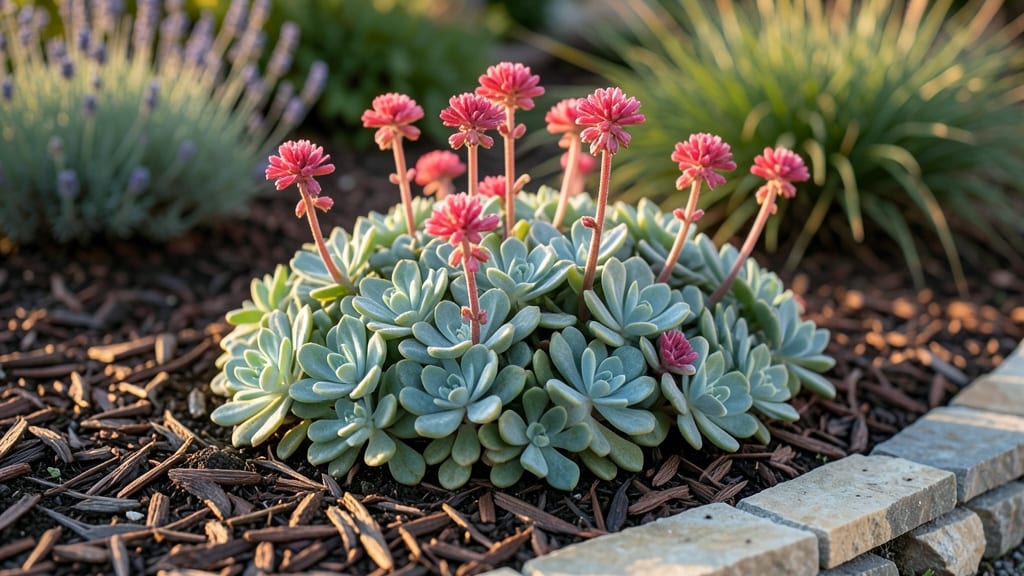
A sedum garden design transforms dry spots into lush, low-water showstoppers that thrive where other plants fail. 🌿 I turned my sunbaked backyard corner into a textured masterpiece using just a handful of varieties—no fancy irrigation, no fuss.
The key lies in their layered foliage, from trailing 'Angelina' to upright 'Autumn Joy,' creating visual interest even when blooms fade.
Start with a sunny, well-drained spot and group sedums by height—tall varieties at the back, cascading types at the front. Mix in 3-5 companion plants like lavender or Russian sage for contrast, and add gravel mulch to highlight their colors while keeping weeds at bay.
This combo works in modern courtyards or cottage gardens alike, with minimal upkeep once established.
What you'll end up with is a garden that stays vibrant green through droughts, bursts into pink and gold in fall, and provides winter structure when other plants retreat. The textures alone—velvety, waxy, feathery—make it a year-round star, even in harsh climates. Plus, pollinators adore the late-season blooms.
Works equally well in container arrangements or large-scale landscapes—just scale the spacing. Here's how to make your sedum garden the envy of the neighborhood without breaking a sweat (or your water bill).
📚 In This Guide
- What you need
- Instructions
- Tips and common mistakes
- Wrapping up and next steps
What you need
- ● Sedum Plants: 10–20 mature sedum plants (e.g., Sedum spectabile, Sedum ‘Autumn Joy’, or Sedum spurium)
- ○ Optional: 5–10 trailing varieties (e.g., Sedum morganianum) for cascading effects
- ● Soil & Amendments: 50 sq. ft. of well-draining potting mix or cactus/succulent soil
- ● 10 lbs. of coarse sand or perlite (for improving drainage)
- ○ Optional: 5 lbs. of compost (for nutrient boost)
- ● Hardscaping: Gravel or decomposed granite (2–3 bags, 50 lbs. each)
- ● Retaining walls or edging stones (if needed for elevation)
- ○ Optional: Terracotta pots or raised beds (for container gardens)
- ● Tools: Garden shovel or trowel
- ● Pruners (for trimming)
- ● Rake (for leveling soil)
- ● Wheelbarrow (for hauling materials)
- ○ Optional: String line and stakes (for layout planning)
- ● A sunny or partially sunny location (6+ hours of sunlight daily)
- ● Well-draining soil (or a plan to amend heavy clay)
- ● Access to water (for initial planting and establishment)
- ○ Optional: Mulch (e.g., gravel or bark chips) to suppress weeds and retain moisture
Step-by-Step instructions for designing a Sedum garden
Here's how to create a stunning drought-resistant sedum garden that thrives with minimal effort.
🌱 Step 1: Select and Prepare Your Planting Site
Sedums thrive in full sun, so choose a location that receives at least 6 hours of direct sunlight daily. They tolerate poor, rocky, or sandy soils, but well-draining soil is critical—avoid low spots where water pools. If your soil is heavy clay, amend it with 3-4 inches of coarse sand or gravel mixed into the top 12 inches of soil to improve drainage.
Clear the area of weeds and debris, then loosen the soil with a garden fork to a depth of 8-10 inches. This aeration encourages root growth and prevents waterlogging. If planting in containers, ensure each has drainage holes and use a cactus/succulent mix for optimal results.
🪴 Step 2: Choose and Arrange Your Sedum Varieties
Select sedums with varying heights, colors, and textures to create visual interest. For a 4-foot-by-4-foot garden, I recommend 4-6 plants of each variety to ensure full coverage. Start with ground-hugging types like Sedum spurium (coral carpet) for the front, then add mid-height varieties like Sedum 'Autumn Joy' (3 feet tall), and finish with taller specimens like Sedum 'Matrona' (4 feet) at the back.
Space plants 12-18 inches apart, depending on their mature size. Group plants with similar water needs together—drought-tolerant sedums like Sedum album can handle dry conditions, while others like Sedum 'Dragon's Blood' prefer slightly more moisture. Arrange in odd-numbered clusters (3, 5, or 7 plants) for a natural, balanced look.
☀️ Step 3: Plant and Establish Your Sedum Garden
Dig holes twice as wide as the root ball but no deeper. Gently remove plants from their containers and loosen any circling roots with your fingers. Place each plant in its hole, ensuring the top of the root ball sits level with the surrounding soil—burying too deep can cause rot. Fill the hole with soil, pressing lightly to eliminate air pockets.
Water deeply right after planting to settle the soil and encourage root contact. Use 1-2 gallons of water per plant to ensure moisture reaches the roots without oversaturating. Mulch with 2-3 inches of gravel or coarse bark to suppress weeds, retain moisture, and add texture. Avoid organic mulch like wood chips, as it can retain too much moisture around succulent roots.
✂️ Step 4: Maintain for Year-Round Beauty and Health
Sedums are low-maintenance, but a few key practices keep them thriving. Water deeply but infrequently—once every 2-3 weeks in summer, and only when the soil feels bone-dry 2 inches below the surface. Overwatering is the fastest way to kill sedums, so resist the urge to water unless the leaves appear wrinkled or shriveled.
Deadhead spent blooms in late fall to encourage tidy growth and prevent self-seeding if you don’t want volunteers popping up elsewhere. In early spring, trim back any leggy or overgrown stems to half their height to promote bushier growth. Fertilize lightly in spring with a balanced, slow-release fertilizer (5-10-5 ratio) to support new growth without encouraging excessive softness.
🌿 Step 5: Extend the Season with Strategic Plant Pairings
To ensure year-round texture and color, pair sedums with complementary plants. In spring, add bulbs like daffodils or grape hyacinths for early blooms, then transition to ornamental grasses like Carex or Miscanthus for summer height and movement. In fall, interplant evergreen shrubs like Juniperus or Dwarf Boxwood to provide structure when sedums turn dormant.
Use evergreen sedums like Sedum 'Angelina' for winter interest, as their golden foliage stays vibrant even in cold snaps. Group plants with contrasting foliage colors—deep purple Sedum 'Dragon's Blood' next to silver-blue Sedum 'Blue Spruce'—to create a striking, low-maintenance palette that evolves with the seasons.
Tips & tricks for perfect Sedum garden design
A few strategic moves will transform your sedum garden from merely functional to absolutely stunning. Here's what I've learned after designing and maintaining these drought-resistant beauties for years.
Soil Preparation is Non-Negotiable: The 6 hours of sunlight requirement is critical, but soil drainage is where most gardens fail. In Step 1, when amending heavy clay with 3-4 inches of coarse sand, don't just scratch it in—mix it thoroughly into the top 12 inches. I've seen sedums thrive in poor soil when properly amended, but they'll rot if drainage remains compromised. For containers, double-check those drainage holes—they should be large enough to allow water to escape freely, not just trickle.
Plant Placement Creates Drama: In Step 2, that 4-foot-by-4-foot guideline works perfectly, but the real magic happens in how you arrange your varieties. Place your tallest sedums like Sedum 'Matrona' at the back, but don't just line them up—stagger them slightly to create visual interest. The 12-18 inch spacing recommendation is ideal, but for a more natural look, vary the spacing between plants by 2-3 inches. This irregularity prevents that "planted" look while maintaining full coverage.
Watering Wisdom Saves Lives: That 2-3 week summer watering schedule seems generous, but here's the secret: when you do water, go deep. Use a long-handled watering can or soaker hose to deliver that 1-2 gallons per plant directly to the root zone. The key is getting moisture down to those 2 inches below the surface—surface watering just encourages shallow roots. I've seen sedums survive weeks without water when planted correctly, but they'll die quickly if you water lightly and frequently.
Mulching Makes All the Difference: The 2-3 inches of gravel or coarse bark mulch in Step 3 isn't just decorative—it's functional. This mulch layer suppresses weeds while allowing excess water to evaporate, preventing soggy roots. The critical detail is keeping it 2-3 inches thick but not piling it against plant stems. I've seen gardeners accidentally smother their sedums by creating mulch volcanoes around the base.
Pro Tips for Sedum Garden Design
- A few strategic moves will transform your sedum garden from merely functional to absolutely stunning.
- Soil Preparation is Non-Negotiable: The 6 hours of sunlight requirement is critical, but soil drainage is where most gardens fail.
- Plant Placement Creates Drama: In Step 2, that 4-foot-by-4-foot guideline works perfectly, but the real magic happens in how you arrange your varieties.
Frequently asked questions
Got questions about creating a stunning sedum garden design? You’re not alone! Here are some of the most common queries—and their practical answers—to help you plan with confidence.
How much sunlight does a sedum garden actually need?
Most sedums thrive in full sun (6+ hours daily), but some varieties tolerate partial shade (3–6 hours). Check your plant tags—succulents like ‘Autumn Joy’ love sun, while ‘Dragon’s Blood’ adapts to shadier spots. Pro tip: If your garden is shady, opt for Sedum morganianum (burro’s tail) or Sedum album.
When is the best time to plant sedum?
Plant sedum in early spring or early fall when temperatures are mild (50–70°F). Avoid extreme heat or frost—roots need time to establish before stress. Bonus: Container-grown sedums can be planted year-round in frost-free zones.
Do sedums really need zero watering once established?
Once rooted (after 1–2 years), sedums are drought-tolerant, but they still need occasional watering during prolonged dry spells (every 2–4 weeks). New plants need regular watering (every 1–2 weeks) until established. Watch for: Wrinkled leaves = thirsty plant!
Can I mix sedum with other drought-resistant plants?
Pair sedums with lavender, Russian sage, yarrow, or ornamental grasses for texture and color. For contrast, add silver foliage plants like lamb’s ear or blue fescue. Design tip: Group plants by water needs—sedums hate soggy roots!
What pests or diseases should I watch for in a sedum garden?
Sedums are low-maintenance, but keep an eye out for aphids, mealybugs, or vine weevils. Overwatering can cause root rot or fungal issues. Fix it: Spray pests off with water or use neem oil. Ensure well-draining soil to prevent rot.
Wrapping up and next steps
A sedum garden design isn’t just about drought-resistant plants—it’s a stunning, low-maintenance masterpiece that thrives year-round with texture, color, and resilience.
Whether you’re drawn to the bold hues of Sedum ‘Autumn Joy’ or the delicate charm of trailing varieties, this approachable style proves beauty and sustainability go hand in hand. 🌿
Ready to transform your space? Start small—sketch a layout, gather a few hardy sedums, and let nature do the rest. With minimal effort, you’ll enjoy a garden that’s as rewarding to behold as it is easy to care for. Your next step? Grab some plants and get growing! ✨