Shrubs
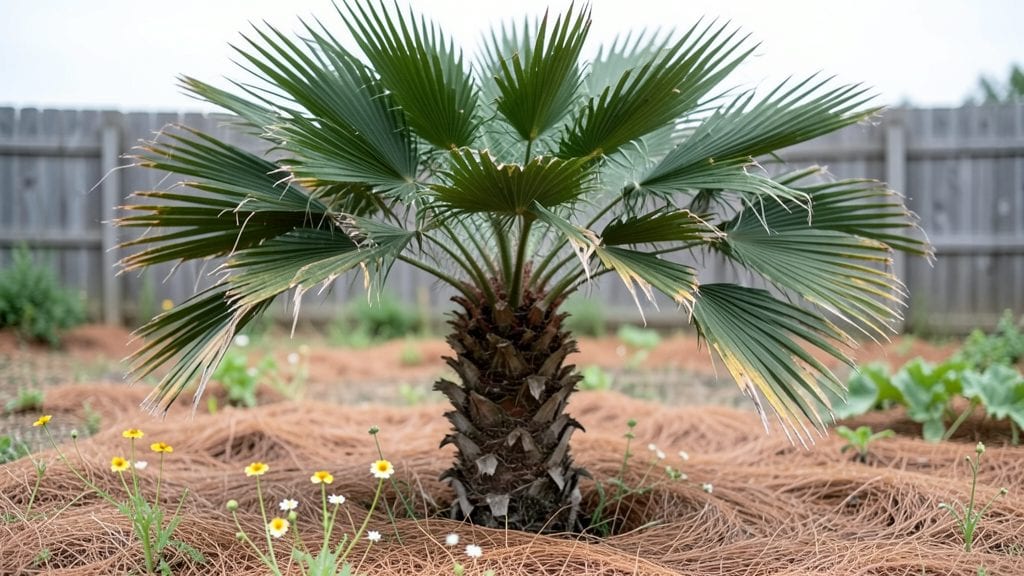
South Florida gardening isn’t for the faint of heart—it’s a battle against humidity, pests, and the occasional hurricane. 🌿 I’ve learned that the key isn’t fighting the climate but working with it, choosing plants that laugh at 90-degree afternoons and still bloom like crazy.
The right blooms here don’t just survive—they thrive, turning your yard into a vibrant escape from the heat.
Think tropical but tough: hibiscus that shrugs off aphids, firebush that attracts hummingbirds year-round, and bougainvillea that blooms even after a storm. These aren’t just pretty faces—they’re battle-tested survivors. You’ll need well-draining soil, mulch to lock in moisture, and a watering schedule that mimics Florida’s unpredictable rains.
The payoff? A garden that stays lush when your neighbors’ plants wilt.
By summer’s end, you’ll have a yard that’s not just green but alive—with flowers that smell like sunshine and foliage that glistens even in the driest stretch. The best part? These plants need less fuss than your average lawn. We’re talking drought-tolerant, hurricane-resistant, and pest-proof (or nearly so).
Local resources like UF/IFAS Extension can help you pick the perfect varieties for your microclimate, whether you’re in Miami’s heat island or the slightly cooler Keys. Here’s how to make it work without breaking a sweat—or your budget.
📚 In This Guide
- What you need
- Instructions
- Tips and common mistakes
- Wrapping up and next steps
What you need
- ● Heat-tolerant shrubs: Choose from Lantana, Firebush (Hamelia patens), Plumbago, or Mexican Petunia (3–5 plants per section for full coverage).
- ● High-quality potting mix: 10–15 gallons (look for well-draining, organic blend with perlite or sand for South Florida’s sandy soil).
- ● Mulch: 2–3 cubic feet of pine bark or cypress mulch (retains moisture and regulates soil temp).
- ● Fertilizer: Slow-release balanced fertilizer (10-10-10 or 8-3-9) or organic compost (1–2 lbs per plant).
- ● Drip irrigation system or soaker hoses: Essential for consistent watering (avoid overhead sprinklers to prevent fungal issues).
- ● Pruning shears: Sharp, bypass-style shears (for shaping and deadheading).
- ● Garden gloves: Heavy-duty nitrile-coated gloves (protects against thorns and sun exposure).
- ○ Stakes or plant supports: Optional for taller shrubs (e.g., Firebush) to prevent flopping in humidity.
- ● Soil amendments: Gypsum or lime (if your soil is acidic or compacted).
- ● Shade cloth: 30% coverage for newly planted shrubs during extreme heat (temporarily).
- ● Pest control: Neem oil or insecticidal soap (for aphids or whiteflies).
- ● Decorative rocks: Pea gravel or river rocks (for a polished, low-maintenance look).
Instructions for planting heat-tolerant blooms in South Florida
Here’s how to create a vibrant, low-maintenance garden that handles humidity and heat without fuss.
🌱 Step 1: Choose the Right Plants for Your Climate
South Florida’s year-round growing season means you can grow blooms like plumbago, bougainvillea, or firebush, all of which thrive in full sun and 90°F+ temperatures. Avoid delicate annuals—they’ll wilt in this heat. I always pick plants labeled "tropical" or "heat-tolerant" at local nurseries.
Check the USDA Hardiness Zone 10-11 tags on plants to confirm they’ll survive Florida’s humidity. If a plant says "drought-tolerant," it’s a bonus—you’ll water less. Plant in well-draining soil (South Florida’s clay-heavy soil needs amending with compost or sand).
☀️ Step 2: Plant in Well-Draining Soil with Full Sun Exposure
Dig holes twice as wide as the plant’s root ball but only as deep as the container it came in. This prevents root rot from sitting water. If your soil feels compacted, mix in 3 gallons of compost per 4-square-foot area to improve drainage.
Place plants 12-18 inches apart (check the tag for spacing). Too close, and they’ll compete for water; too far, and gaps will look sparse. Water deeply right after planting to settle the roots. You’ll know it’s done when the soil around the base looks slightly damp but not soggy.
💧 Step 3: Water Deeply but Infrequently
South Florida’s heat means watering deeply 2-3 times per week (more in summer, less in rainy season). The key is soaking the root zone—about 6 inches down—until water runs out the drainage holes. Shallow watering encourages weak roots.
Water in the early morning to reduce evaporation and fungal risks. You’ll see wilting leaves if it’s too dry or yellowing if overwatered. Mulch with 2-3 inches of shredded bark to retain moisture and keep roots cool.
✂️ Step 4: Prune and Deadhead Regularly
Trim back overgrown stems in late winter or early spring to encourage new, bushier growth. Use clean, sharp shears and cut just above a leaf node. For blooming plants like hibiscus or lantana, pinch off spent flowers to redirect energy into more blooms.
Watch for pests like aphids or whiteflies—common in Florida’s heat. Spray with neem oil (mix 1 tablespoon per gallon of water) if you spot sticky residue on leaves. Pruning also improves airflow, which prevents fungal diseases.
🪴 Step 5: Fertilize Lightly During Growing Season
Use a balanced, slow-release fertilizer (like 10-10-10) every 2-3 months in spring and summer. Too much nitrogen burns roots in this heat. Follow the package rates—overdoing it leads to leafy growth with no flowers.
In fall and winter, cut back to half the dose since growth slows. You’ll notice healthier foliage and more blooms with the right feeding schedule. Avoid fertilizing in drought conditions—plants won’t absorb nutrients properly.
Tips & tricks for perfect South Florida gardening
Here's what I've learned after years of growing vibrant gardens in South Florida's brutal heat—these tricks make all the difference.
Plant Selection Wisdom: When shopping for plants, look beyond just the pretty flowers. Check for USDA Zone 10-11 labels and specifically seek out plants labeled "tropical" or "heat-tolerant". I've learned the hard way that even beautiful plants like impatiens will melt in our 90°F+ summers. For extra resilience, choose drought-tolerant varieties—they'll handle our occasional dry spells with ease.
Soil Prep Strategy: South Florida's native soil is heavy clay that bakes hard in the sun. Before planting, mix 3 gallons of compost into every 4-square-foot area to improve drainage and aeration. I like to add a handful of sand too—just enough to break up the clay without overwhelming the compost. This simple step prevents root rot and keeps plants thriving during our intense rainy seasons.
Watering Technique: The early morning watering rule is non-negotiable in our climate. Water deeply enough to soak 6 inches down—you'll know it's right when water runs out drainage holes. I use a long-handled watering wand to reach the base of plants without wetting the leaves, which helps prevent fungal diseases. Mulching with 2-3 inches of shredded bark keeps moisture in and roots cool, cutting water needs by nearly 30%.
Pruning Timing: Don't wait until your plants look overgrown to prune. In late winter or early spring, give your plants a light trim to encourage bushier growth. I always use clean, sharp shears and cut just above a leaf node. For flowering plants like hibiscus, deadheading spent blooms redirects energy to new flowers—you'll see a noticeable increase in blooms within weeks.
Pro Tips for South Florida Gardening
- Here's what I've learned after years of growing vibrant gardens in South Florida's brutal heat—these tricks make all the difference.
- Plant Selection Wisdom: When shopping for plants, look beyond just the pretty flowers.
- Soil Prep Strategy: South Florida's native soil is heavy clay that bakes hard in the sun.
Frequently asked questions
Got questions about keeping your South Florida garden blooming hot and happy? We’ve got answers!
Here are some of the most common queries from local gardeners—plus expert tips to tackle them like a pro.
What are the best heat-tolerant shrubs for South Florida’s summer?
Look for native or adapted shrubs like Firebush (Hamelia patens), Jasmine (Jasminum officinale), or Lantana (Lantana camara). These thrive in 90°F+ temps, require minimal water, and attract pollinators. Pro tip: Mulch with 2–3 inches of organic matter to retain moisture and cool roots.
When is the best time to plant shrubs in South Florida?
Plant in early spring (March–April) or late summer (August–September) to avoid extreme heat or cold snaps. Avoid planting during peak summer (June–July) when roots struggle to establish. Pro tip: Water deeply 2–3 times a week for the first month to help roots settle in.
How often should I water heat-tolerant shrubs in South Florida?
Most drought-resistant shrubs need 1–1.5 inches of water per week, either from rain or irrigation. During dry spells (common in winter), water deeply every 7–10 days. Pro tip: Use drip irrigation or soaker hoses to deliver water directly to roots and reduce evaporation.
What pests should I watch for in South Florida shrubs?
Keep an eye out for scale insects, whiteflies, and mealybugs—common in humid climates. Neem oil or insecticidal soap (applied in early morning/evening) works well. Pro tip: Introduce ladybugs or parasitic wasps for natural pest control—many local nurseries sell them!
Can I grow vegetables or herbs alongside heat-tolerant shrubs?
Pair shrubs like Rosemary or Thyme (drought-resistant herbs) with Okra or Sweet Potatoes. Just ensure they get 6+ hours of sun and avoid overcrowding. Pro tip: Use companion planting—e.g., Basil near tomatoes—to deter pests naturally.
Wrapping up and next steps
South Florida’s year-round sunshine and humid charm don’t have to be a challenge for your garden—it’s an opportunity to grow vibrant, heat-loving shrubs that bring color and life to your landscape.
From the fire-resistant beauty of firebush to the fragrant elegance of gardenias, these blooms prove that thriving gardens are possible in even the hottest climates. With the right soil, watering routine, and a little TLC, you’ll create a stunning, low-maintenance oasis that keeps giving back.
Ready to transform your outdoor space?
Start small—pick one or two shrubs from this list, plant them with confidence, and watch your garden flourish under the Florida sun. Need help designing your layout? Check out our free garden planning guide to map out your dream shrubbery sanctuary today! 🌿✨