
Vegetables
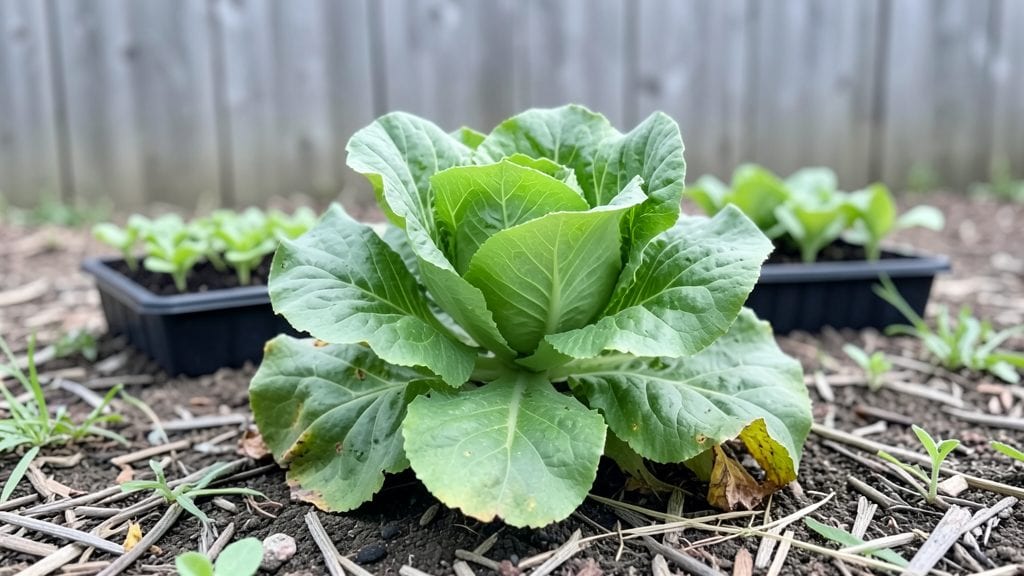
A starter vegetable garden can transform a blank patch into a bountiful harvest in weeks—here’s how I designed mine to prove it. 🌱 The key is picking fast-maturing plants like radishes, lettuce, and bush beans and arranging them. so they don’t compete for space or sunlight.
My 4’x8’ plot now produces enough greens for salads in just 30 days, and I didn’t need fancy tools or years of experience.
Start with a simple layout: place tall plants like peas or sunflowers along the north side to avoid shading smaller crops. Use raised beds or containers if your soil is poor or space is tight—both make weeding and watering easier.
I also grouped plants by water needs (leafy greens together, tomatoes with herbs) to cut down on daily chores. The whole setup cost me under $50 and took less than an hour to assemble.
By mid-summer, you’ll be harvesting crisp radishes, tender lettuce, and sweet peas straight from your plot. The best part? You’ll learn what works for your space and climate without the overwhelm of a full garden.
This method scales too—double the size next year if you love it. Let’s make that first harvest foolproof.
Works in apartments, backyards, or even a sunny windowsill with the right containers. The secret isn’t perfection—it’s starting small and celebrating the first bite you grow yourself. Ready to dig in?
📚 In This Guide
- What you need
- Instructions
- Tips and common mistakes
- Wrapping up and next steps
What you need
- ● Garden space: A container (at least 12" deep) or a 4’x4’ in-ground plot. Pro tip: 💡 Use raised beds or fabric grow bags for better drainage!
- ● Potting soil or garden soil: 1–2 bags (look for "organic" or "potting mix" labeled for vegetables).
- ● Seeds or seedlings: Fast-growing picks: Lettuce, radishes, green onions, bush beans, or cherry tomatoes (check seed packets for days to harvest!).
- ● Quantity: 3–5 seeds per hole (thin to strongest sprout) or 1–2 seedlings per container.
- ● Watering can or hose with spray nozzle: Aim for gentle watering to avoid disturbing soil.
- ○ Fertilizer (optional but helpful): A balanced, water-soluble fertilizer (e.g., 10-10-10) or compost. Follow package rates!
- ● Hand trowel: For digging small holes and planting.
- ○ Gloves (optional): Protect your hands from dirt and thorns (like tomatoes!).
- ● Measuring tape or ruler: To space plants 6–12" apart (check seed packet guidelines).
- ○ Mulch (optional): Straw or shredded leaves to retain moisture and suppress weeds.
- ● Sunlight: 6+ hours of direct sun daily (south-facing spots are ideal!).
- ● Water schedule: Keep soil moist (not soggy) but avoid overwatering.
- ● Patience: Fast-growing veggies like radishes sprout in 3–4 weeks, but consistency is key!
Step-by-step instructions for fast-growing starter vegetable gardens
Here’s the quick-start method I use to get first-time gardeners harvesting in just weeks.
🌱 Step 1: Pick Your 4 Fastest Edibles
Start with these four foolproof varieties: bush beans, radishes, lettuce, and green onions. All mature in 30-45 days, so you’ll see real results fast. Grab 1 packet each of seeds or young plants—seedlings speed things up even more. I always check seed packets for the "days to maturity" label; anything under 60 days qualifies as a starter crop.
Skip the fancy heirlooms for now. Opt for early-maturing hybrids like 'Early Girl' tomatoes (if you’re brave) or 'Cherry Belle' radishes. These are bred to handle cooler weather and still produce quickly. Plant them in full sun (at least 6 hours daily) or under a grow light if your space is shady.
🪴 Step 2: Prep Your Growing Space
Use 2-3 gallon containers or a 4’ x 8’ raised bed—both work perfectly for beginners. If using containers, drill drainage holes first (I use a ¼-inch drill bit). Fill with 2 bags of potting mix mixed with 1 cup compost—this gives roots room to stretch without getting waterlogged.
For in-ground beds, loosen the top 6 inches of soil with a fork. Remove rocks and weeds, then mix in 2 cups compost per square foot. Avoid garden soil alone—it’s too dense and slows growth. Water the bed until the soil is moist but not soggy (like a wrung-out sponge).
☀️ Step 3: Plant and Water for Speed
Sow bush beans and radishes directly into the soil, ½ inch deep and 1 inch apart. Lettuce and green onions can go in after the first true leaves appear on the beans/radishes (around 7-10 days). Space lettuce 6 inches apart and onions 2 inches apart. Water gently right after planting—1 gallon per square foot—to settle the soil.
Here’s the trick for fast growth: Keep the soil consistently moist (not wet). Stick your finger 1 inch deep—if it feels dry, water again. Mulch with 1 inch of straw to lock in moisture and block weeds. I water in the early morning so leaves dry quickly, preventing fungal issues.
⏰ Step 4: Watch and Harvest in Weeks
Radishes are your first win—they’re ready in 21-30 days. You’ll know when to pull them by their size (1 inch in diameter) and the way they start to push up from the soil. Harvest lettuce when leaves reach 3-4 inches tall, cutting the outer leaves first to encourage regrowth.
Green onions are done when their green tops hit 6-8 inches. Pull the whole plant or just snip the greens—either way, they’ll keep producing if you leave the bulb in the ground. Bush beans mature when pods are firm and plump (usually 45-50 days). Harvest them every 2-3 days to keep the plant producing.
💧 Step 5: Extend the Season (Optional)
If your growing season is short, cover crops with a cold frame or row cover to push harvests later. I use floating row covers (like a lightweight blanket) to protect lettuce from frost. Remove them during the day for sunlight, then drape them back at night. This adds 2-3 extra weeks of growing time.
Don’t let the bed go empty after harvest. Plant fast-growing cover crops like clover or winter rye to protect the soil until next season. Or, simply replant with another round of radishes or lettuce—you’ll be amazed how quickly you can cycle crops in small spaces.
Tips & tricks for perfect starter vegetable gardens
Here's how to turn your first garden into a fast-growing success without the guesswork.
Speed Up Germination: For bush beans and radishes (your quickest crops), soak seeds overnight in warm water before planting. This cuts germination time in half—you'll see sprouts in just 3-5 days instead of 7-10. Just drain well before planting so they don't rot. I also sprinkle a pinch of compost on top after planting to give those tiny roots a nutrient boost right away.
Container Hack: If using 2-3 gallon containers, place them on casters or wheels for easy rotation. Move them to follow the sun throughout the day—this gives your plants 6+ hours of light even in shady spots. I rotate mine every 2 hours during peak sunlight for maximum growth. For in-ground beds, mark the sunniest spot with a stake so you can adjust plants as needed.
Harvest Strategy: Radishes are ready in 21-30 days, but don't wait until day 30! Pull them when they reach 1 inch in diameter—they get woody and pithy after that. For bush beans, harvest every 2-3 days starting at day 45. This keeps the plant producing longer and prevents pods from getting tough. I set a timer reminder on my phone for harvest days so I never miss the window.
Season Extension: That optional cold frame or row cover adds 2-3 extra weeks of growing time, but here's the pro move: use it to start seeds 2-3 weeks earlier in spring. The gentle warmth speeds up germination while protecting tender seedlings from late frosts. I've gotten lettuce started in March this way when regular planting would fail.
Pro Tips for Starter Vegetable Gardens
- Here's how to turn your first garden into a fast-growing success without the guesswork.
- Speed Up Germination: For bush beans and radishes (your quickest crops), soak seeds overnight in warm water before planting.
- Container Hack: If using 2-3 gallon containers, place them on casters or wheels for easy rotation.
Frequently asked questions
Got questions about diving into your first starter vegetable garden? You’re not alone! Here are answers to the most common queries to help you grow with confidence.
What are the easiest vegetables to grow for beginners?
Start with fast-growing, low-maintenance veggies like radishes (ready in 3-4 weeks!), leafy greens (spinach, lettuce), bush beans, cherry tomatoes, and zucchini. These thrive in small spaces and forgive occasional neglect. Pro tip: Check seed packets for "days to harvest" to plan your timeline.
When is the best time to plant a starter vegetable garden?
Timing depends on your climate! In cooler regions, sow cool-season crops (like peas or kale) in early spring or fall. Warm-season veggies (tomatoes, peppers) need to wait until soil is at least 60°F (use a soil thermometer!). Follow the last frost date in your area—most starter gardens plant 2-4 weeks before it.
Can I grow a vegetable garden in containers or small spaces?
Containers work great for herbs, lettuce, radishes, and dwarf tomatoes. Use pots at least 6-12 inches deep (deeper for root veggies like carrots). Add well-draining soil and place containers in 6+ hours of sunlight daily. Balconies, patios, and even windowsills can host a thriving mini-garden!
How do I keep pests away from my starter vegetable garden?
Prevention is key! Start with healthy soil (compost helps!) and handpick pests early. Use row covers for cabbage worms or neem oil for aphids. Plant marigolds or basil nearby—they repel pests naturally. Avoid chemical sprays; they can harm your plants and pollinators.
What do I do if my seedlings aren’t growing?
Don’t panic! Check for sunlight (are they getting enough?), water (soil should stay moist but not soggy), and crowding (thin seedlings if needed). Yellow leaves? Could be overwatering or nutrient deficiency. Try transplanting to fresh soil or fertilizing lightly. If mold appears, improve airflow and avoid wetting leaves.
Wrapping up and next steps
Starting a vegetable garden is easier—and more rewarding—than you think! With the right fast-growing edibles, you’ll enjoy fresh, homegrown produce in weeks, not months. Whether you’re working with a tiny balcony plot or a backyard patch, these starter veggies build confidence and excitement for gardening.
Ready to take the next step? Pick your favorite plants, grab your tools, and get growing! 🌱 Start small, track your progress, and soon you’ll be sharing your harvest with pride. Happy planting!