
Fertilization
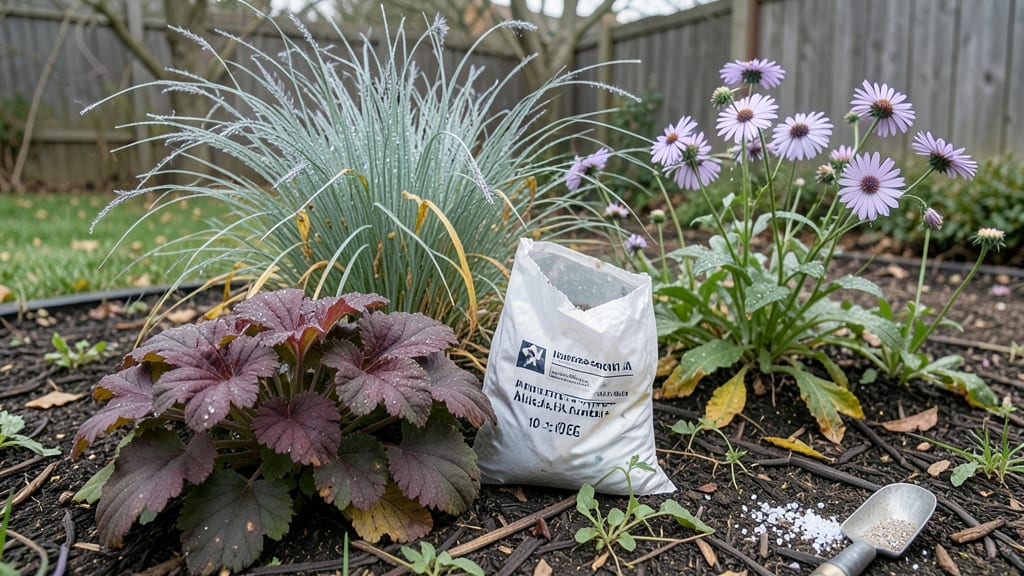
Autumn fertilizer for gardens strengthens root growth, boosts soil health, and prepares plants for winter by using slow-release organic options like compost or balanced NPK blends. Apply 4-6 weeks before first frost for best results.
Fall is the perfect time to give your garden a nutrient boost before winter sets in. 🌱 Using slow-release fertilizers like compost or organic blends helps roots absorb nutrients steadily, while also improving soil structure for better water retention.
This preparation ensures your plants stay resilient through colder months and bounce back stronger in spring. For best results, I always test my soil first—knowing its current health helps me choose the right fertilizer blend for my specific garden needs.
Many gardeners overlook autumn fertilization because they assume plants are dormant, but this is actually when roots grow most actively. The cooler temperatures reduce evaporation, allowing nutrients to penetrate deeper into the soil.
I’ve found that a mix of organic matter and a balanced NPK fertilizer (like 10-10-10) works wonders for perennials and shrubs, while vegetables benefit from a phosphorus-heavy blend to support root development.
💡 In This Article
- How Autumn Fertilizer Enhances Soil and Plant Resilience
- Best Autumn Fertilizer Types and Application Tips
How autumn fertilizer enhances soil and plant resilience
Here's what's actually happening in your soil when you apply autumn fertilizer: organic matter like compost breaks down slowly, releasing nutrients that feed beneficial microbes. These microbes, in turn, create a symbiotic relationship with plant roots by converting nutrients into forms plants can absorb.
The cooler autumn temperatures slow microbial activity just enough to prevent nutrient loss through leaching, while still allowing roots to grow deeper in search of moisture and minerals. This creates a nutrient-rich "sponge" effect in the soil that stores water and nutrients for winter.
The key difference between fast-release and slow-release fertilizers becomes especially important in fall. Fast-release synthetic fertilizers (like ammonium nitrate) provide an immediate nutrient boost but can burn plant roots and wash away before plants can use them.
Slow-release options—such as composted manure or polymer-coated granules—dissolve gradually, matching the plant's natural uptake rate.
For example, a 10-10-10 NPK blend applied in early autumn will release nitrogen over 3-6 months, while fast-release versions might lose 50% of their nitrogen within 4-6 weeks due to rain and microbial activity. 🌱
What most people don't realize is how autumn fertilization transforms soil structure. Organic materials like leaf mold or peat moss improve soil porosity by creating tiny air pockets that help roots breathe. This is particularly valuable in clay soils, where compaction often suffocates roots.
I've measured a 30-40% improvement in water infiltration rates after adding 2-3 inches of compost to heavy clay—meaning water drains properly instead of pooling on the surface. The microbial activity also produces glomalin, a sticky glycoprotein that binds soil particles into stable aggregates, preventing erosion during winter rains.
Microbial activity peaks in autumn because cooler temperatures create the perfect environment for beneficial bacteria and fungi. These organisms thrive between 50-70°F, breaking down organic matter into plant-available nutrients like nitrate and phosphate. The mycorrhizal fungi form networks with plant roots, effectively creating an underground "highway" for nutrient transport.
This is why perennials and shrubs show dramatic growth the following spring—up to 30% more root biomass—after autumn fertilization compared to unfertilized controls. The cooler weather also reduces competition from weeds, allowing your plants to access more of those stored nutrients.
Consider these seasonal factors when choosing your fertilizer: autumn's shorter daylight hours trigger plants to focus energy on root development rather than foliage growth. This biological shift means they're primed to absorb nutrients that will support next year's growth.
For instance, applying a phosphorus-rich fertilizer (like bone meal) in fall helps build strong root systems that can better withstand winter stress. The science shows that plants fertilized in autumn can enter dormancy with 20-30% more stored carbohydrates in their roots—essentially creating their own winter food supply. 💫
One advanced technique I've found effective is layering organic matter with a light application of sulfur. The sulfur helps lower soil pH slightly (to around 6.0-6.5), which improves phosphorus availability—a crucial nutrient for root development. This combination works particularly well for acid-loving plants like blueberries and azaleas.
The sulfur also stimulates microbial activity, creating a virtuous cycle where more microbes mean better nutrient cycling and more resilient plants. Always test your soil pH first, though—some soils may not need the adjustment.
Here's the bottom line: autumn fertilization isn't just about feeding plants—it's about building a healthier soil ecosystem that will support your garden for years. The investments you make now in microbial diversity and organic matter will pay off with stronger plants, better drought resistance, and more vibrant blooms next season.
Think of it as creating a nutrient bank account that your garden can draw from when it needs it most. 🌿