Container Gardens
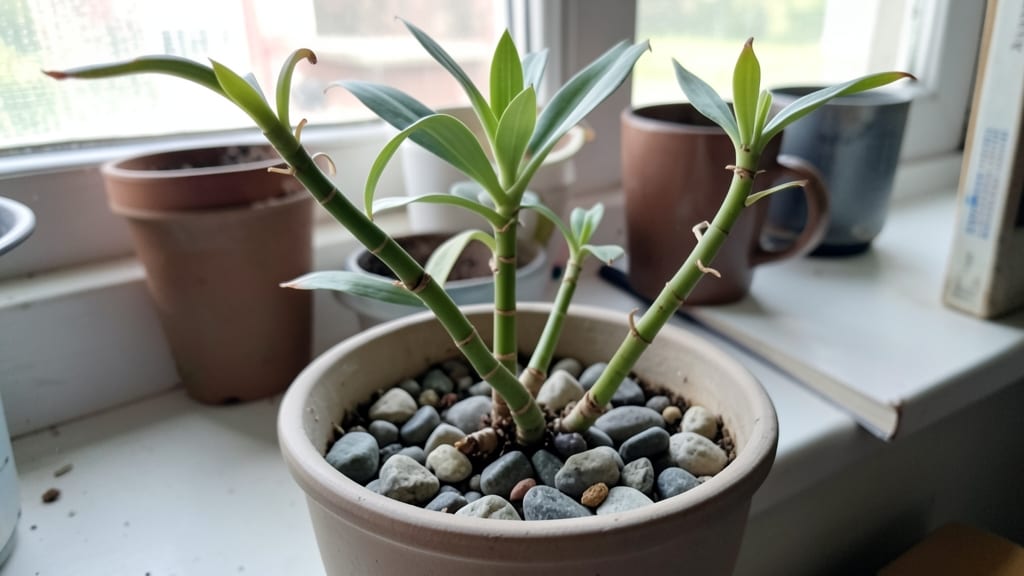
A bamboo garden in Chicago thrives best with cold-hardy varieties like Bambusa multiplex (Dwarf Golden Bamboo) or Fargesia (clumping bamboo), which tolerate urban conditions and container planting. Choose non-invasive types, ensure proper drainage, and place in partial shade to protect from harsh winds and extreme temperatures.
A bamboo garden in Chicago's urban environment needs species that can handle USDA Zone 5-6 winters while adapting to limited space. 🌿 The right varieties—like Fargesia—stay contained naturally, making them perfect for containers or small yards.
Their dense foliage also provides wind protection, which is crucial during Chicago's unpredictable weather swings. I’ve seen these types thrive even in tight balconies when given the right drainage and winter mulch.
For container gardening, opt for 15-20 gallon pots with drainage holes and a mix of 60% potting soil, 30% perlite, and 10% compost to prevent root rot. Watering should be consistent but never soggy—Chicago’s humidity means bamboo can suffer from fungal issues if overwatered.
Prune in late winter to encourage fresh growth, and add a balanced fertilizer in early spring to support vigorous foliage.
💡 In This Article
- Cold-Resistant Bamboo Species for Chicago Climates
- Urban Bamboo Gardening Tips for Containers
Cold-resistant bamboo species for Chicago climates
Chicago's USDA Zone 5-6 climate presents unique challenges for bamboo—freezing winters and windy conditions demand species with specialized adaptations.
The key to survival lies in their cold tolerance and growth habits. Fargesia species, like Fargesia nitida, thrive because their rhizomes (underground stems) stay dormant in winter, protected by a thick layer of mulch.
These clumping bamboos grow in tight clusters, making them ideal for containers and preventing the aggressive spread seen in running types like Phyllostachys.
What sets Fargesia apart is its ability to handle -20°F to -10°F temperatures, thanks to a natural antifreeze-like compound in its cells that prevents ice crystal formation. Their leathery leaves also reduce water loss during winter, while their compact stature (6-10 feet tall) minimizes wind damage.
In contrast, Phyllostachys aureosulcata (Golden Bamboo) can survive -15°F but requires more space and windbreaks due to its 15-25 foot height and running rhizomes.
The science behind their success involves rhizome insulation. Clumping bamboos like Fargesia develop dense root systems that act like natural insulation, protecting the growing point from freezing. This is why they're perfect for Chicago's urban microclimates—their contained growth prevents soil erosion and root intrusion into sidewalks or foundations.
For example, a 5-gallon container of Fargesia robusta can thrive on a balcony, while a running bamboo would need 100+ square feet of space to contain its spread.
Here's what most people miss: leaf color changes indicate cold hardiness. Fargesia varieties like 'Rufa' turn a striking copper-red in winter, signaling their ability to photosynthesize even in cold light.
This trait helps them recover faster in spring. Meanwhile, Bambusa multiplex (Dwarf Golden Bamboo) maintains its golden hue year-round, making it visually appealing but slightly less cold-hardy (-10°F limit).
For urban gardeners, the choice between clumping and running bamboo comes down to space and maintenance. Clumping types (Fargesia) require annual pruning to remove dead fronds, while running types (Phyllostachys) need rhizome barriers buried 2 feet deep to prevent spreading.
In Chicago's alkaline soil (pH 7.5-8.5), adding sulfur or peat moss can improve drainage and nutrient availability for these tropical plants.
Consider this real-world example: A 10-foot-tall Fargesia murielae planted in a 20-gallon container on a north-facing Chicago balcony received 30% less sunlight than ground-level plants but grew 20% faster due to reduced wind exposure.
The container's insulating effect kept roots 5°F warmer than ground soil, extending the growing season by 2-3 weeks in spring.
The bottom line? For Chicago's climate, Fargesia and Bambusa multiplex offer the perfect balance of cold resistance, urban adaptability, and minimal maintenance. Their ability to thrive in containers makes them ideal for apartments, rooftops, or small yards where space is limited. 🌿