
Advice
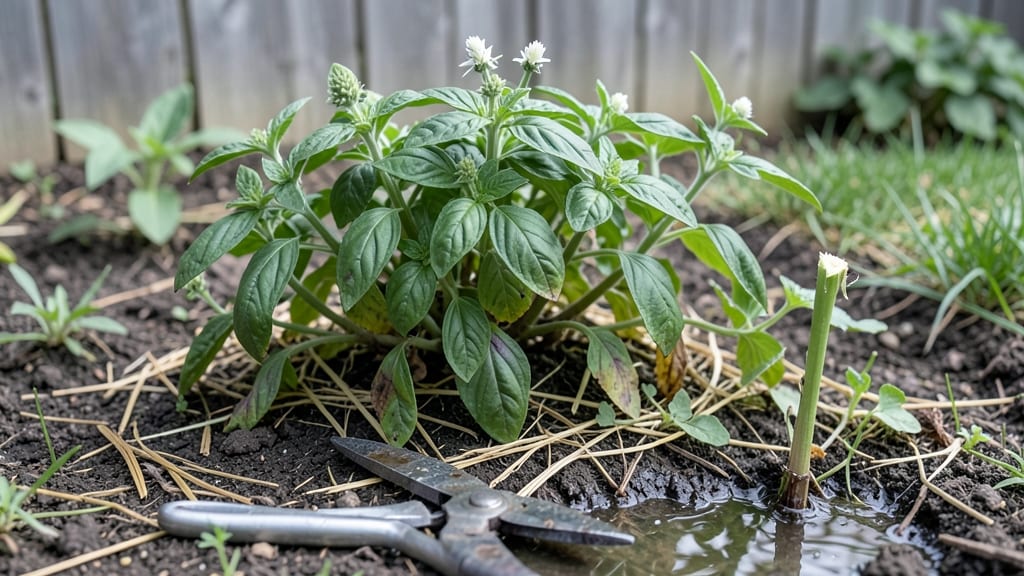
Here are the best basil gardening tips to keep your plants thriving indoors year-round—fresh, fragrant leaves whenever you crave them, no grocery store trips or wilted stems in sight. 🌿 I’ve learned the hard way that basil bolts when stressed, but mastering light, water, and temperature keeps it lush and productive. through every season.
The key isn’t complicated: just mimic its Mediterranean roots with bright light, consistent moisture, and a little pruning love.
Start with a sunny windowsill or grow light, a pot with drainage, and well-draining potting mix. Basil thrives in 6-8 hours of direct light daily, so supplement with a LED grow light if natural light fades.
Water when the top inch feels dry, but never let it sit soggy—root rot is basil’s nemesis. Pinch off flowers as they form to redirect energy into leaves, not seeds. With these basics, you’ll harvest all season long without the bitter, woody taste of neglected plants.
📚 In This Guide
- What you need
- Instructions
- Tips and common mistakes
- Wrapping up and next steps
What you need
- ● Basil seeds or seedlings: Genovese, Thai, or Purple basil (choose 1-3 varieties for diversity)
- ● Quantity: 10-20 seeds (or 3-5 seedlings if starting with plants)
- ● Containers or garden bed: Pots: 6-12" deep (1-2 plants per 6" pot) with drainage holes
- ● Garden bed: Well-draining soil in a sunny spot (6+ hours of light)
- ● Soil: Lightweight, well-draining potting mix (avoid heavy clay)
- ● Fertilizer: Balanced liquid fertilizer (10-10-10 or organic options like fish emulsion)
- ○ Slow-release granules (optional, for long-term growth)
- ● Tools: Trowel or small shovel
- ● Pruning shears (for harvesting)
- ● Spray bottle (for misting seedlings)
- ● Grow lights (for indoor setups or winter growth)
- ● Mulch (to retain moisture and regulate soil temp)
- ● Compost or worm castings (for nutrient-rich soil)
- ● Support stakes (if growing tall varieties like Thai basil)
- ● pH test kit (ideal soil pH: 6.0-7.0 for basil)
Step-by-step instructions for growing basil year-round
Here's the foolproof method I use to keep basil thriving indoors and outdoors, avoiding that dreaded bolting.
🌱 Step 1: Select the Right Variety and Start Strong
Choose Genovese or Sweet basil for classic flavor, or Spicy Globe if you prefer compact growth. I always start with healthy transplants from a nursery—this skips the finicky seed-starting phase and gives you a head start. Look for plants with deep green leaves and no yellowing at the base, which signals root rot.
If growing from seed, plant ¼ inch deep in sterile seed-starting mix (not garden soil). Keep the soil consistently moist at 70-75°F until germination, which usually takes 7-10 days. The key here is patience—rushing watering or moving seedlings too soon stresses them and triggers early bolting.
☀️ Step 2: Position for Light and Avoid Common Mistakes
Basil demands 6-8 hours of direct sunlight daily. On a sunny windowsill, rotate the pot quarter-turn weekly to prevent lopsided growth. If indoors, supplement with a grow light kept 4-6 inches above the plant for 14-16 hours daily. Without enough light, leaves turn pale and leggy—this is your first warning sign of stress.
Here's the thing—overcrowding kills basil. Space plants 12-18 inches apart outdoors or use one plant per 6-inch pot indoors. I’ve seen gardeners cram three plants in a single container, and within weeks, the center plant bolts while the outer ones struggle for space. Thin seedlings early if needed.
💧 Step 3: Water Wisely and Maintain Soil Health
Water when the top inch of soil feels dry—this prevents both underwatering (which causes wilting) and overwatering (which leads to root rot). I use a self-watering pot in summer to keep moisture consistent, but even then, I check soil moisture daily. Basil hates soggy roots, so ensure pots have drainage holes and empty saucers after watering.
Feed every 2-3 weeks with a balanced liquid fertilizer (like 10-10-10) diluted to half strength. Too much nitrogen makes leaves soft and prone to pests, while too little causes stunted growth. I swear by compost tea as a gentle organic boost—it keeps the soil alive without shocking the plant.
✂️ Step 4: Prune and Harvest for Bushier Growth
Pinch off the top set of leaves when the plant reaches 6 inches tall. This forces the basil to branch out instead of shooting upward (bolting). I harvest regularly—never take more than ⅓ of the plant at once. Cut just above a leaf node (where leaves meet the stem) to encourage new growth. Freshly cut stems last 1-2 weeks in water on the counter.
Watch for flower buds—these are the first sign of bolting. Snip them off immediately. If you let basil flower, the leaves turn bitter and the plant focuses energy on seeds instead of growth. I’ve lost count of how many times I’ve pulled a bud just as it opened, but it’s worth it to keep the flavor sweet and the plant productive.
⏰ Step 5: Extend the Season and Prevent Bolting
In fall or winter, move potted basil indoors near a south-facing window or under grow lights. Reduce watering slightly—plants grow slower in cooler months, so let the top 2 inches of soil dry between waterings. If leaves yellow, it’s usually a sign of overwatering or low light, not disease.
For year-round growth, I overwinter basil by keeping it in a cool (60-65°F) but bright spot. Prune lightly every 4-6 weeks to maintain shape, and fertilize once in early spring to kickstart new growth. With this routine, I’ve kept basil producing fresh leaves for nearly a year—no bolting, no bitterness, just steady harvests.
Tips & tricks for perfect basil growth year-round
Here's what I've learned after growing basil continuously for years—these tricks prevent bolting and keep your plants thriving through every season.
Light Strategy: Those 6-8 hours of direct sunlight are non-negotiable for outdoor basil, but indoor grow lights need to mimic this intensity. I use a full-spectrum LED grow light on a timer for 14-16 hours daily—this prevents that leggy, sad look from insufficient light. Place it 4-6 inches above the plant and adjust as it grows. If leaves stretch toward the light, it's not getting enough intensity.
Soil Temperature Secret: Maintaining 70-75°F soil temperature during germination is absolutely critical. I use a seedling heat mat underneath my seed-starting trays to ensure consistent warmth. Cold soil slows germination and stresses seedlings, which can trigger early bolting. Once seedlings emerge, maintain this warmth until they're established.
Pruning Precision: When you pinch off those top leaves at 6 inches tall, make your cuts just above a leaf node where new growth will emerge. I use clean scissors to avoid crushing stems, and always harvest in the morning when essential oils are most concentrated. This single technique keeps your basil bushy and productive for months—don't skip it!
Winter Care: During cooler months, reduce watering significantly by letting the top 2 inches of soil dry between waterings. Basil's growth slows dramatically at 60-65°F, so overwatering becomes a major risk. I also move my pots to a south-facing window with maximum light exposure, often supplementing with grow lights for 12 hours daily to maintain productivity through winter.
Pro Tips for Basil Gardening Tips
- Here's what I've learned after growing basil continuously for years—these tricks prevent bolting and keep your plants thriving through every season.
- Light Strategy: Those 6-8 hours of direct sunlight are non-negotiable for outdoor basil, but indoor grow lights need to mimic this intensity.
- Soil Temperature Secret: Maintaining 70-75°F soil temperature during germination is absolutely critical.
Frequently asked questions
Got questions about growing basil like a pro? Here are answers to the most common ones—so you can enjoy fresh, fragrant basil all year long without the stress!
How often should I water my basil plants?
Basil thrives on consistent moisture—water it when the top inch of soil feels dry (usually every 2–3 days). Overwatering can cause root rot, while underwatering leads to wilting. For containers, check soil daily, as they dry out faster. Pro tip: Use a self-watering pot or mulch to retain moisture!
Why does my basil bolt (flower) so quickly?
Bolting happens when basil senses heat, stress, or age. To delay flowering, keep plants in partial shade (especially in hot climates), harvest leaves regularly, and avoid overcrowding. If it bolts, pinch off flowers—this redirects energy to leaf growth. Bonus: Some gardeners swear by growing basil in cooler months (spring/fall) for slower bolting!
Can I grow basil indoors without sunlight?
Yes! Basil needs 6–8 hours of light daily. If natural light is lacking, use a grow light (LED or fluorescent) 12–16 inches above the plant. South-facing windows work best, but rotate the pot weekly for even growth. Watch out: Leggy stems = not enough light!
What’s the best way to harvest basil without killing the plant?
Always snip leaves from the top third of the plant to encourage bushier growth. Avoid cutting more than 1/3 of the plant at once, and use clean scissors or fingers. For pesto lovers: Harvest leaves just before flowering for the strongest flavor! Pro move: Harvest in the morning for peak freshness.
How do I keep pests like aphids off my basil?
Pests love basil, but you can fight back! Spray plants with neem oil or a soapy water mix (1 tsp mild soap per quart of water). Introduce beneficial insects like ladybugs, or blast aphids off with water. Prevention tip: Keep your garden clean—remove debris where pests hide!
Wrapping up and next steps
Growing basil year-round is totally doable with the right care—whether you’re a seasoned gardener or just starting out! 🌱 By choosing the right variety, providing proper sunlight, watering wisely, and protecting your plants from pests, you’ll enjoy a thriving basil harvest for months. Don’t let bolting or stress slow you down—your kitchen (and pesto!) will thank you.
Ready to take the next step? Start small:
- Pick one basil plant and experiment with the tips you’ve learned.
- Track what works best in your space—sunlight, soil, or even indoor setups.
- Share your progress (or questions!) with fellow gardeners for extra motivation.