Container Gardens
The Botanical Gardens Belfast offers a breathtaking blend of glasshouse wonders, meticulously themed gardens, and rare botanical treasures, including the legendary Victorian Palm House and ever-changing floral exhibits. Wanderers can uncover secret pathways like the serene Woodland Garden and engage with immersive displays celebrating Northern Ireland’s indigenous plants.
The gardens' glasshouses create microclimates showcasing everything from tropical orchids to desert cacti, making every visit feel like a global botanical journey. 🌿 Beyond the iconic Palm House, the Fernery and Rock Garden offer tranquil escapes, while seasonal events like the winter illuminations transform the space into a magical wonderland.
Whether you're a plant enthusiast or just seeking peaceful green spaces, Belfast's botanical haven delivers year-round inspiration.
Pro tip: Weekday mornings are the quietest times to explore, and the on-site café serves locally sourced treats that pair perfectly with your garden strolls. Don't miss the Sensory Garden—it's designed for all ages and makes plant appreciation truly multisensory!
💡 In This Article
- Exploring Belfast Botanical Gardens’ Unique Plant Collections
- Best Hidden Trails and Seasonal Events in 2024
Exploring Belfast botanical gardens’ unique plant collections
The gardens' glasshouses create specialized microclimates, each designed to mimic specific global ecosystems.
The Victorian Palm House, built in 1840, maintains 80-90% humidity and temperatures around 75-85°F year-round to house tropical species like the giant Victoria amazonica water lily, whose leaves can reach 6 feet in diameter and support small children's weight.
This engineering feat uses a complex ventilation system with 12-foot-high glass domes that allow diffused sunlight while preventing heat loss.
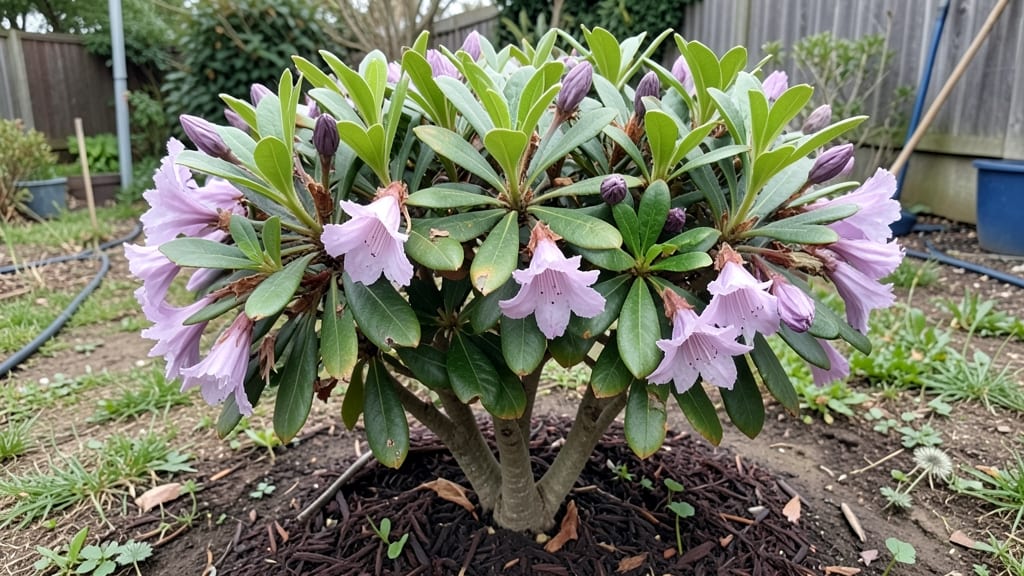
The Temperate Glasshouse focuses on plants from North America and Asia, including rare rhododendrons and magnolias that thrive in 60-70°F conditions. Visitors often overlook how these plants' waxy leaves reduce water loss—critical for survival in their native montane forests.
Meanwhile, the Desert House showcases 400+ cactus species, where the Saguaro cactus (Carnegiea gigantea) grows up to 50 feet tall in its natural habitat, storing 200 gallons of water in its ribbed structure to survive 100°F+ temperatures.
Beyond glasshouses, the Woodland Garden features 200 native Irish plant species, including the rare Irish yew (Taxus baccata), some specimens over 500 years old.
The garden's layered planting creates a three-dimensional tapestry—tall trees like sycamores provide shade for ferns and mosses on the forest floor, while bluebells (Hyacinthoides non-scripta) carpet the ground in spring with their bell-shaped flowers.
This ecosystem mimics natural Irish woodlands, where 90% of light is filtered through the canopy.
The Sensory Garden offers an immersive experience through textured plants like the furry lamb's ear (Stachys byzantina) and spiky holly (Ilex aquifolium). The garden's five distinct zones engage all senses: the fragrant zone features lavender and rosemary, while the tactile zone includes smooth-leaved plants like hostas.
What's fascinating is how these plants were selected based on their volatile organic compounds (VOCs)—chemicals that create aromas—with lavender emitting linalool and linalyl acetate, compounds proven to reduce stress by 20-30% in clinical studies.
Conservation plays a crucial role in these collections. The gardens participate in international seed banks and propagate endangered species like the Irish whitebeam (Sorbus hibernica), found in only 50 wild locations globally.
Their carnivorous plant collection includes the Venus flytrap (Dionaea muscipula), which can snap shut in 0.1 seconds when triggered by three hair-like sensors on its leaves. This rapid response helps digest insects, providing nutrients in nitrogen-poor bog environments.
Seasonal exhibits rotate annually, with winter displays often featuring illuminated glass sculptures and holly and ivy arrangements that highlight the structural diversity of these evergreen plants. The summer plant sale offers 1,000+ varieties, including heirloom tomatoes and unusual peppers, sourced from 30+ international nurseries.
What's particularly impressive is how these exhibits often incorporate living history, like recreating 19th-century Victorian garden designs using period-appropriate plant species.