Pests
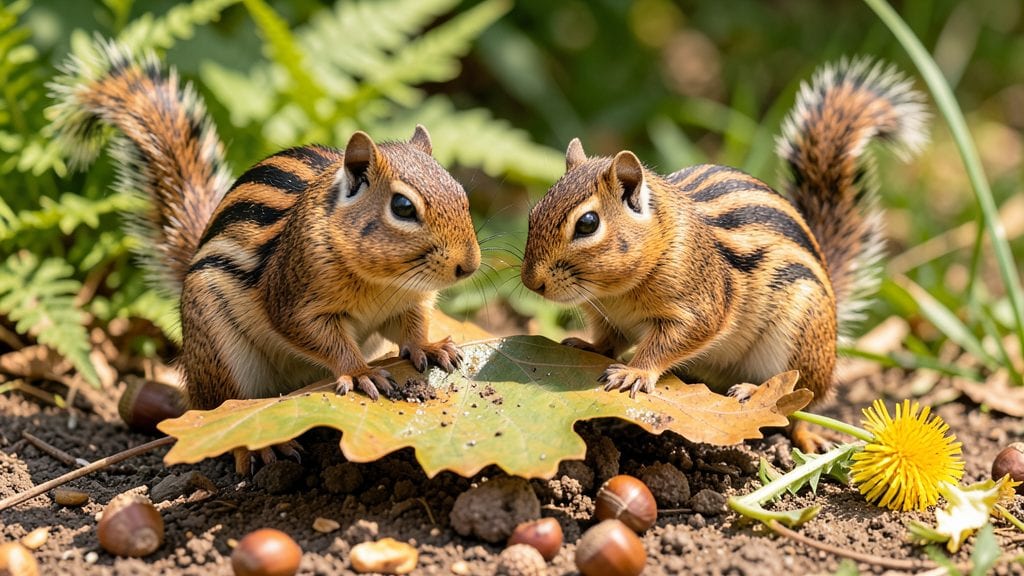
My garden’s fastest-growing problem turned out to be tiny, striped thieves—chipmunks digging up my tulip bulbs overnight. 🌱 They’re cute, but their tunneling leaves behind a mess of exposed roots and stolen seeds, and no amount of yelling at them works.
The good news? You can outsmart them without harming them or the ecosystem.
First, humane traps are the quickest solution when you’ve got visible damage. I use live traps baited with sunflower seeds—once caught, relocate them at least 2 miles away (yes, really) to break their habit.
For long-term defense, physical barriers like hardware cloth wrapped around raised beds or buried around bulb beds work like a charm. Chipmunks can’t dig through it, and it lasts for years.
Natural deterrents like peppermint oil (soak cotton balls and place near entry points) or planting daffodils and alliums (they hate the smell) send chipmunks packing fast. The key is consistency—mix a few methods, and you’ll see results within a week or two.
Your garden stays intact, and the chipmunks move on to easier targets.
This works for any garden size, from small containers to sprawling landscapes. The trick is acting before they turn your soil into Swiss cheese. Let’s get those critters out of your garden for good—without the guilt.
📚 In This Guide
- What you need
- Instructions
- Tips and common mistakes
- Wrapping up and next steps
What you need
- ● Humane live traps: 2–4 traps (depending on severity) – choose large, sturdy models (e.g., Havahart or Tomahawk) with secure doors.
- ● Bait: Sunflower seeds (unsalted) – 1–2 cups per trap (their #1 favorite!).
- ● Peanut butter (unsalted) – 1–2 tbsp per trap (sticky = irresistible!).
- ○ Corn kernels or dried fruit (optional backup).
- ● Gloves: 1 pair (nitrile or leather) – chipmunks can carry diseases!
- ● Towels or blankets: 2–3 (for handling traps or relocating chipmunks).
- ● Markers or flags: 1–2 (to mark trap locations for visibility).
- ● Transport container: A ventilated, escape-proof box (e.g., a plastic bin with holes drilled in the lid).
- ● Garden gloves: 1 pair (for setting up deterrents).
- ● Cayenne pepper or red pepper flakes: 1–2 tbsp (mix with water for a spray).
- ● Garlic or onion: 1–2 cloves/bulbs (crushed, for a homemade repellent).
- ● Predator urine (coyote/fox): 1–2 bottles (available at garden stores).
- ● Mesh wire or hardware cloth: Enough to cover vulnerable areas (e.g., 1/4-inch mesh, 3–5 ft sections).
- ● Motion-activated sprinklers: 1–2 (battery-operated, like Orbit Enforcer).
- ● Camera trap (to monitor activity before setting traps).
- ● Pet-safe repellent sprays (e.g., Critter Ridder).
- ● Heavy-duty zip ties (for securing mesh wire).
- ● Local wildlife rehab contacts (for safe relocation).
Step-by-step instructions for humane chipmunk removal and prevention
Here's the quick, effective method I've used to clear chipmunks in under a week.
🪴 Step 1: Set Up Humane Traps in Strategic Locations
Place traps along burrow entrances, near overturned mulch piles, or along garden edges where you've spotted activity. I use live traps with peanut butter or sunflower seeds as bait—chipmunks can't resist the smell. Position traps perpendicular to walls or fences so the door swings open when triggered.
Check traps every 4-6 hours during daylight. Chipmunks are most active at dawn and dusk, so timing matters. Once captured, release them at least 2 miles away in a wooded area with no gardens. I mark the release spot on a map to avoid bringing them back to my property.
☀️ Step 2: Apply Natural Deterrents to Disrupt Their Routine
Spread hot pepper flakes or cayenne powder around garden edges, burrow entrances, and near raised beds. The capsaicin irritates their sensitive noses and feet, making them avoid the area. Reapply after rain or every 3-4 days to maintain effectiveness.
Plant strongly scented herbs like mint, rosemary, or lavender near problem spots. Chipmunks dislike these fragrances, and the plants also deter other pests. I plant them in small pots around the garden perimeter so I can move them if needed.
💧 Step 3: Seal Entry Points and Remove Food Sources
Inspect your garden for gaps in fencing, holes in wood structures, or loose vents where chipmunks might nest. Seal openings with hardware cloth (¼-inch mesh)—they can't chew through it, and it won't harm them. Focus on areas near foundations, sheds, or under decks.
Remove all fallen fruit, unharvested vegetables, and uncovered compost piles. Store birdseed in metal containers with tight lids—chipmunks will raid open bags. I also elevate trash cans with locking lids to eliminate another food source.
⏰ Step 4: Monitor and Reinforce for Long-Term Prevention
After removing visible chipmunks, recheck traps weekly for 2-3 weeks—new ones may move in. Keep deterrents in place for at least 4 weeks to break their habit of returning. I set up a simple motion-activated sprinkler on a timer to startle any lingering visitors.
If you see fresh dig marks or chewed plants after a week, reset deterrents and re-evaluate trap placement. Consistency is key—chipmunks are clever but predictable once you understand their patterns.
Tips & tricks for fast chipmunk removal and prevention
These battle-tested strategies will help you clear chipmunks from your garden in record time while keeping the process humane and effective.
Timing Secret: Chipmunks are most active during their dawn and dusk foraging periods, so set up traps just before sunrise or two hours before sunset. I've found that placing traps 4-6 hours before dusk gives you the best chance of catching them as they return to their burrows with food. Avoid checking traps during heavy rain—wait until the ground dries to prevent escape.
Deterrent Placement Strategy: When applying hot pepper flakes or cayenne powder, focus on creating a 3-foot barrier around garden edges and burrow entrances. Sprinkle generously but avoid over-applying, which can wash away quickly. For extra effectiveness, mix the powder with a bit of water to create a paste that sticks better to soil and plant surfaces. Reapply after every rain shower to maintain the barrier.
Herb Selection Tip: While mint, rosemary, and lavender are excellent deterrents, I've found that catnip works even better—chipmunks absolutely hate the smell. Plant catnip in small pots along garden perimeters or near problem areas. Bonus: it also repels other pests like ants and aphids. Just be prepared for your cats to investigate!
Entry Point Inspection: When sealing gaps, pay special attention to foundation vents and deck supports—these are prime nesting spots. Use hardware cloth (¼-inch mesh) rather than chicken wire, as chipmunks can chew through thinner materials. For larger openings, create a funnel entrance using the hardware cloth to prevent them from digging under or around your barrier.
Pro Tips for Chipmunks In Garden
- These battle-tested strategies will help you clear chipmunks from your garden in record time while keeping the process humane and effective.
- Timing Secret: Chipmunks are most active during their dawn and dusk foraging periods, so set up traps just before sunrise or two hours before sunset.
- Deterrent Placement Strategy: When applying hot pepper flakes or cayenne powder, focus on creating a 3-foot barrier around garden edges and burrow entrances.
Frequently asked questions
Got questions about chipmunks in your garden?
Here are some of the most common concerns—and practical answers—to help you tackle the issue with ease.
Are chipmunks harmful to my garden?
While chipmunks don’t typically harm plants directly, they can dig up bulbs, chew on young seedlings, and create unsightly tunnels. Their burrowing can also damage lawns and garden beds. The good news? They’re not destructive like rodents—they’re just pesky opportunists! A few humane deterrents (like traps or repellents) can keep them in check without harming them.
How long does it take for natural deterrents to work?
Natural deterrents like pepper spray, predator urine (fox or coyote), or motion-activated sprinklers can show results in 1–3 days, but consistency is key. Chipmunks are smart—they’ll return if they sense food is still accessible. Combine deterrents (e.g., spray + physical barriers) for faster, long-term success. Patience pays off!
What’s the best humane trap for chipmunks?
Live traps like the Havahart Small Animal Trap or Tomahawk 201 work best—bait them with sunflower seeds or peanuts near their burrows. Check traps every 4–6 hours to avoid stressing the chipmunk. Release them at least 5 miles away in a wooded area. Pro tip: Wear gloves when handling traps to avoid transferring scents that might attract more chipmunks!
Can I prevent chipmunks without traps or chemicals?
Start by securing trash cans, removing fallen fruit, and storing pet food indoors. Install hardware cloth barriers (1/4-inch mesh) around garden beds or raised planters. Plant deterrent herbs like mint or lavender near entry points—chipmunks dislike their strong scents. Even wind chimes or aluminum pie pans (hanging from strings) can startle them away!
What do I do if chipmunks keep coming back after I’ve tried everything?
If chipmunks persist, they may have underground tunnels you haven’t located. Try flooding their burrows (temporarily) with water or sealing entry points with steel wool and caulk. For stubborn cases, consider ultrasonic repellents (though effectiveness varies). Last resort: Contact a local wildlife removal service—they’ve got the tools and expertise for tough cases!
Bonus Tip:
Chipmunks are most active at dawn and dusk, so that’s the best time to set traps or apply deterrents. Never use poison—it’s inhumane and can harm pets or other wildlife. Stay consistent, and you’ll reclaim your garden in no time!
Wrapping up and next steps
Dealing with chipmunks in your garden doesn’t have to be a stressful battle—with the right humane traps and natural deterrents, you can reclaim your space without harming these energetic little critters. 🐿️ Whether you opt for live traps, repellent plants, or simple barriers, the key is consistency and patience.
Start small, monitor what works, and soon your garden will be chipmunk-free while keeping wildlife happy and healthy.
Ready to take action? Pick one method today—set up a trap, plant a deterrent, or reinforce your garden’s defenses—and enjoy your peaceful outdoor space in no time! 🌱