
Fertilization
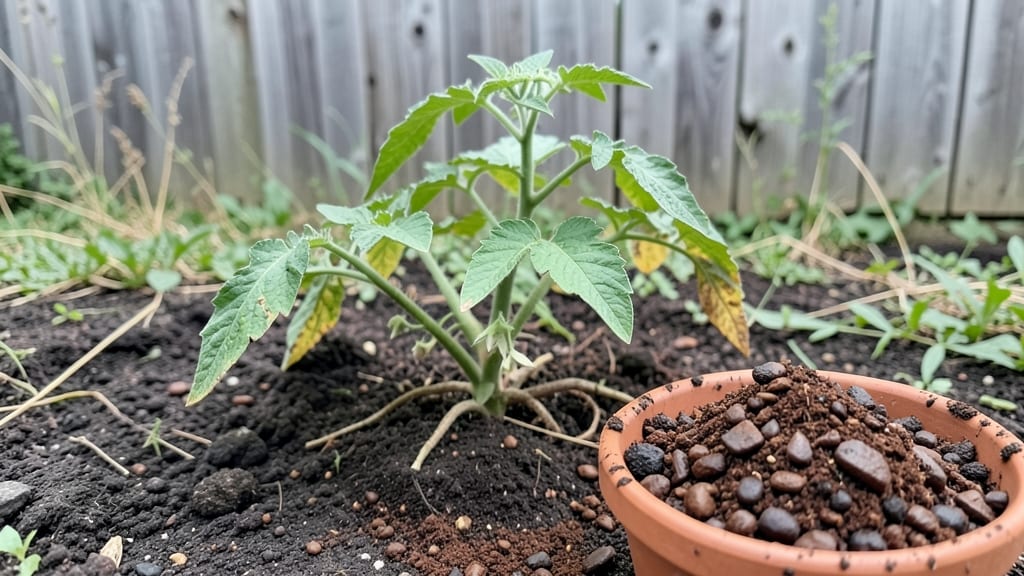
Coffee grinds in the garden improve soil fertility by adding nitrogen, repel pests like slugs and ants, and boost microbial activity while balancing acidity for acid-loving plants like blueberries and azaleas. Apply sparingly to avoid over-acidifying soil or attracting mold.
Coffee grinds act like a natural fertilizer because they're rich in nitrogen, which helps plants grow stronger and greener. 🌱 The caffeine in used grounds also deters pests, making them a smart addition to your garden's pest control strategy.
I've noticed that blueberries and azaleas thrive when mixed into the soil, but you'll want to use them carefully—too much can make the soil too acidic. For best results, sprinkle a thin layer around plants or mix them into compost.
What's great about coffee grinds is their versatility—they can be used as mulch, compost, or even a top dressing for acid-loving plants. Just remember to keep them fresh, as old or moldy grounds can harm your garden instead of helping it.
If you're unsure about your soil's pH, do a quick test before applying them in large amounts.
💡 In This Article
- How Coffee Grounds Enhance Soil and Plant Growth
- Best Ways to Apply Coffee Grounds in Your Garden
How coffee grounds enhance soil and plant growth
Coffee grounds work as a natural fertilizer because they contain approximately 2% nitrogen by weight—about the same concentration as many commercial organic fertilizers. When mixed into soil, this nitrogen becomes available to plants as it breaks down, promoting leafy growth and vibrant foliage.
The process starts with microbial decomposition: soil bacteria and fungi colonize the grounds, converting the nitrogen into forms like ammonium and nitrate that plants can absorb through their roots. 🌱
Beyond nitrogen, coffee grounds also contain trace minerals like potassium, phosphorus, and magnesium, which contribute to overall plant health. The grounds' coarse texture improves soil aeration, creating tiny pockets that allow roots to breathe better.
However, the real magic happens with microbial stimulation—the caffeine in coffee grounds acts as a mild stimulant for beneficial soil bacteria, accelerating the breakdown of organic matter. Studies show that adding coffee grounds can increase microbial populations by up to 30% within weeks, leading to richer, more fertile soil.
The pH adjustment is where coffee grounds shine for acid-loving plants. Fresh grounds have a pH of about 6.2-6.8, but as they decompose, they can lower soil pH slightly, making them ideal for blueberries (which thrive at 4.5-5.5) or azaleas (preferring 5.0-6.0).
The organic acids released during decomposition help create the perfect environment for these plants. However, this effect is gradual—too much at once can create an overly acidic pocket in the soil, potentially harming roots.
Pest deterrence comes from the caffeine and tannins in coffee grounds. These compounds act as natural repellents for slugs, ants, and even some fungal pathogens. The caffeine disrupts the nervous systems of soft-bodied pests like slugs, while tannins create a physical barrier that deters crawling insects.
I've noticed fewer slug trails in garden beds where I've applied coffee grounds as mulch—a testament to their effectiveness. The key is using fresh, used grounds; old or moldy grounds lose their pest-repelling properties and may even attract fungus gnats.
For best results, mix coffee grounds into compost piles or top-dress around acid-loving plants at a rate of about 1-2 cups per square foot every few months. Avoid using them directly on seedlings or tender plants, as the high nitrogen content can cause leaf burn.
The grounds also make an excellent mulch when combined with other organic materials like straw or wood chips, creating a slow-release nutrient system that feeds plants over time. 🌿
What most gardeners don't realize is that coffee grounds can also help suppress weeds. The thick layer of mulched grounds blocks sunlight from reaching weed seeds, preventing germination while retaining soil moisture. This dual benefit—nutrient enrichment and weed control—makes them one of the most versatile organic amendments available.
Just remember: balance is key. Too much can create an anaerobic environment that stunts root growth, so always mix them into existing soil rather than layering them thickly.