Vegetables
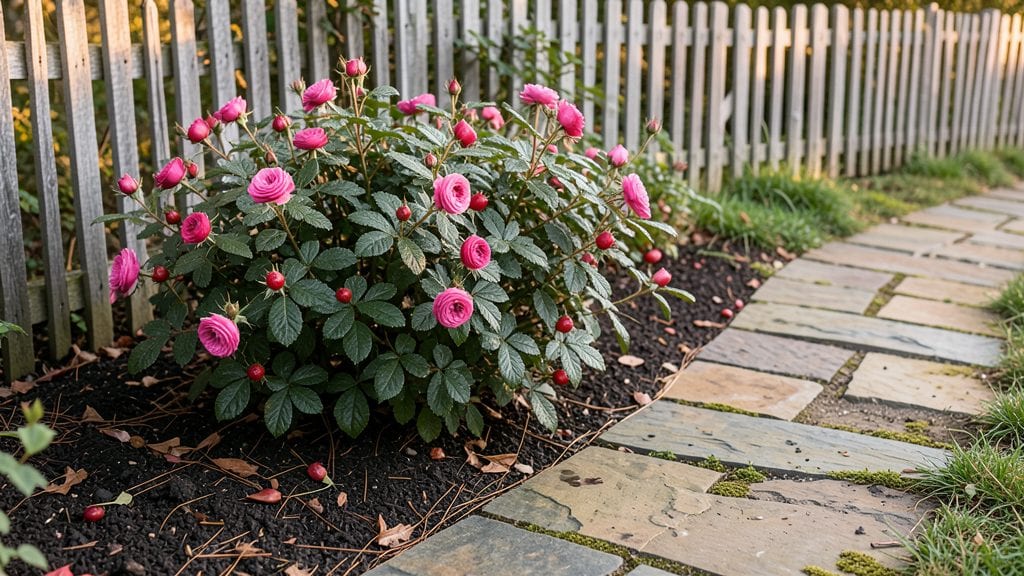
The images of cottage gardens I’ve collected—wildflower drifts, climbing roses, and mismatched containers—feel like a storybook come to life. 🌿 I fell in love with them after seeing how effortlessly they blend romance with practicality: herbs tucked near the kitchen, sunflowers nodding over pathways, and peonies spilling onto stone steps.
The magic isn’t in perfection but in layers—tall grasses framing a trellis, lavender trailing along a fence, and every corner bursting with something unexpected.
What makes cottage gardens work anywhere is their flexibility. You don’t need a sprawling backyard—just a sunny patch, a few key plants, and a relaxed approach.
Start with three core elements: fragrant flowers (roses, honeysuckle, or clematis), edible surprises (nasturtiums, thyme, or strawberries), and vertical interest (arbors, obelisks, or even a simple wooden post). Even small spaces can handle this look with raised beds or hanging baskets overflowing with petunias. The color palette?
Soft blues, creamy whites, and deep purples—think "grandmother’s garden" meets "wild meadow."
By summer’s end, you’ll have a space that feels alive with movement—butterflies flitting between blooms, bees humming in the lavender, and the scent of roses lingering in the evening air. The best part? It grows more beautiful each year as plants naturalize and climbers take over.
Whether you’re filling a postage-stamp patio or a half-acre, these layouts adapt without losing their soul. Ready to bring the charm home?
Here’s the secret: cottage gardens thrive on imperfection. Let some plants sprawl, mix heights and textures, and never fear a "messy" corner—it’s where the real magic hides. Start small, trust the process, and watch your space transform into a sanctuary that tells a story.
The images will inspire you, but the joy comes from making it your own.
📚 In This Guide
- What you need
- Instructions
- Tips and common mistakes
- Wrapping up and next steps
What you need
- ● Seeds or seedlings: A mix of annuals (pansies, marigolds, nasturtiums), perennials (lavender, roses, peonies), and vegetables (tomatoes, herbs, lettuce). Aim for 3–5 varieties per 10 sq. ft. for a lush, layered look.
- ● Compost or well-aged manure: 2–3 inches per planting area to enrich soil.
- ● Mulch (straw, wood chips, or leaves): 2–3 inches to retain moisture and suppress weeds.
- ● Garden stakes or trellises: For climbing plants like clematis, beans, or morning glories—choose rustic or decorative styles to match your theme.
- ● Hand trowel: For precise planting and weeding.
- ● Pruners (bypass or anvil): Sharp, clean tools for trimming flowers and veggies.
- ● Garden fork: For aerating soil and mixing in compost.
- ● Watering can or hose with adjustable nozzle: A gentle spray works best for delicate seedlings.
- ● Measuring tape or string: To map out beds (aim for 3–4 ft. wide for easy access).
- ● Decorative containers: Old teapots, boots, or wooden crates for herbs or small flowers.
- ● Garden gloves: Protect your hands from thorns (roses!) and blisters.
- ● Birdhouses or feeders: To invite pollinators and add rustic flair.
- ● Paint or chalk: For labeling plants or sketching layouts.
Instructions for designing your own cottage garden layout
Here’s how to translate those charming cottage garden images into your own space—layer by layer.
🌱 Step 1: Define Your Garden’s Core Structure
Start with a 4-foot-square central area as your focal point—this is where you’ll place the tallest plants, like delphiniums or hollyhocks, to anchor the design. Cottage gardens thrive on asymmetry, so avoid rigid rows. I like to sketch a rough outline on graph paper first, using 1-inch squares to represent 1-foot spacing—this keeps proportions intuitive.
Add a 2-foot-wide path of stepping stones or gravel around the edges to create natural movement. The path should wind slightly, inviting exploration. This isn’t just practical; it’s the backbone of that "lived-in" cottage garden look. Think of it as the garden’s "spine"—everything else grows around it.
🌿 Step 2: Layer Plants by Height and Bloom Time
Cottage gardens rely on vertical diversity, so group plants in three tiers: tall (5-7 feet), medium (2-4 feet), and low (under 2 feet). Use the 3 gallons of potting mix you’ve prepared to create small mounds for shorter plants, giving them slight elevation. This prevents them from getting lost under taller varieties.
Stagger bloom times for continuous color—pair early spring bulbs like daffodils with summer perennials like roses and late-season asters. I always include at least one climbing plant (like clematis or honeysuckle) to train along a trellis or fence. This adds architectural interest and draws the eye upward, just like in those classic cottage garden images.
☀️ Step 3: Incorporate Whimsical Focal Points
No cottage garden is complete without 3-5 small decorative elements—think vintage birdbaths, weathered wooden benches, or a rusted metal gate. Place these where they’ll catch the eye but not overwhelm the natural flow. I like to position a focal point where the path makes a gentle turn, creating a natural pause for visitors.
Add mixed textures—rough bark of a birch tree, the feathery foliage of lamb’s ear, or the velvety leaves of heuchera—to mimic the organic layers you see in cottage garden images. These details make the space feel intentional, not just planted. Even a single old-fashioned windmill or a stack of slate tiles can elevate the look instantly.
💧 Step 4: Weave in Edible and Useful Plants
Cottage gardens often include herbs, vegetables, or fruit bushes tucked among flowers—think thyme under roses or strawberries spilling over a wall. This practicality is key to the style’s charm. Use the 1 packet of mixed herb seeds to plant lavender, rosemary, and sage near seating areas for fragrance and utility.
Incorporate 3-4 edible flowers like nasturtiums or pansies into borders—they’re as pretty as they are tasty. The goal is to make the garden feel functional and romantic, not just decorative. Even a single apple tree or a row of peas can tie the space to its agricultural roots.
✂️ Step 5: Maintain with Seasonal Pruning and Deadheading
Cottage gardens stay lush with regular but gentle upkeep. Deadhead spent blooms weekly to encourage more flowers, but leave seed heads on a few plants (like ammi or love-in-a-mist) for winter interest. Prune back overgrown perennials in early spring, cutting just above the first set of leaves to stimulate new growth.
Mulch annually with 2 inches of organic matter (like shredded bark or straw) to retain moisture and suppress weeds. This keeps the garden looking neat without being sterile. I always leave a few "wild" corners—untended patches where clover or dandelions bloom freely—for that effortless, timeless charm.
Tips & tricks for creating whimsical cottage garden layouts
Transforming your garden into a timeless cottage retreat takes more than just planting flowers—it’s about understanding the subtle art of layering and balance. Here’s how to elevate your design from charming to extraordinary.
The Asymmetry Secret: In Step 1, when sketching your 4-foot-square central area, intentionally leave one side slightly uneven. Cottage gardens feel organic, not perfectly symmetrical. I like to draw my outline freehand first, then refine with the 1-inch grid—this helps me visualize how plants will spill naturally across the space. The goal is to create a sense of movement, as if the garden is breathing.
Pathway Placement: The 2-foot-wide path in Step 1 isn’t just functional—it’s the garden’s circulatory system. Position it so it meanders through your focal points, creating natural pauses. I often sketch the path last, after placing my decorative elements, to ensure it enhances rather than disrupts the flow. Think of it as a ribbon guiding visitors through your garden’s story.
Texture Layering: When incorporating the three tiers of plants in Step 2, don’t just focus on height—prioritize textures. Pair the velvety leaves of heuchera with the feathery foliage of lamb’s ear, and add rough bark elements like birch trees. This tactile contrast is what makes cottage gardens feel so inviting. I always include at least one plant with interesting seed heads (like ammi) for winter interest, even if I deadhead others.
Focal Point Strategy: For Step 3’s decorative elements, I recommend placing your 3-5 focal points at varying distances from the path. The farthest one should be just visible from the garden’s entrance, creating anticipation, while the closest should be positioned where someone would naturally pause—like at a gentle turn in the path. This creates a sense of depth and discovery that’s pure cottage garden magic.
Pro Tips for Cottage Gardens Images
- Transforming your garden into a timeless cottage retreat takes more than just planting flowers—it’s about understanding the subtle art of layering and balance.
- The Asymmetry Secret: In Step 1, when sketching your 4-foot-square central area, intentionally leave one side slightly uneven.
- Pathway Placement: The 2-foot-wide path in Step 1 isn’t just functional—it’s the garden’s circulatory system.
Frequently asked questions
What’s the best time of year to plant a cottage garden?
For most climates, spring (after the last frost) is ideal for planting perennials and annuals. However, cool-season crops like pansies or violas can handle light frost, while heat-lovers (like marigolds or nasturtiums) thrive when planted in late spring or early summer. Pro tip: Start seeds indoors 6–8 weeks before your last frost for a head start!
How do I keep my cottage garden from looking too wild?
Balance is key! Prune overgrown plants (like roses or clematis) in early spring to encourage bushier growth, and deadhead spent blooms regularly to prolong flowering. Use pathways (gravel, stepping stones, or mulch) to create structure, and group plants by height—tall backdrops (like delphiniums) behind mid-height bloomers (e.g., peonies) with low-spreading plants (like ajuga) in front.
Are cottage gardens really low-maintenance?
They’re lower-maintenance than manicured gardens, but not zero-maintenance! Native plants and perennials (which return yearly) reduce effort, while mulching suppresses weeds. Water deeply 2–3 times a week (early morning is best) and let the soil dry slightly between waterings. Add a ground cover (like creeping thyme) to cut down on weeding!
Can I mix vegetables with flowers in a cottage garden?
Edible flowers (like nasturtiums or calendula) deter pests, while veggies (tomatoes, herbs, or lettuce) add height and texture. Plant companion flowers near veggies— marigolds repel nematodes, and borage attracts pollinators. Just avoid overcrowding; give root veggies (like carrots) space to spread!
What’s a budget-friendly way to start a cottage garden?
Skip the nursery! Raid your local thrift store for vintage pots or wooden crates, and collect seed packets from gardening swaps or online sales. Start with cheap, fast-growing annuals (like sunflowers or cosmos) and perennial cuttings from friends. Mulch with free grass clippings or leaves to save on soil amendments.
Wrapping up and next steps
Cottage gardens are more than just a trend—they’re a celebration of nature’s whimsical beauty and timeless charm. Whether you're inspired by vintage floral layouts or dream of creating your own, these images remind us that gardening is an art form filled with joy and creativity. 🌸
Ready to bring this magic to your space? Start small—pick a corner, gather a few plants, and let your imagination bloom! Your cottage garden adventure awaits!