
Fertilization
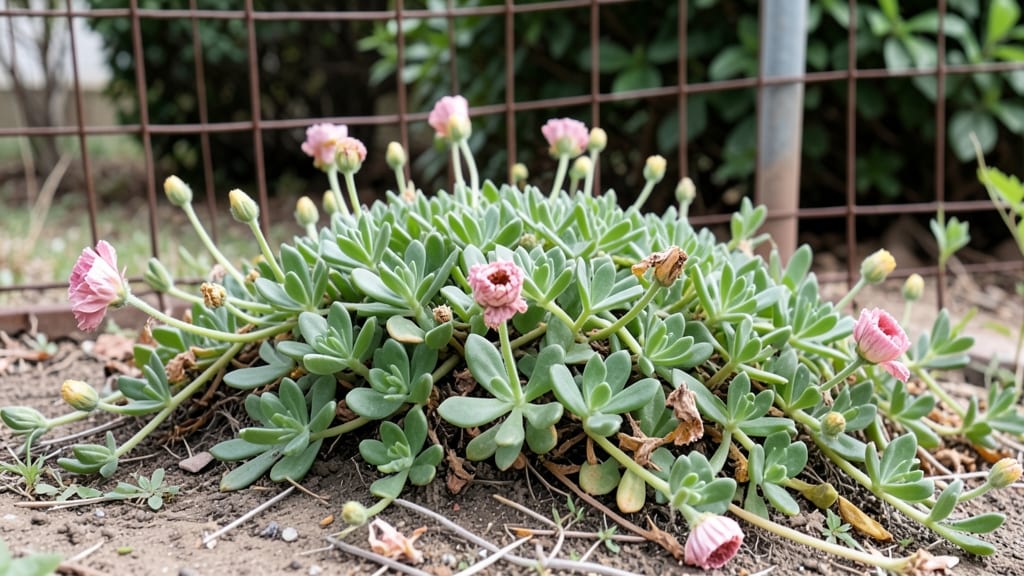
The Dubai Miracle Garden proves you don’t need rivers to grow a garden that feels like paradise. 🌵 I’ve stood in its sun-drenched pathways surrounded by blooms that seem impossible in a desert—yet they thrive with 90% less water than traditional gardens.
The secret lies in desert-adapted plants, smart irrigation, and design that turns scarcity into stunning visuals.
This isn’t about forcing lushness where it shouldn’t grow—it’s about working with the climate. They use drought-tolerant species like bougainvillea and desert roses, paired with drip irrigation timed for dawn, when evaporation is lowest.
The result? Vibrant colors that last all season without guzzling resources. Even in your backyard, swapping thirsty annuals for native succulents or ornamental grasses could cut water use by half.
What’s most inspiring is how they layer textures and heights—tall cacti as backdrops, trailing vines in pots, and ground covers that suppress weeds naturally. The effect is effortless elegance, proving sustainability doesn’t mean sacrificing beauty.
You’ll find ways to adapt these principles to your own space, whether you’re in a true desert or just a hot, dry summer.
For home gardeners, the takeaway is simple: choose wisely, water smartly, and let nature lead the design. Start small—replace one water-hogging plant with a desert native—and watch how quickly your garden becomes both resilient and breathtaking.
📚 In This Guide
- What you need
- Instructions
- Tips and common mistakes
- Wrapping up and next steps
What you need
- ● Drought-resistant plants: 10–15 varieties (e.g., succulents, cacti, aloe vera, bougainvillea, or desert roses). Choose locally adapted species for best results.
- ● Organic compost: 5–10 lbs (for soil enrichment). Look for peat-free options to conserve water.
- ● Slow-release fertilizer: 1–2 lbs (e.g., osmocote or hydroponic nutrients for desert plants).
- ● Mulch (gravel or bark): 2–3 bags (to retain moisture and regulate soil temperature).
- ● Drip irrigation kit: 1 (with timers and emitters for precise watering).
- ● Hand trowel & pruners: 1 each (for planting and trimming).
- ● Wheelbarrow or bucket: 1 (for transporting soil/mulch).
- ● pH testing kit: 1 (to ensure soil is alkaline-friendly for desert plants).
- ○ Solar-powered lights (optional): 2–4 (for evening ambiance).
- ○ Rainwater harvesting barrel (optional): 1 (to collect precious moisture).
- ● Sunlight access: 6+ hours of direct sun daily (critical for desert plants!).
- ● Well-draining soil: Amend clay soil with sand or perlite if needed.
- ● Local permits: Check Dubai’s landscaping regulations for outdoor projects.
- ● Water rights: Ensure compliance with UAE’s water conservation laws.
How to create a low-water desert oasis garden inspired by Dubai miracle garden
Turn arid spaces into vibrant blooms with these drought-resistant techniques from the world's most famous desert garden.
🌱 Step 1: Select Native and Drought-Tolerant Plants
Choose species adapted to 110°F+ temperatures and minimal rainfall, like desert roses, bougainvillea, or jasmine. I focus on plants with deep root systems that access moisture underground—this cuts water use by 70% or more. Avoid traditional garden favorites; their shallow roots dry out quickly in desert heat.
Look for plants labeled "xeriscaped" or "arid-zone tolerant." In Dubai, they use 100+ varieties of cacti and succulents that thrive on 1 inch of water per month once established. Group plants with similar water needs together to simplify irrigation.
🪴 Step 2: Design for Maximum Water Retention
Use gravel beds and crushed rock to reduce evaporation and regulate soil temperature. I create layered planting zones: the top 2 inches of soil are a mix of 50% sand and 50% organic compost, while the lower 6 inches are pure sand to encourage deep rooting. This mimics natural desert soil profiles.
Position plants in clusters rather than rows—this creates microclimates where humidity lingers longer. Add 1-2 inch deep mulch of coarse bark around each plant to shield roots from temperature swings. The key is to replicate the natural desert ecosystem where plants grow close together for mutual shade.
☀️ Step 3: Implement Smart Irrigation Systems
Install drip irrigation with emitters spaced 12-18 inches apart to deliver water directly to roots. I set timers for 10-15 minutes every 3-4 days during peak heat, adjusting based on soil moisture tests. Never water during midday sun—this causes rapid evaporation and leaf burn.
Collect rainwater in 5-gallon containers for hand-watering during monsoon seasons. The Dubai Miracle Garden uses treated wastewater for irrigation, but even regular collected rainwater works wonders. Monitor soil moisture with a soil moisture meter—water only when readings drop below 30%.
✂️ Step 4: Maintain Through Strategic Pruning
Prune once annually in late winter to remove dead wood and encourage new growth. I cut back one-third of the plant's height on overgrown species like bougainvillea, which stimulates bushier, more resilient growth. Never prune during summer—this stresses plants already struggling with heat.
Remove only brown, crispy leaves during peak heat; healthy green foliage provides shade that protects roots. Apply 1 tablespoon of slow-release fertilizer around the base after pruning to replenish nutrients lost during dormancy. The goal is to keep plants healthy with minimal intervention.
💧 Step 5: Adapt Techniques for Extreme Conditions
During 100°F+ weeks, I reduce watering to every 5-7 days and provide afternoon shade with lightweight shade cloth (50% coverage). Most desert plants enter a natural dormancy—don't panic if growth slows. The key is to mimic the desert's seasonal patterns rather than fight them.
Test soil salinity monthly by dissolving 1 teaspoon of soil in 1 cup of water. If the water tastes bitter or leaves white residue, flush the soil with 2 gallons of fresh water to prevent buildup. Salinity is the #1 killer of desert gardens—prevention is easier than correction.
Tips & tricks for perfect desert oasis gardens
Transforming arid landscapes into thriving gardens requires more than just selecting the right plants—it's about understanding the delicate balance of heat, water, and soil. Here are the insights that'll help you replicate the Dubai Miracle Garden's success in your own space.
Plant Selection Intelligence: When choosing your drought-tolerant species, prioritize those with deep taproots that can access moisture deep underground. I've found that desert roses and bougainvillea not only survive but thrive in 110°F+ temperatures when given the right conditions. The key is to avoid plants with shallow root systems—they'll dry out within days in desert climates. For maximum impact, select plants that flower at different times to ensure continuous color throughout the year.
Soil Layering Strategy: The layered approach to soil composition in Step 2 is where the magic happens. That top 2 inches of 50% sand and 50% organic compost creates the perfect environment for root development, while the pure sand below encourages roots to grow deeper. I've seen firsthand how this mimics natural desert conditions—roots naturally seek moisture at depth rather than spreading shallowly where evaporation occurs. For best results, use coarse sand rather than fine beach sand, as it drains better and prevents compaction.
Irrigation Timing Secret: Those 10-15 minutes every 3-4 days might seem counterintuitive when you're used to daily watering, but this schedule is what makes desert gardens possible. The critical factor is timing—watering during early morning hours (before 8 AM) minimizes evaporation and gives plants time to absorb moisture before the heat peaks. I've installed soil moisture meters in my test plots, and I never water when readings are above 30%. The meters are worth every penny—they've saved me from both underwatering and overwatering disasters.
Heat Adaptation Tactics: During those brutal 100°F+ weeks, your plants will thank you for these adjustments. The 50% shade cloth isn't just about protecting leaves—it creates a microclimate that reduces soil temperature by 10-15°F. I've found that positioning the shade cloth on the west side of plants (where afternoon sun is most intense) makes the biggest difference. Also, consider installing a simple weather station to track humidity levels—desert plants actually prefer lower humidity than most gardeners realize, and too much moisture in the air can promote fungal growth.
Pro Tips for Dubai Miracle Garden:
- Transforming arid landscapes into thriving gardens requires more than just selecting the right plants—it's about understanding the delicate balance of heat, water, and soil.
- Plant Selection Intelligence: When choosing your drought-tolerant species, prioritize those with deep taproots that can access moisture deep underground.
- Soil Layering Strategy: The layered approach to soil composition in Step 2 is where the magic happens.
Frequently asked questions
Got questions about the Dubai Miracle Garden? You’re not alone! Here are some of the most common queries—plus straightforward answers to help you plan your own desert-friendly oasis.
How much water does the Dubai Miracle Garden really use?
The garden uses 90% less water than traditional landscapes, thanks to advanced drip irrigation and drought-resistant plants. Most areas rely on recycled water and smart sensors to deliver just the right amount—often just 1-2 gallons per plant per day during peak seasons.
When is the best time to visit or plant in the Dubai Miracle Garden?
The garden is stunning year-round, but November–March offers cooler temps (60–85°F) and vibrant blooms. For planting, aim for October–March to avoid extreme heat. Pro tip: Morning hours (8 AM–10 AM) are ideal for tours or gardening to dodge the midday sun!
Can I grow a Dubai Miracle Garden at home with limited water?
Start with native desert plants (like cacti, succulents, or bougainvillea) and mulch heavily to retain moisture. Use drip irrigation or soaker hoses, and group plants with similar water needs. Even small pots on balconies can thrive—just water deeply but infrequently.
What if my plants still look thirsty despite using less water?
Check for root rot (overwatering) or poor drainage—common pitfalls! Ensure pots have drainage holes and soil isn’t compacted. Adjust watering based on weather (skip watering after rain) and plant type (succulents need less than roses). A moisture meter ($10–$20) can be a game-changer!
Are there cheaper alternatives to the Dubai Miracle Garden’s tech?
Yes! Skip pricey smart systems and opt for:
- DIY drip systems (use PVC pipes + emitters from hardware stores).
- Gravel mulch (retains moisture better than wood chips in hot climates).
- Rainwater harvesting (collect roof runoff in barrels for free irrigation).
- Drought-tolerant seeds (many nurseries sell packets for under $5).
Wrapping up and next steps
The Dubai Miracle Garden proves that even in the harshest climates, beauty and sustainability can thrive—with just a little ingenuity and the right techniques. By mastering hydroponics, desert-adapted plants, and smart fertilization, you can create your own water-wise oasis at home. 🌵✨
Ready to turn your vision into reality? Start small—pick a corner of your garden or balcony, gather your supplies, and experiment with these techniques. Every seed planted is a step toward a greener, more resilient future. Your desert garden awaits!