
Vegetables
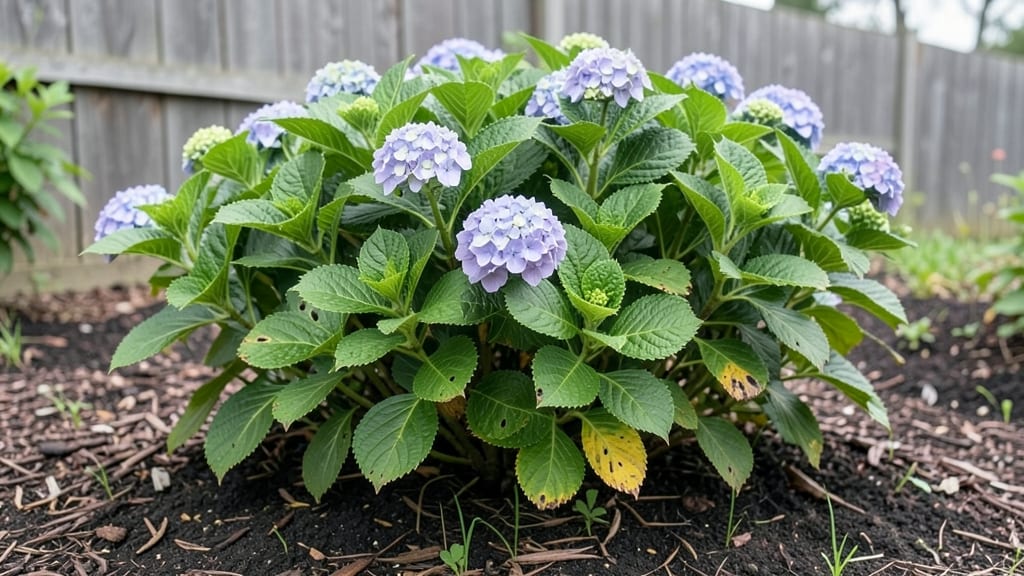
Discover the English gardens latest trends—where timeless charm meets effortless elegance, and I’ll show you how to achieve it year-round with minimal fuss. 🌿 The secret lies in layering perennials, shrubs, and seasonal accents so everything blooms in succession.
You don't need acres or a green thumb to pull this off. Start with a mix of 5-7 core plants that thrive in your climate, then add annuals for pops of color where needed.
Think velvety lamb's ear, fragrant lavender, and bold hydrangeas—plants that handle drought once established and come back stronger every year.
By summer's end, your garden will burst with continuous blooms from spring tulips to fall asters, all while requiring less deadheading and fuss than most modern designs.
The key is strategic spacing and color blocking—soft blues near entryways, warm yellows in sunny spots, and deep purples where they catch the evening light.
This approach works for suburban backyards, urban balconies, or even small courtyard spaces. The same principles apply whether you're in the Pacific Northwest's mild climate or the heat of the Southeast—just swap a few heat-tolerant varieties like Russian sage or black-eyed Susans for traditional choices.
📚 In This Guide
- What you need
- Instructions
- Tips and common mistakes
- Wrapping up and next steps
What you need
- ● Perennials (for year-round structure): 10–15 Hellebores (shade-tolerant, early blooms)
- ● 8–12 Peonies (romantic, long-lived)
- ● 6–10 Rudbeckias (sun-loving, late-season color)
- ● Annuals (for seasonal pops): 20–30 Pansies (cool weather, vibrant colors)
- ● 15–20 Nasturtiums (edible, pest-repelling)
- ● 10–15 Sweet Alyssum (fragrant, low-growing)
- ● Foliage plants (texture & height): 5–8 Ornamental Grasses (e.g., Miscanthus)
- ● 3–5 Hostas (shade, lush leaves)
- ● 2–3 Heucheras (colorful foliage)
- ● Essential: 1 pair pruning shears (bypass, sharp)
- ● 1 garden trowel (5-inch, stainless steel)
- ● 1 wheelbarrow (2–3 cubic feet)
- ○ 1 hose with adjustable nozzle (soaker hose optional)
- ○ Optional (but helpful): 1 mulching fabric (landscape cloth)
- ● 1 garden kneeler (for comfort)
- ● 1 soil pH tester (to customize care)
- ● Site prep: Test soil pH (aim for 6.0–7.0; amend with lime or sulfur if needed).
- ● Clear weeds/grass (use vinegar spray for organic removal).
- ● Sunlight: Map your garden’s light zones (full sun, partial shade, full shade).
- ● Water access: Ensure a nearby spigot or irrigation setup.
Instructions for creating a season-long English garden blueprint
Here’s how to design a classic English garden that thrives with minimal effort while delivering year-round color and texture.
🌿 Step 1: Plan Your Seasonal Layers
Start by sketching your garden layout with four distinct layers: tall perennials (like delphiniums or hollyhocks) as the backbone, mid-height shrubs (such as hydrangeas or lavender) for structure, ground covers (like creeping thyme or ajuga) to fill gaps, and seasonal accents (annuals like pansies for winter or cosmos for summer). I always allocate one-third of space to evergreens (e.g., boxwood or heather) to ensure year-round interest.
Place taller plants toward the back or center of borders, gradually stepping down in height toward the front. This creates depth and prevents a flat, crowded look. For example, a 6-foot hollyhock behind a 3-foot lavender bush and a 1-foot creeping thyme in front ensures visual balance. Use a 12-inch spacing rule between mature plants to allow airflow and reduce disease risk.
☀️ Step 2: Select Plants for Continuous Bloom Cycles
Choose perennials with staggered bloom times—early spring (pulmonaria or hellebores), summer (dahlias or rudbeckias), and fall (sedum or asters). I pair these with ever-blooming annuals like geraniums or salvias to fill gaps. For example, pansies bloom in cool weather, while snapdragons thrive in warm seasons, ensuring no bare patches.
Focus on native or adapted plants for resilience. In my garden, Russian sage (perovskia) provides late-summer purple spikes while coral bells (heuchera) add fall foliage color. Test soil pH—many English garden favorites (like hydrangeas) prefer slightly acidic to neutral (6.0-7.0)—and amend with compost or peat moss if needed.
💧 Step 3: Establish a Low-Maintenance Watering System
Install drip irrigation or soaker hoses along borders to deliver 1 inch of water weekly (more in drought conditions). I bury 1/2-inch tubing at the base of plants, spacing emitters 12-18 inches apart, to avoid wetting foliage and reduce fungal diseases. For containers, use self-watering pots with 3-inch saucers to prevent overflow.
Mulch with 3-4 inches of shredded bark or straw after planting to retain moisture and suppress weeds. Replenish mulch annually in early spring before new growth begins. This layer also moderates soil temperature, protecting roots during hot summers and cold winters. Avoid piling mulch against stems—keep it 2 inches away to prevent rot.
✂️ Step 4: Prune Strategically for Year-Round Health
Prune late winter or early spring (before new growth starts) to shape shrubs like hydrangeas or buddleia. Cut back dead or crossing branches first, then trim to maintain the plant’s natural form. For perennials like peonies or daylilies, remove last year’s foliage in late winter but leave seed heads on some plants (like coneflowers) for winter interest.
Deadhead spent blooms regularly to encourage reblooming in plants like geraniums or petunias. I use clean, sharp pruners dipped in rubbing alcohol between cuts to prevent spreading disease. For boxwood hedges, give them a light trim in late spring to maintain shape—never cut more than one-third of the growth at once.
🪴 Step 5: Maintain Soil Fertility Naturally
Apply a 2-inch layer of compost annually in early spring to replenish nutrients. I mix well-rotted manure or worm castings into the top 6 inches of soil for perennials, focusing on high-nitrogen for leafy plants (like hostas) and balanced (10-10-10) for bloomers (like roses). Avoid synthetic fertilizers—they can burn tender roots and disrupt the garden’s natural rhythm.
Top-dress acid-loving plants (like azaleas or blueberries) with pine needles or sulfur in fall to lower pH gradually. For containers, use slow-release granules mixed into the potting mix at planting time. Over-fertilizing leads to weak stems and excessive foliage at the expense of flowers—so follow the less-is-more rule.
Tips & tricks for perfect season-long English gardens
Creating a timeless English garden isn't about luck—it's about thoughtful layering and smart maintenance. Here are the secrets I've learned after perfecting my own year-round blooming borders.
Layering Like a Pro: When planning your seasonal layers in Step 1, remember that the 12-inch spacing rule isn't just about aesthetics—it's about airflow. Crowded plants lead to fungal diseases like powdery mildew, especially in humid summers. I always visualize the mature heights: that 6-foot hollyhock should never block sunlight from reaching your 3-foot lavender behind it. Pro tip: Use bamboo stakes to mark plant locations before digging—it saves you from replanting mistakes.
Soil pH Precision: The instructions mention hydrangeas preferring 6.0-7.0 pH, but here's what nobody tells you: Test your soil in early spring before amending, because pH changes take time. I use a simple $10 soil test kit from my local garden center. For acid-loving plants like azaleas, I add sulfur in fall—it takes months to work, so don't expect instant results. And never mix lime and sulfur together—they cancel each other out!
Watering System Secrets: That 1 inch of water weekly guideline is perfect for average conditions, but real talk: Your watering needs change with seasons. In drought conditions, increase to 1.5 inches and water early morning to reduce evaporation. For containers, I've found 3-inch saucers work best, but add a layer of gravel at the bottom to prevent root rot from sitting water. And here's my game-changer: Install a rain gauge to track natural precipitation—you'll often find you need less supplemental water than you think.
Pruning Calendar: The instructions say to prune late winter or early spring, but timing matters more than you'd think. For hydrangeas, prune right after blooming if you want next year's flowers—otherwise, you'll cut off next season's buds. And for boxwood hedges, that light trim in late spring should be done when new growth appears. I mark my calendar with these dates annually to avoid missing the window. Clean pruners dipped in rubbing alcohol between cuts isn't just about hygiene—it prevents 90% of bacterial infections in your plants.
Pro Tips for English Gardens Latest
- Creating a timeless English garden isn't about luck—it's about thoughtful layering and smart maintenance.
- Layering Like a Pro: When planning your seasonal layers in Step 1, remember that the 12-inch spacing rule isn't just about aesthetics—it's about airflow.
- Soil pH Precision: The instructions mention hydrangeas preferring 6.0-7.0 pH, but here's what nobody tells you: Test your soil in early spring before amending, because pH changes take time.
Frequently asked questions
Got questions about creating or maintaining an English Garden with low-maintenance, season-long color? Here are some of the most common ones—and their answers!
What plants are best for an English Garden with year-round color?
Opt for a mix of perennials like lavender, catmint, and Russian sage for structure, plus annuals like petunias and cosmos for bursts of color. Shrubs like hydrangeas and boxwoods add height, while climbing roses or clematis create vertical interest. Choose native or drought-tolerant varieties to cut back on upkeep!
How often do I need to water an English Garden?
Water deeply 1-2 times per week during dry spells, but adjust based on rainfall. Mulch (2-3 inches) retains moisture and reduces evaporation. Early morning watering prevents fungal issues, and drip irrigation systems save time and water. Pro tip: Let soil dry slightly between waterings to encourage deep root growth!
Can I create an English Garden in a small space, like a balcony or patio?
Use container gardening with tiered planters for height, window boxes for borders, and hanging baskets for cascading flowers. Choose compact varieties like miniature roses, pansies, or dwarf lavender. Vertical gardens (wall-mounted planters) maximize space while keeping the classic English aesthetic!
What’s the easiest way to keep weeds under control without chemicals?
Start with landscape fabric under mulch to block weeds, and use organic mulches like straw or wood chips to smother them. Hand-pull weeds when soil is moist, and plant dense ground covers (e.g., creeping thyme or ajuga) to outcompete weeds. A hoedown (shallow hoeing) weekly keeps them at bay naturally!
How do I maintain the "English Garden" look without overworking the soil?
Focus on perennial plants that thrive with minimal soil disturbance. Use compost sparingly (top-dress annually) and avoid tilling, which disrupts soil structure. Group plants by water needs and sunlight preferences to simplify care. Deadhead spent blooms to encourage reblooming, and prune lightly in early spring to avoid stressing plants.
Wrapping up and next steps
Creating a stunning, low-maintenance English garden is all about strategic planning and embracing nature’s rhythm. By selecting the right perennials, seasonal blooms, and functional layouts, you can enjoy vibrant colors year-round with minimal effort.
Whether you’re a seasoned gardener or just starting, this blueprint makes it simple to craft a space that feels effortless yet breathtaking.
Ready to transform your outdoor space? Start small—pick one section to revamp this season, then expand as inspiration strikes! Grab your tools, get planting, and let your garden tell its own story. 🌸✨