Companion Plants
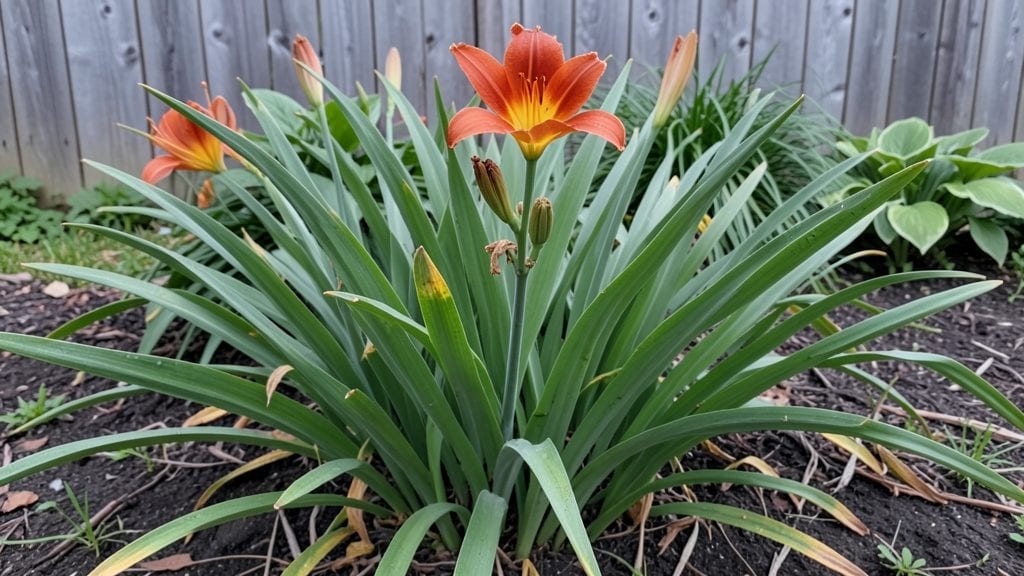
Your front garden plants should do more than just look pretty—they should buzz with life all year long. 🌿 I’ve designed front gardens that draw in bees, butterflies, and hummingbirds while keeping the neighbors talking about their curb appeal, and the secret lies in layering plants that bloom at different times.
The right mix of perennials, shrubs, and annuals ensures color from spring through fall, even when some plants take a seasonal break.
Start with pollinator magnets like coneflowers, bee balm, and lavender—they’re tough, thrive in most climates, and never go out of style.
Add evergreen shrubs like boxwood or dwarf holly for structure, and toss in some seasonal stars like tulips for spring, black-eyed Susans for summer, and ornamental grasses for winter texture. The key? Group plants by their sunlight needs and water requirements to keep maintenance simple.
You’ll end up with a front yard that feels like a living postcard—vibrant blooms in summer, golden foliage in fall, and even winter interest from seed heads and evergreens.
The best part? These plants attract wildlife while requiring less fuss than most garden beds. Ready to make your front garden the talk of the neighborhood?
Works for any yard size, from narrow city lots to spacious suburban plots. The layout tips I’ll share next help you maximize impact with minimal effort—no green thumb required.
📚 In This Guide
- What you need
- Instructions
- Tips and common mistakes
- Wrapping up and next steps
What you need
- ● Native pollinator-friendly plants (5–10 varieties): Perennials: Coneflowers (Echinacea), Black-eyed Susans (Rudbeckia), Lavender (Lavandula) (3–5 plants each)
- ● Annuals: Marigolds (Tagetes), Zinnias, or Cosmos (5–10 plants for quick color)
- ● Shrubs: Butterfly Bush (Buddleia) or Viburnum (1–2 for structure)
- ● Herbs: Mint, Thyme, or Oregano (potted or in-ground for fragrance)
- ○ Soil amendments (optional but helpful): Compost (1–2 bags, 40–60 lbs each) for nutrient-rich soil
- ● Organic mulch (straw or shredded bark, 2–3 cubic feet)
- ● Must-haves: Garden trowel or hand shovel
- ● Pruning shears (bypass type for clean cuts)
- ● Garden gloves (waterproof for comfort)
- ● Watering can or hose with adjustable nozzle
- ● Measuring tape (for spacing plants 12–36" apart)
- ● Nice-to-haves: Wheelbarrow (for hauling soil/mulch)
- ● Knee pads (for long gardening sessions)
- ● Soil pH tester (to ensure plants thrive in your zone)
- ○ Bird feeder or bath (optional but encourages pollinators!)
- ● Know your USDA Hardiness Zone: Choose plants rated for your area (check USDA Plant Hardiness Zone Map).
- ● Sunlight assessment: Measure daily sunlight (6+ hours = full sun; 3–6 = partial; <3 = shade-tolerant picks).
- ● Water source: Ensure easy access (drip irrigation or soaker hoses save time!).
- ● 💡 Pro Tip: Start with 3–5 plants if you’re new—scale up as you gain confidence!
Instructions for designing a pollinator-friendly front garden
Let’s create a front garden that buzzes with life while looking stunning year-round.
🌱 Step 1: Plan Your Plant Placement by Season
Start by sketching your front garden layout, grouping plants by their bloom times. Early spring needs perennials like bleeding heart or heather to kick things off, while summer thrives with black-eyed Susans and coneflowers. Add fall-blooming asters and winter interest with ornamental grasses or evergreens like boxwood. This ensures your garden never looks bare.
Check your space’s sunlight patterns—most pollinator plants need at least 6 hours of sun, but some like foxglove tolerate partial shade. Place sun-lovers in the south or west, while shade-tolerant plants go along the north or east sides. I always mark my sketch with arrows showing sun exposure to avoid mistakes.
☀️ Step 2: Layer Plants for Depth and Pollinator Appeal
Use three height layers to create visual interest: tall back plants like bee balm or Joe Pye weed, mid-height like shasta daisies, and low-growing ground covers such as creeping thyme or ajuga. This structure gives pollinators easy access to flowers at every level while keeping your garden lush and dynamic.
Stagger plant heights by 6-12 inches between layers to avoid blocking sunlight. I like to place taller plants toward the back of beds and shorter ones near walkways or edges. This creates a natural flow and makes maintenance easier—no more tripping over overgrown foliage!
💧 Step 3: Prepare Soil and Plant for Year-Round Success
Amend your soil with 2-3 inches of compost mixed into the top 6 inches of soil to improve drainage and fertility. Pollinators thrive when plants grow strong, and healthy soil is the foundation. Test your soil’s pH—most pollinator plants prefer slightly acidic to neutral (6.0-7.0)—and adjust with lime or sulfur if needed.
Plant in early spring or fall when temperatures are mild. Dig holes twice as wide as the root ball but only as deep. Water deeply after planting to settle the soil and encourage root growth. Mulch with 2-3 inches of shredded bark to retain moisture and suppress weeds—just keep mulch 2 inches away from plant stems to prevent rot.
🌿 Step 4: Maintain for Continuous Blooms and Pollinator Traffic
Water deeply once a week (or more in extreme heat) to encourage deep root growth. Most pollinator plants are drought-tolerant once established, but young plants need consistent moisture. Check soil 1 inch below the surface—if it’s dry, it’s time to water. Avoid overhead watering to keep foliage dry and prevent fungal diseases.
Deadhead spent blooms regularly to prolong flowering and keep your garden looking tidy. I snip off faded flowers with clean pruners, cutting just above a set of leaves or new growth. Leave some seed heads for winter interest and food for birds—goldfinches love them! Fertilize lightly in early spring with a balanced, slow-release fertilizer to support steady growth.
✂️ Step 5: Seasonal Pruning for Health and Beauty
Prune perennials in early spring before new growth appears. Cut back dead or damaged stems to the ground, and thin out crowded growth to improve airflow. For shrubs like butterfly bush, prune lightly in late winter to shape and encourage bushier growth. Avoid heavy pruning in fall—it stresses plants before winter dormancy.
Divide overcrowded perennials every 3-4 years in early spring or fall. Dig up clumps, separate into smaller sections with roots intact, and replant immediately. This rejuvenates plants and gives you free extra plants to share or expand your garden. I always divide peony and daylily this way—they reward you with bigger, healthier blooms!
Tips & tricks for perfect pollinator-friendly front gardens
Creating a front garden that thrives year-round takes a few thoughtful tricks to ensure both beauty and pollinator success.
Seasonal Planting Strategy: In Step 1, when planning your seasonal layout, include native plants whenever possible—they’re the ultimate pollinator magnets. For example, black-eyed Susans and coneflowers attract butterflies, while bee balm draws hummingbirds. I like to add a few late-summer bloomers like asters to bridge the gap between summer and fall. This ensures continuous nectar sources for pollinators throughout all seasons.
Sunlight Mapping: The 6 hours of sunlight mentioned in Step 1 is a great baseline, but I recommend using a simple app or even a flashlight test to map your garden’s sun exposure. Shine a flashlight on your garden at different times of day to see where shadows fall. This helps you place sun-loving plants like bee balm in the brightest spots and shade-tolerant varieties like foxglove in partially shaded areas. I’ve caught myself placing sun-lovers in shaded spots before—don’t make my mistake!
Soil Preparation: When amending your soil with 2-3 inches of compost in Step 3, consider adding a handful of worm castings for an extra nutrient boost. The worms help aerate the soil naturally, which is perfect for pollinator plants that need good root development. I also recommend testing your soil’s pH before planting—most pollinator plants prefer slightly acidic to neutral (6.0-7.0), but some like lupines thrive in more acidic conditions (5.0-6.0). A simple soil test kit from your local garden center makes this easy.
Watering Wisdom: The deep watering once a week in Step 4 works wonders, but I’ve found that watering in the early morning (between 6-9 AM) reduces evaporation and prevents fungal diseases. Use a rain gauge or tuna can to measure your water—aim for about 1 inch of water per week. If you’re using a sprinkler, place it near a dark-colored surface to check coverage. This ensures your pollinator plants get the moisture they need without wasting water.
Pro Tips for Front Garden Plants
- Creating a front garden that thrives year-round takes a few thoughtful tricks to ensure both beauty and pollinator success.
- Seasonal Planting Strategy: In Step 1, when planning your seasonal layout, include native plants whenever possible—they’re the ultimate pollinator magnets.
- Sunlight Mapping: The 6 hours of sunlight mentioned in Step 1 is a great baseline, but I recommend using a simple app or even a flashlight test to map your garden’s sun exposure.
Frequently asked questions
Got questions about transforming your front garden into a buzzing, blooming paradise? Here are answers to the most common queries—so you can get planting with confidence!
What are the best low-maintenance front garden plants for pollinators?
Opt for lavender, coneflowers, or black-eyed Susans—they’re drought-tolerant, hardy, and packed with nectar. Sedum (stonecrop) and Russian sage also thrive with minimal fuss. Pro tip: Pair them with native plants like milkweed to maximize pollinator appeal!
When is the ideal time to plant front garden flowers for year-round blooms?
For spring blooms, plant bulbs (like daffodils or tulips) in fall. For summer/fall color, sow annuals (e.g., zinnias, cosmos) in early spring after the last frost. Perennials (like daylilies) can go in spring or fall. Timing hack: Check your USDA zone for local frost dates!
How do I keep my front garden looking neat without sacrificing pollinator benefits?
Use clumping grasses (like fountain grass) or ornamental grasses (miscanthus) for texture without wild overgrowth. Deadhead spent blooms selectively—leave seed heads on late-season plants (e.g., coneflowers) for winter interest and food. Mulch with wood chips to suppress weeds while retaining moisture.
Can I replace my lawn with pollinator-friendly plants?
Start with ground covers like creeping thyme or clover, then add perennials (e.g., bee balm, goldenrod). For a low-water look, try sedum or ice plant. Design tip: Mix heights and textures for a natural, layered effect—no mowing required!
Why aren’t bees visiting my front garden plants?
Check for pesticides (even "bee-safe" ones can harm pollinators)—opt for neem oil or physical barriers instead. Ensure plants have open blooms (not double-petaled) and shade/water nearby. Plant diversity matters: Aim for 3+ species in clusters to attract a wider range of pollinators.
| Quick Fix | Solution |
|---|---|
| No blooms in summer? | Add annuals (e.g., sunflowers, marigolds) for instant color. |
| Soil too dry? | Mulch with 3–4 inches of organic matter (leaves, bark). |
| Pests attacking plants? | Introduce companion plants (e.g., basil with tomatoes). |
Wrapping up and next steps
Transforming your front garden into a vibrant pollinator haven is easier—and more rewarding—than you think! 🌸 With the right front garden plants, you’ll create a year-round oasis that supports bees, butterflies, and birds while boosting curb appeal.
Start small: pick one or two pollinator-friendly plants, experiment with companion pairings, and watch your garden flourish.
Ready to take the next step? Grab your gardening gloves and sketch a simple layout—even a single sunny patch can make a difference! For inspiration, browse seasonal plant guides or visit local nurseries to see what thrives in your climate. Your garden (and pollinators) will thank you! 🐝✨