Planting
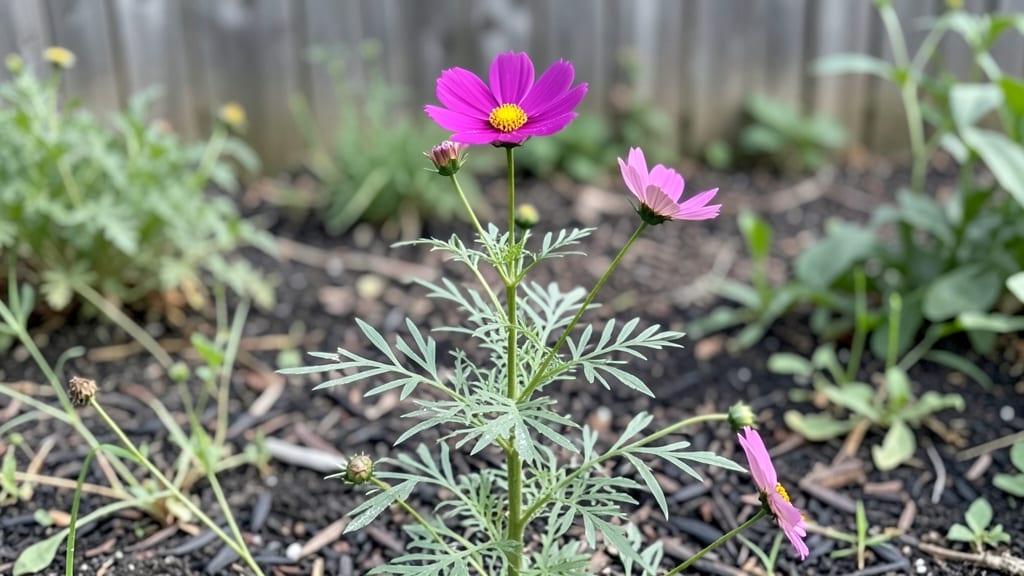
Growing garden cosmos plants turns your yard into a hummingbird highway from summer to frost. ✨ I’ve watched these airy, daisy-like blooms draw clouds of pollinators while requiring almost no effort—just sun, patience, and a light touch.
The secret lies in their effortless nature: they thrive where other flowers struggle, popping up like clockwork if you plant them right.
You’ll need a sunny spot with well-draining soil—cosmos despise soggy feet—and a handful of seeds or transplants by late spring after the last frost. Water them lightly at first, then let them fend for themselves; they’re shockingly drought-tolerant once established.
Within weeks, you’ll see those signature feathery foliage and cheerful blooms in pink, white, or magenta, all while bees and butterflies go wild for them.
The payoff is a garden that stays vibrant until the first frost, with minimal fuss. Cut back spent blooms to encourage more flowers, and watch your cosmos multiply year after year from self-seeding. It’s the kind of plant that makes gardening feel like magic—just scatter, wait, and enjoy the show.
Perfect for borders, cutting gardens, or wildflower patches, these plants adapt to almost any condition. Whether you’re a first-time gardener or a pollinator enthusiast, cosmos deliver effortless beauty with zero guilt. Let’s get those seeds in the ground!
📚 In This Guide
- What you need
- Instructions
- Tips and common mistakes
- Wrapping up and next steps
What you need
- ● Garden cosmos seeds (choose varieties like 'Bright Lights', 'Sensation', or 'Seashells'): 1-2 packets (50-100 seeds each) for a small garden
- ● 3-5 packets for a full border or pollinator-friendly patch
- ● Seed-starting soil mix (if pre-sprouting indoors): 1 small tray (10x20 inches) or biodegradable pots
- ● High-quality potting mix (sterile, well-draining)
- ● Well-draining garden soil (amend with compost if needed): Loamy soil with pH 6.0–7.0 (cosmos thrive in average conditions!)
- ● Planting tools: Hand trowel or small garden fork
- ○ Garden gloves (optional but recommended)
- ● Watering supplies: Watering can or hose with a gentle spray nozzle
- ○ Optional but helpful: Mulch (straw or shredded leaves) to retain moisture
- ● Stakes or cages (for taller varieties like 'Cosmic Orange')
- ● Plant markers (to track varieties if mixing seeds)
- ● Sunlight: Full sun (6+ hours daily) for optimal blooms.
- ● Spacing: 12–18 inches apart for dwarf varieties
- ● 18–24 inches apart for standard cosmos
- ● Timing: Direct-sow seeds after the last frost (cosmos hate cold!)
- ● Or start indoors 4–6 weeks before transplanting (if in a short season).
Step-by-Step instructions for planting and cultivating garden cosmos
Here's how to grow vibrant cosmos that attract pollinators and bloom from summer through frost.
🌱 Step 1: Prepare the Planting Site for Cosmos
Cosmos thrive in well-draining soil with full sun exposure (at least 6-8 hours daily). Choose a location that receives afternoon sun, as cosmos appreciate the warmth. Before planting, loosen the soil to a depth of 12 inches using a garden fork or tiller—this encourages root penetration and prevents waterlogging.
Cosmos are drought-tolerant once established, but they appreciate a fertile growing medium. Work in 2-3 inches of compost or aged manure into the top layer of soil. This boosts microbial activity and provides the nutrients cosmos need for robust growth. If your soil is heavy clay, mix in 1 part sand to improve drainage—cosmos will reward you with stronger stems and more abundant blooms.
🌱 Step 2: Sow Seeds at the Right Time and Depth
Direct-sow cosmos seeds 2-3 weeks after your last frost date, when soil temperatures reach at least 60°F. Cosmos seeds germinate quickly in warm soil, often within 7-14 days, so avoid starting them indoors—they dislike transplanting. Scatter seeds ¼ inch deep and 12 inches apart in rows spaced 18-24 inches apart for optimal airflow.
I like to sow seeds in small clusters rather than single rows, as cosmos self-seed prolifically. Lightly cover the seeds with soil and mist the area with water to keep the surface moist. Avoid heavy watering, which can bury seeds too deeply or dislodge them. Once seedlings emerge, thin them to 12-18 inches apart to prevent overcrowding—this ensures each plant has room to develop strong stems and abundant blooms.
☀️ Step 3: Provide Consistent Water and Sunlight
Cosmos are drought-tolerant once established, but young seedlings need consistent moisture to prevent wilting. Water deeply once a week, aiming for 1 inch of water per week, and adjust based on rainfall. The key is to keep the soil evenly moist but not soggy—cosmos roots rot easily in waterlogged conditions.
Ensure your cosmos receive full sun for the best blooms. If your plants start to stretch or produce fewer flowers, they may need more light. Cosmos are forgiving, though, and will still bloom in partial shade, though the flowers may be smaller. Watch for pale stems or sparse foliage—this is your cue to move them to a sunnier spot.
✂️ Step 4: Deadhead and Maintain for Long-Lasting Blooms
To encourage season-long blooming, deadhead spent flowers by pinching off the faded blooms just above a set of leaves. This redirects the plant’s energy into producing new flowers rather than setting seed. I do this every 2-3 weeks throughout the growing season, and my cosmos keep blooming until the first hard frost.
Cosmos rarely need pruning, but if stems become leggy or flop over, you can trim them back by one-third to encourage bushier growth. Avoid heavy pruning, as cosmos grow quickly and benefit from their natural, airy habit. If you notice yellowing leaves or powdery mildew, space plants further apart to improve airflow—this prevents fungal issues and keeps cosmos healthy.
⏰ Step 5: Harvest Seeds for Next Year’s Garden
When flowers fade, leave a few seed heads on the plant to dry completely. Cosmos seeds are easy to harvest—simply cut the dried seed heads and place them in a paper bag. Shake the bag gently to release the seeds, then store them in a cool, dry place for 1-2 years. The seeds retain viability well, so you’ll have an endless supply for future plantings.
Here’s the thing—cosmos self-seed prolifically, so you’ll likely find volunteers popping up in your garden the following spring. If you want to control where they grow, collect seeds before they drop naturally. Either way, you’ll enjoy a low-maintenance, pollinator-friendly garden that keeps blooming until frost.
Tips & tricks for perfect garden cosmos cultivation
Let me save you from the common pitfalls that turn beautiful cosmos into floppy, underperforming plants.
The Soil Prep Secret: When loosening soil to 12 inches in Step 1, don't just scratch the surface—break up any compacted layers below. I use a garden fork to create vertical channels that encourage deep root growth. This is especially critical if you're working with clay soil, where drainage becomes the biggest challenge. The goal is to create a sponge-like texture that holds moisture without becoming waterlogged.
Timing is Everything: That 60°F soil temperature threshold in Step 2 isn't just arbitrary—it's when cosmos seeds become active. Use a soil thermometer for accuracy, especially in spring when temperatures fluctuate. If you plant too early, seeds may rot; too late, and you'll miss the full bloom season. I've found that planting in small clusters (rather than rows) gives me more flexibility to adjust timing for different microclimates in my garden.
Watering Wisdom: The "1 inch per week" guideline in Step 3 assumes average rainfall. During drought periods, increase to twice weekly watering until plants are established. The key is to water deeply rather than frequently—this encourages roots to grow downward where moisture persists. I use a rain gauge to track accumulation and adjust my watering schedule accordingly. Remember, soggy soil is the enemy of cosmos roots.
Deadheading Strategy: When you're pinching off spent blooms every 2-3 weeks (Step 4), focus on removing the entire flower head down to the first set of leaves. This redirecting of energy is what keeps cosmos blooming until frost. I've noticed that plants deadheaded consistently produce flowers that are 20-30% larger than those left to seed naturally. The secret is timing—do it in the morning when plants are fully hydrated.
Pro Tips for Garden Cosmos Plant
- Let me save you from the common pitfalls that turn beautiful cosmos into floppy, underperforming plants.
- The Soil Prep Secret: When loosening soil to 12 inches in Step 1, don't just scratch the surface—break up any compacted layers below.
- Timing is Everything: That 60°F soil temperature threshold in Step 2 isn't just arbitrary—it's when cosmos seeds become active.
Frequently asked questions
When is the best time to plant garden cosmos?
Garden cosmos thrive in spring (after the last frost) or early summer for late-season blooms. They’re frost-sensitive, so wait until soil temps hit at least 55°F (13°C). For cooler climates, start seeds indoors 4–6 weeks before transplanting. Pro tip: They self-seed easily, so you can also sow directly in fall for surprise spring blooms!
How often should I water garden cosmos?
Keep soil consistently moist (but not soggy) for the first 2–3 weeks after planting. Once established, cosmos are drought-tolerant—water 1–2 times per week in dry spells. Warning: Overwatering can cause root rot. Let the top inch of soil dry out between waterings for mature plants. Morning watering is best to prevent fungal issues.
Why aren’t my cosmos blooming? What’s wrong?
Cosmos won’t bloom if they’re overcrowded, underfed, or stressed. Fix it:
- Deadhead spent blooms to encourage more flowers.
- Space plants 12–18 inches apart for airflow.
- Fertilize lightly with a balanced 10-10-10 formula once at planting.
- Ensure full sun (6+ hours daily)—shady spots = fewer blooms.
Are garden cosmos deer-resistant? What about pests?
Cosmos are deer-resistant (deer usually avoid them!), but they can attract aphids, spider mites, or whiteflies. Prevent pests:
- Plant near strong-scented herbs (like basil or mint) to repel bugs.
- Spray with soapy water for mild infestations.
- Encourage ladybugs—they love aphids!
Can I grow garden cosmos in containers? What’s the best variety?
Try dwarf varieties like ‘Sensation Mix’ or ‘Bright Lights’ (12–18” tall) in 5-gallon pots with drainage. Use a well-draining potting mix and place in full sun. For containers, water more frequently (they dry out faster). Bonus: Their trailing habit makes them perfect for hanging baskets!
How do I save cosmos seeds for next year?
Let some flowers go to seed (the seed heads turn papery brown). Snap off the dried heads, rub them gently to release seeds, and store in a paper envelope in a cool, dry place. Pro tip: Seeds stay viable for 2–3 years! Plant them in spring for a self-sustaining garden.
Wrapping up and next steps
Garden cosmos plants are a low-maintenance, high-reward addition to any pollinator-friendly space! With their vibrant blooms, easy care, and long flowering season, they bring beauty and life to gardens while supporting bees, butterflies, and hummingbirds.
Whether you're a beginner or seasoned gardener, their resilience and charm make them a must-have for effortless seasonal color.
Ready to transform your garden? Start by selecting your favorite cosmos variety, gathering your supplies, and planting them in well-drained soil. Watch your garden come alive with pollinators—and enjoy the show! 🌸🐝