Tools
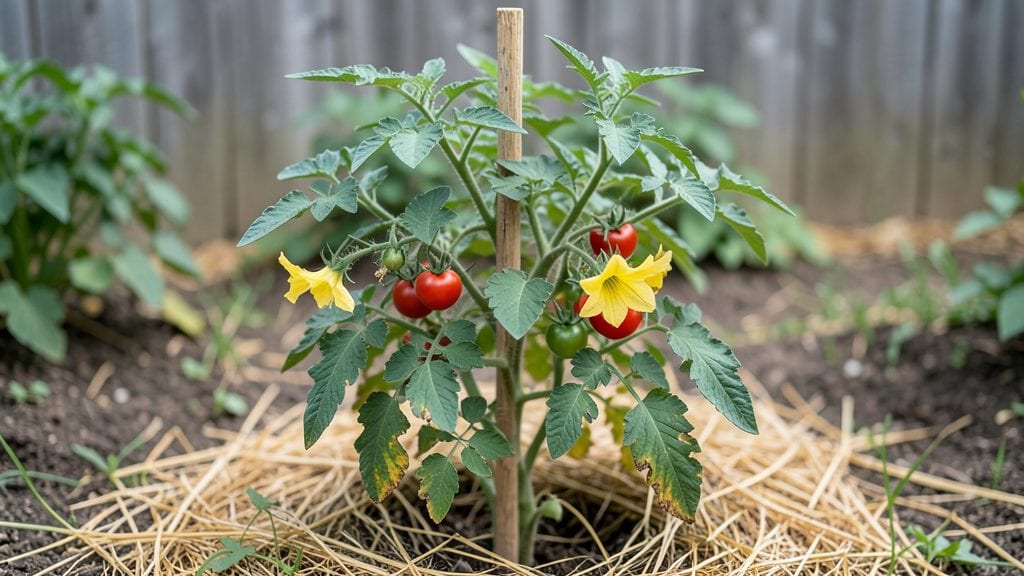
Growing Garden Gem tomatoes means unlocking a tomato flavor so rich and sweet it’ll make you question every store-bought slice you’ve ever eaten. 🌱 These tiny but mighty plants pack a punch—literally—with their 1-inch fruit that bursts with juicy intensity, and they thrive even in small spaces or containers.
I’ve grown them for years, and they’ve never failed to deliver, whether planted in spring or late summer for a fall harvest.
The secret to their success? They’re disease-resistant, so they shrug off common tomato troubles like early blight and fusarium wilt. That means less fuss over spraying and more time enjoying their sugar-kissed flavor.
They love 6-8 hours of sun daily and well-draining soil, but they’re forgiving if you occasionally forget to water—just don’t let them dry out completely. A 5-gallon container is perfect for one plant, making them ideal for balconies or patios.
By mid-summer, you’ll be harvesting pint-sized tomatoes that explode with flavor, perfect for snacking fresh or turning into sauces. The vines stay compact, so pruning is minimal—just pinch off suckers to keep energy focused on fruit production.
With the right care, you’ll have a steady harvest from one plant for weeks, and the taste? Unbeatable. Here’s how to set yours up for success.
These tomatoes are also heat-tolerant, so they perform well in zones 4-10, whether you’re in a cool mountain climate or a hot southern summer. Start seeds indoors 6-8 weeks before last frost, or buy transplants once soil temps hit 55°F.
The key is patience—they grow fast once established, and the payoff is worth every minute. Ready to grow yours?
📚 In This Guide
- What you need
- Instructions
- Tips and common mistakes
- Wrapping up and next steps
What you need
- ● Garden Gem tomato seeds – 1 packet (contains ~10-20 seeds). Opt for organic or heirloom seeds for better flavor!
- ● Containers or garden bed: Containers: 5-gallon pots or larger (at least 12 inches deep) with drainage holes, 1 per plant.
- ● Garden bed: Well-draining soil, 18-24 inches apart for spacing.
- ● High-quality potting mix – 1 bag (look for a blend with compost or aged manure). Avoid garden soil—it’s too dense!
- ● Tomato cages or stakes – 3-4 ft tall, 1 per plant. Sturdy cages (like 5-ft diamond-shaped ones) work best for indeterminate vines.
- ● Slow-release fertilizer – 10-10-10 or organic options like composted chicken manure. Follow package rates for application.
- ● Balanced liquid fertilizer – 1 bottle (e.g., fish emulsion or tomato-specific feed). Dilute as directed during flowering/fruiting.
- ○ Mulch – Straw, shredded leaves, or black plastic (optional but recommended to retain moisture and suppress weeds).
- ● Watering can or hose with a gentle spray nozzle – For even hydration without damaging stems.
- ● Pruning shears – Sharp, clean pair to trim suckers and dead leaves.
- ● Grow lights – For indoor starts or extending the growing season in cooler climates.
- ● Soil moisture meter – Ensures you’re watering just right (Garden Gems hate soggy roots!).
- ● Copper tape or wire – To deter pests like slugs or snails from munching on your vines.
- ● Compost tea or neem oil – Natural boosters for soil health and pest control.
- ● Garden journal – Track progress, watering schedules, and harvest dates for future success!
Step-by-step instructions for cultivating Garden Gem tomatoes
Here’s how to coax vibrant, productive vines from seed to table—no green thumb required.
🌱 Step 1: Start Seeds Indoors with Precision Timing
Plant your Garden Gem tomato seeds indoors 6-8 weeks before your last frost date, using the 2-3 inch deep containers filled with sterile seed-starting mix. Press the mix down gently to remove air pockets, then sow seeds ¼ inch deep—any deeper and they’ll struggle to break through. I like to use a toothpick to make a small hole for each seed, ensuring even spacing.
Cover the seeds lightly with additional mix, then mist the surface with a spray bottle until evenly moist. Place the containers in a seedling heat mat set to 75-85°F—this warmth triggers faster germination. Keep the soil consistently damp (not soggy) until sprouts appear in 5-10 days. If your home runs cooler, a warm spot on top of the fridge works too.
☀️ Step 2: Provide Light and Prevent Leggy Growth
The moment seedlings emerge, move them under a full-spectrum LED grow light positioned 2-4 inches above the plants. Garden Gem tomatoes despise leggy growth—those stretched, pale stems mean weak plants. You’ll know your light is perfect when seedlings grow compact, with dark green leaves spaced 1 inch apart. Adjust the light height as they grow to maintain that gap.
Rotate the containers a quarter turn daily so plants don’t lean toward the light. Without enough light, seedlings will stretch toward windows, and you’ll end up with floppy, unproductive vines. Once true leaves (not the first cotyledons) appear, fertilize lightly with half-strength liquid fertilizer to encourage sturdy stems.
🪴 Step 3: Transplant Outdoors After Hardening Off
Two weeks before your last frost, begin hardening off seedlings by placing them outside in a sheltered, shaded spot for 1-2 hours the first day. Gradually increase outdoor time by 1 hour daily until they can tolerate a full day outside. Garden Gem tomatoes thrive in full sun, so choose a site with 6-8 hours of direct sunlight and well-draining soil.
Transplant seedlings into the garden when nighttime temperatures stay above 50°F. Dig holes twice as wide as the root ball to encourage root spread. Space plants 18-24 inches apart—crowding leads to poor air circulation and disease. Bury stems deeper than usual (up to the first set of leaves) to promote stronger root growth. Water deeply at transplanting to settle the soil.
💧 Step 4: Support Vines and Manage Watering
Garden Gem tomatoes grow vigorously, so install 6-foot cages or stakes at transplanting to support their weight. I prefer cages because they’re easier to work with as vines thicken. Prune suckers (the small shoots that form in the leaf axils) regularly to direct energy into fruit production. Remove any leaves touching the soil to prevent disease.
Water deeply 1-2 times per week, aiming for 1-1.5 inches of water total. Let the soil dry slightly between waterings—consistent moisture prevents blossom-end rot. Mulch with 2-3 inches of organic mulch to retain soil moisture and suppress weeds. You’ll see first flowers in 6-8 weeks, signaling the start of your harvest.
✂️ Step 5: Harvest and Extend the Season
Pick tomatoes when they’re fully colored and slightly soft to the touch—usually 70-80 days after transplanting. Garden Gem varieties produce sweet, flavorful fruits even in cooler climates. To extend harvests, cover plants with frost blankets in fall or grow them in containers that can be moved indoors during cold snaps.
Prune spent vines back in late fall, leaving 2-3 inches of stem above the soil. Compost the debris to return nutrients to the garden. With proper care, Garden Gem tomatoes reward you with prolonged harvests, even in less-than-ideal conditions. Save seeds from your best fruits for next year’s crop!
Tips & tricks for perfect Garden Gem tomato cultivation
Between us, these little details make the difference between a handful of tomatoes and a vine bursting with fruit. I learned these the hard way after watching my first batch of seedlings stretch toward the light like sad little noodles.
Germination Precision: The 75-85°F heat mat temperature is non-negotiable for those first critical days. I've seen seeds take 14 days to germinate in cool homes, but with proper warmth, you'll see sprouts in 5-10 days. Pro tip: Place a small thermometer on the soil surface to monitor—some heat mats run hotter than advertised. If your home stays below 65°F, consider a dedicated seedling greenhouse instead of relying on fridge tops.
Light Strategy: Those 2-4 inches of distance from your full-spectrum LED grow light matter more than you think. I've watched seedlings go from perfect compact growth to leggy nightmares when I forgot to adjust the light as they grew. Here's my trick: Use a ruler to mark the 1-inch leaf spacing goal on your container, then adjust the light to maintain that gap. The moment you see seedlings stretching toward the light, lower it immediately.
Transplant Timing: The 50°F nighttime temperature threshold isn't just about frost—it's about root health. I've transplanted too early and watched my seedlings wilt dramatically. Wait until mornings consistently stay above 50°F before moving them outside permanently. For extra insurance, bury your seedlings deeper than usual—up to the first set of true leaves. This buried stem will grow new roots, creating a stronger plant.
Season Extension: That 70-80 day harvest window can stretch dramatically with simple tricks. For fall harvests, use frost blankets at night and remove them during the day to capture sunlight. In containers? Move them to a sunny windowsill or under grow lights when nights cool. I've kept Garden Gem tomatoes producing until first frost using this method, sometimes getting 30-40% more tomatoes than expected.
Pro Tips for Garden Gem Tomato
- Between us, these little details make the difference between a handful of tomatoes and a vine bursting with fruit.
- Germination Precision: The 75-85°F heat mat temperature is non-negotiable for those first critical days.
- Light Strategy: Those 2-4 inches of distance from your full-spectrum LED grow light matter more than you think.
Frequently asked questions
Got questions about growing Garden Gem tomatoes? You’re not alone! These compact, high-yield plants are a gardener’s dream, but they do come with a few quirks. Below, we’ve rounded up the most common queries—from timing to troubleshooting—to help you grow like a pro.
When is the best time to plant Garden Gem tomatoes?
For warm climates (zones 8+), plant seeds or transplants in early spring (February–March) or late summer (August–September) for a fall harvest. In cooler zones (7 and below), wait until after the last frost (mid-April to June) and use row covers if needed. Garden Gems thrive in 60–85°F soil, so avoid planting until the ground warms up!
How long does it take for Garden Gem tomatoes to produce fruit?
From seed, expect 60–70 days to your first ripe tomato, while transplants may fruit in 45–55 days. These determinate plants produce a bountiful harvest over 2–3 weeks, so plan accordingly! Pro tip: Prune suckers (shoots between stems) to redirect energy to fruit production and speed up ripening.
Why aren’t my Garden Gem tomatoes ripening?
Blame temperature, light, or water stress. Tomatoes need full sun (6+ hours/day) and consistent moisture—especially during flowering/fruiting. If nights dip below 55°F, ripening slows. Try harvesting green and ripening indoors (place near a sunny window or under a grow light) or use a tomato ripening trick: Toss unripe fruit in a paper bag with a banana for 3–5 days.
Can I grow Garden Gem tomatoes in containers?
These compact plants (3–4 ft tall) thrive in 5-gallon containers or larger. Use a lightweight potting mix with added compost, and stake or cage them for support. Key tip: Water containers daily in hot weather—they dry out faster than in-ground plants.
What’s the difference between Garden Gem and other cherry tomatoes?
Garden Gems are determinate (bushy, limited growth) and produce heirloom-style, 1-inch red tomatoes with a sweet, tangy flavor—more complex than hybrid cherry tomatoes. They’re also disease-resistant (V, F, N) and high-yielding, perfect for small spaces. For longer harvests, try indeterminate varieties like ‘Sungold’ or ‘Sweet Million.’
Can I save seeds from Garden Gem tomatoes for next year?
Yes! Since they’re heirloom, seeds stay true to type. Scoop out the gel-like pulp from ripe tomatoes, ferment it in water for 2–3 days (stir daily), then rinse and dry seeds on paper towels. Store in a cool, dry place for up to 3 years. Warning: Avoid hybrid tomatoes (like ‘Sweet 100’) for seed-saving—they won’t grow true.
Wrapping up and next steps
Growing Garden Gem tomatoes is a rewarding journey that brings fresh, flavorful harvests straight to your kitchen! With the right tools, patience, and a few clever hacks, you’ll enjoy bursting vines and homegrown goodness year-round.
Whether you’re a beginner or a seasoned gardener, every bite of that juicy tomato will taste like success.
Ready to take the next step? Start small—plant a few seeds or seedlings this week and watch your garden thrive! Share your progress with fellow gardeners or experiment with new varieties. Happy growing, and may your tomatoes be always plentiful! 🌱🍅