
Trees
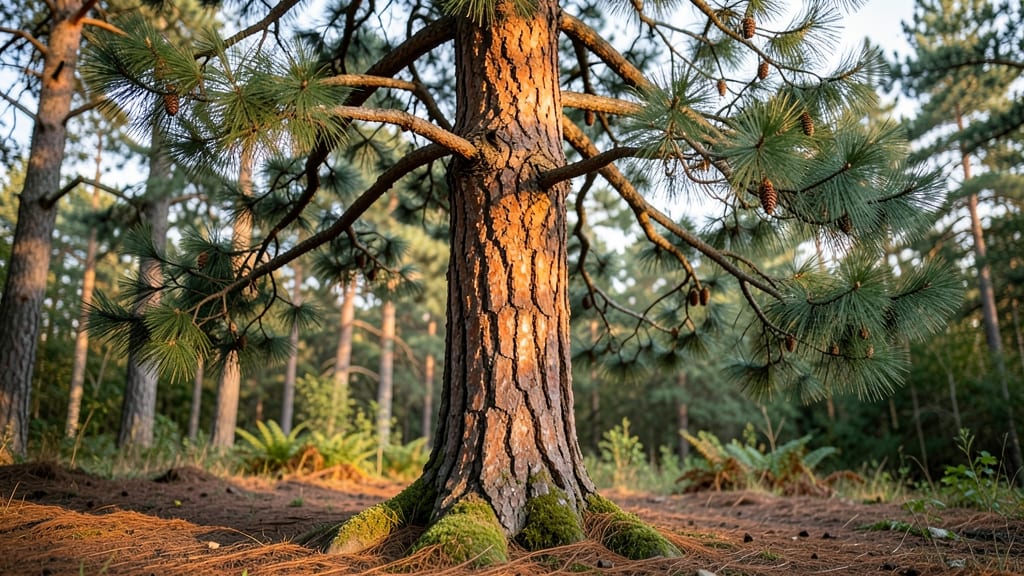
Garden pine trees transform any yard into a lush, evergreen retreat that never loses its charm. 🌲 I planted mine as a privacy screen last spring, and the way they stand tall year-round—needles rustling in winter winds, casting dappled shade in summer—makes them the backbone of my outdoor space.
They’re not just trees; they’re the quiet heroes of landscape design, offering structure, texture, and that fresh, forest-like scent no other plant can match.
The beauty of pines is how versatile they are—whether you want a woodland cottage vibe with soft, natural edges or a modern, sculptural look with pruned shapes, they adapt effortlessly.
Pair them with ferns for a shady nook, boxwood for crisp lines, or wildflowers at their base for a touch of whimsy. My Japanese black pines create a striking contrast against the smooth bark of birch trees, while eastern white pines soften the edges of a contemporary patio. The key?
Choose a variety that fits your climate and space, and let their natural elegance do the rest.
What you’ll love most is how low-maintenance they are once established—no seasonal color changes to worry about, no deadheading, just that consistent, reliable greenery that makes your garden feel like a sanctuary.
A well-placed pine can also double as a windbreak, reduce noise, and even increase your property’s curb appeal. For me, the real magic happens in winter when everything else is bare, and my pines stand guard, undisturbed and proud.
Let’s talk about how to make them work for your space.
From formal hedges to whimsical topiary, the possibilities are endless—whether you’re going for rustic, refined, or somewhere in between. The secret is in the details: spacing, pruning style, and the plants you surround them with.
Ready to add that timeless, evergreen elegance to your garden? Let’s get started with some stylish ideas that’ll make your outdoor space the envy of the neighborhood.
📚 In This Guide
- What you need
- Instructions
- Tips and common mistakes
- Wrapping up and next steps
What you need
- ● Pine tree seedlings or saplings: Choose native or well-adapted species like Pinus sylvestris (Scots pine), Pinus nigra (Austrian pine), or Pinus strobus (Eastern white pine).
- ● Quantity: 1–3 plants per 10 feet of screen (closer spacing = faster privacy).
- ● Size: 1–3 feet tall (younger trees establish roots faster).
- ● Planting site: Full sun exposure (6+ hours/day).
- ● Well-draining soil (pines hate soggy roots!).
- ● Space: 6–10 feet apart for mature height (check species specs).
- ● Soil amendments (if needed): Sand or gravel (1–2 bags) for heavy clay soils.
- ● Compost or pine bark mulch (2–3 cubic feet) to retain moisture.
- ● Tools: Shovel or spade (18–24 inches wide).
- ● Garden trowel (for delicate root handling).
- ● Wheelbarrow (to transport soil/amendments).
- ● Measuring tape (for spacing).
- ● Gloves and knee pads (for comfort!).
- ● Watering supplies: Hose with nozzle (gentle spray setting).
- ● Watering can (for young seedlings).
- ● Fertilizer: Slow-release pine-specific fertilizer (e.g., 10-10-10 NPK) or organic options like bone meal (sprinkle lightly at planting).
- ● Erosion control: Jute netting or straw mulch to protect soil during establishment.
- ● Pest deterrents: Neem oil or diatomaceous earth (prevents pine beetles).
- ● Staking: 3-foot bamboo stakes + soft ties for young trees in windy areas.
- ● Decorative elements: Landscape fabric (to suppress weeds) or garden stones for a polished look.
How to plant and establish healthy garden pine trees
Pines bring year-round structure to any landscape. Here’s how to plant them for long-term success.
🪴 Step 1: Choose the Right Location and Prepare the Soil
Pines thrive in full sun—select a spot with at least 6-8 hours of direct sunlight daily. Avoid low-lying areas where cold air settles, as pines dislike soggy roots. Test your soil’s drainage by digging a 12-inch deep hole—if water pools after 30 minutes, amend the area with 3-4 inches of coarse sand or gravel to improve drainage.
Pines prefer slightly acidic soil (pH 5.0-6.5). If your soil is heavy clay, mix in 2-3 inches of organic matter like composted pine needles or peat moss. The goal is loose, well-draining soil that mimics their natural forest floor. Avoid fresh mulch, which can compact and suffocate roots.
🌱 Step 2: Dig the Planting Hole and Set the Tree
Dig a hole twice as wide as the root ball but only as deep as the container’s bottom. This prevents burying the trunk, which can cause rot. Gently remove the pine from its container and loosen any circling roots with your fingers—pines hate root-bound stress. Place the tree in the hole so the top of the root ball sits 1-2 inches above ground level for proper drainage.
Backfill with native soil, tamping lightly every 2 inches to remove air pockets. Water deeply to settle the soil around the roots. You’ll know it’s right when the soil surface looks slightly firm but not compacted. Avoid fertilizing at planting—pines are slow growers and don’t need extra nutrients right away.
☀️ Step 3: Mulch and Water for the First Critical Months
Spread 2-3 inches of pine bark mulch in a 3-foot diameter circle around the base, keeping it 6 inches away from the trunk. Mulch retains moisture and regulates soil temperature, but too much can smother roots. Water deeply once a week during the first year, ensuring the soil stays evenly moist but not soggy. You’ll see new growth in 3-4 weeks if conditions are right.
Pines are drought-tolerant once established, but young trees need consistent moisture. Check soil moisture by sticking your finger 2 inches deep—if it feels dry, water again. Avoid overhead watering, which can encourage fungal diseases. Instead, use a soaker hose or drip irrigation at the base.
✂️ Step 4: Prune and Maintain for Long-Term Health
Prune only to remove dead, diseased, or crossing branches—pines don’t need regular shaping. Use clean, sharp pruners to make cuts just outside the branch collar. Avoid heavy pruning, as pines produce new growth slowly. The best time to prune is late winter or early spring, before new growth begins.
Fertilize lightly in early spring with a slow-release, acid-loving plant fertilizer (like one formulated for azaleas or rhododendrons). Apply only half the recommended dose the first year. Pines grow best when left undisturbed, so avoid moving or transplanting them once established—they resent root disruption.
⏰ Step 5: Monitor for Pests and Seasonal Care
Watch for pine needle scale, spider mites, or bark beetles—common pests that thrive on stressed trees. Treat infestations early with neem oil or insecticidal soap, following label instructions. Healthy pines are naturally resistant, so focus on proper watering and soil conditions to prevent issues.
In winter, protect young pines from dehydrating winds by wrapping the trunk with burlap if your climate has harsh, dry winters. Mature pines handle cold well, but young trees benefit from this extra care. With proper planting and maintenance, your pines will provide decades of evergreen beauty and privacy.
Tips & tricks for perfectly established garden pines
Here's what I've learned from years of planting pines—and how to avoid the mistakes that kill them.
The Light Factor: That 6-8 hours of sunlight is non-negotiable. I once planted pines in partial shade because I thought they'd be fine, and within two years, they looked half-dead. Pines grow toward light, so if they're not getting enough, they'll stretch awkwardly and develop weak branches. Scout your location at different times of day—morning sun is great, but afternoon shade can sneak up on you.
Root Ball Rescue: When you remove that pine from its container, you'll almost always find circling roots. These are like little nooses around the tree's neck. Take 5 minutes to gently tease them apart with your fingers—this might seem tedious, but it prevents root girdling which can strangle your tree in 3-5 years. If the roots are severely tangled, you can make a few vertical cuts with clean pruners to break the circle.
Watering Wisdom: The once-a-week deep watering in Step 3 is crucial, but timing matters just as much. Water in the morning so the foliage has all day to dry—wet needles at night invite fungal problems. I like to set a reminder for the same day each week so I don't forget. And here's a trick: if you're using a hose, let it run for about 10 minutes per tree—this gives you that deep soaking without guessing.
Mulch Magic: That 2-3 inches of pine bark mulch isn't just decoration—it's insulation. Spread it in that 3-foot circle but keep it 6 inches from the trunk to prevent rot. I've seen people pile mulch right against the trunk, and within a year, the bark starts to rot. Think of it like a donut—cover the roots but leave the center clear. Also, refresh the mulch every spring—it breaks down faster than you think.
Pro Tips for Garden Pine Trees
- Here's what I've learned from years of planting pines—and how to avoid the mistakes that kill them.
- The Light Factor: That 6-8 hours of sunlight is non-negotiable.
- Root Ball Rescue: When you remove that pine from its container, you'll almost always find circling roots.
Frequently asked questions
What’s the best type of pine tree for a privacy screen?
For dense, fast-growing screens, Eastern White Pine or Ponderosa Pine are top picks—they grow tall (50–100 ft) and retain needles year-round. Smaller yards? Try Mugo Pine (compact, 3–6 ft). Always check mature size and spacing needs to avoid overcrowding!
How long does it take for pine trees to form a solid privacy screen?
Pines grow slow to moderate—expect 5–10 years for full coverage, depending on the species. Ponderosa Pines may take longer (10+ years), while Eastern White Pines can close gaps faster (3–7 years). Plant in staggered rows to fill gaps sooner!
Do pine trees need special care after planting?
Yes! Water deeply 2–3 times per week for the first year, then taper to weekly (unless drought hits). Mulch around the base (3–4 inches) to retain moisture, but keep mulch away from the trunk to prevent rot. Pines hate "wet feet"—ensure good drainage!
Are pine trees low-maintenance? What pests should I watch for?
Pines are relatively low-maintenance, but watch for pine beetles (tiny holes in bark), spider mites (yellow needles), or fungus (needle drop). Prune in late winter to remove dead branches and improve airflow. Healthy trees resist pests better!
Can I plant pine trees near my home or power lines?
Check your pine’s mature height and spread—some (like Ponderosa Pines) can reach 100+ feet! Keep them 30+ feet from structures and power lines. Dwarf varieties (e.g., Dwarf Alberta Spruce) are safer for tight spaces. Always verify local regulations!
What’s a good alternative if I don’t want a pine?
For evergreen screens, try Arborvitae (fast-growing, dense), Leyland Cypress (tall and columnar), or Holly trees (ornamental berries). Deciduous options? Bamboo (privacy + texture) or Eastern Red Cedar (tolerates dry soil).
Wrapping up and next steps
Adding garden pine trees to your landscape is a fantastic way to enjoy year-round beauty, privacy, and low-maintenance elegance! 🌲 Whether you’re drawn to their aromatic needles, sturdy forms, or wildlife-friendly traits, these evergreens deliver year after year.
Now that you’ve got the inspiration, tips, and answers to get started, the next step is simple: pick your favorite variety and plant it with confidence.
💡 Pro Tip: Start small—even a single pine can transform a space. Ready to elevate your outdoor oasis? Grab your tools and dig in!