
Planting
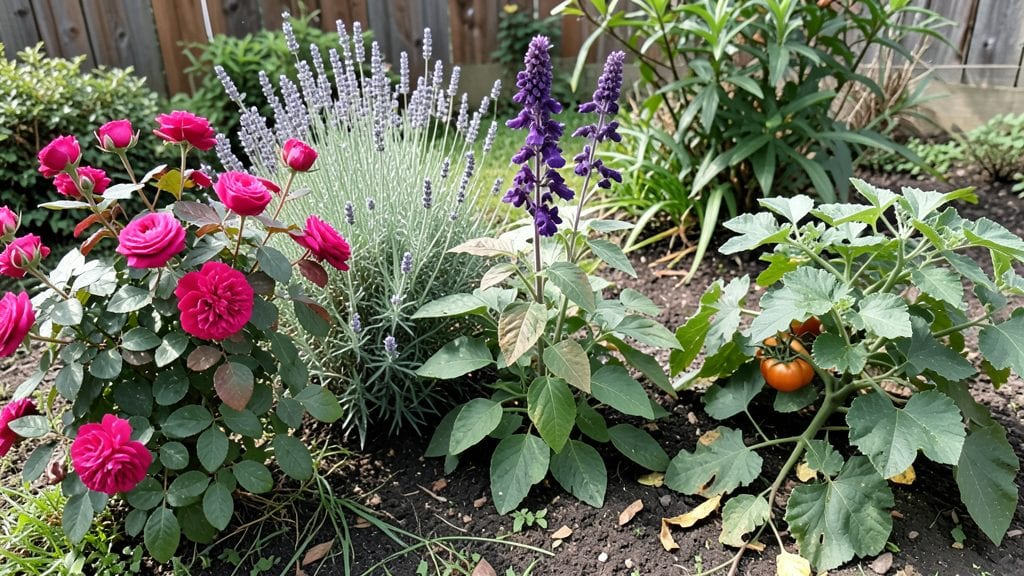
That unnamed plant in your garden could be anything—here’s how to use a garden plant identifier to crack the case. I’ve spent years squinting at leaves and blooms, guessing wrong—until I discovered the right tools to turn "what is this?" into "ah, here’s how to care for it."
The frustration of misidentifying weeds or prized perennials fades fast once you learn the telltale signs: leaf veins, bloom shape, or even the smell when crushed.
Start with your phone’s camera and a free app like PlantNet or PictureThis—upload a photo, and within seconds, you’ll get matches with care tips. For tricky cases, focus on three key details: leaf edges (smooth, serrated, lobed?), flower arrangement (single bloom or cluster?), and stem texture.
My snapdragons nearly became "weeds" until I noticed their square stems and opposite leaves.
Once you’ve got the ID, the next steps are simple: water, sunlight, and soil needs become clear. That "weed" might be a hardy mint you can use in tea, or that odd vine could be a fast-growing clematis ready to climb your trellis. No more guessing—just confident gardening.
Works for beginners and seasoned growers alike, whether you’re sorting out a new landscape or finally figuring out what’s choking your roses. Let’s get those plants named—and thriving—today.
Behind The Misidentification Mix-Up
Even the most seasoned gardeners occasionally stare at a lush green leaf or a vibrant bloom and think, "What in the world is this?" Plant misidentification isn’t just a beginner’s blunder—it happens to everyone.
But why? The answer often lies in a mix of biological quirks, environmental factors, and human perception. Let’s break down the real culprits behind those frustrating "I thought I knew this plant!" moments.
Plants aren’t static—they adapt to their environment, and those adaptations can throw off even the most reliable garden plant identifier tools.
🔬 Genetic Variations & Cultivars
- Why it happens: Some plants, like Hosta or Rudbeckia, have dozens of cultivars with subtle (or dramatic) differences in leaf shape, flower color, or growth habit. A Hosta 'Blue Angel' might look nothing like a Hosta 'Francee', even though they’re the same species.
- Actionable fix: Cross-reference multiple identifiers (apps, field guides, and databases like Missouri Botanical Garden’s Plant Finder) and note unique traits like leaf texture, vein patterns, or flower symmetry.
🌿 Hybrid Vigors & Mutations
- Why it happens: Hybrid plants (like Peonies or Daylilies) can throw unexpected offspring with mixed traits. Even a single plant might sprout a sport—a genetic mutation that creates a new leaf color or flower form.
- Actionable fix: If your plant looks "off," compare it to its parent stock. Take close-up photos of buds, stems, and roots—these often hold the key to identifying hybrids or sports.
🌡️ Environmental Stress Responses
- Why it happens: Heat, drought, or poor soil can cause plants to physiologically change. For example:
- Tomatoes might develop purple stems under stress (not a new species!).
- Marigolds could produce smaller, paler blooms if overcrowded.
- Actionable fix: Observe the plant’s habitat and care history. Is it in full sun when it prefers shade? Has it been underwatered? Adjust conditions and monitor changes over weeks.
Our brains are wired to see what we expect—and that’s a problem when identifying plants.
👀 Focusing on the Wrong Traits
- Why it happens: Many gardeners (and apps) prioritize flowers or leaves, but some plants are identified by fruit, bark, or even scent. For example:
- Poison Ivy is often misidentified because people ignore its three leaflets and smooth edges.
- Wild Bergamot (a mint family member) smells like oregano but might be dismissed if you only glance at its purple flowers.
- Actionable fix: Use the "5-Sense Check" method:
- 👁️ Shape/color of leaves, stems, and flowers
- 👃 Scent (rub leaves or crush stems)
- 🌱 Growth habit (vine, shrub, bulb?)
- 🍃 Edible/poisonous clues (e.g., milky sap = milkweed family)
📱 App & Database Limitations
- Why it happens: AI-powered garden plant identifiers rely on algorithms trained on perfect, labeled examples. Real-world plants?
- Blurry photos (bad lighting = wrong color detection).
- Partial views (only showing flowers, not leaves).
- Regional differences (a "weed" in one state is a prized plant in another).
- Actionable fix:
- Take multiple angles (top, side, close-up of key features).
- Note your location—some plants are native to specific zones.
- Check "similar species" sections in guides for red flags.
📅 Seasonal & Growth Stage Confusion
- Why it happens: A Daffodil looks nothing like itself in March (blooming) vs. September (dying back). Similarly:
- Ferns are unrecognizable as "fronds" until they unfurl.
- Bulbs (like Tulips) might be identified by their leaves alone—but leaves vary wildly between species.
- Actionable fix: Track the plant’s life cycle. Snap photos monthly and compare them to seasonal growth charts (e.g., Gardeners.com’s Plant Encyclopedia).
Where your plant grows matters more than you think.
🌎 Native vs. Invasive Overlaps
- Why it happens: Invasive species (like English Ivy or Kudzu) mimic native plants to survive. For example:
- Garlic Mustard (invasive) has leaves that resemble Wild Ginger (native).
- Japanese Knotweed can be confused for Bamboo in early growth stages.
- Actionable fix: Use regional plant databases (e.g., Invasive Plant Atlas) to cross-check. Note invasive traits like aggressive spreading or lack of natural predators.
💧 Soil & Water Availability
- Why it happens: Plants in wet vs. dry conditions can look entirely different. For instance:
- Mosses thrive in damp areas but shrivel in drought—easy to misidentify as lichen.
- Sedum (succulents) might develop thicker leaves in arid climates vs. softer growth in humid ones.
- Actionable fix: Describe the soil type and moisture level in your identifier search. Terms like "bog plant" or "xeric" (drought-tolerant) narrow it down.
🐛 Pest & Disease Damage
- Why it happens: A plant under attack (e.g., aphids on Roses, powdery mildew on Lilacs) can develop unusual leaf patterns or stunted growth, making it look like a different species.
- Actionable fix: Check for:
- Holes, spots, or webbing (insect damage).
- Fungal growth (black spots, white powder).
- Root issues (mushrooms at the base = possible Armillaria fungus).
When all else fails, use this 3-step method:
- ✅ Rule out the obvious: Is it a common plant in your area? (Check local nursery lists.)
- 🔎 Narrow by traits: Eliminate options that don’t match leaf arrangement, flower structure, or root type.
- 📞 Ask the experts: Post photos to GardenWeb forums or tag #PlantID on Instagram—real humans spot what algorithms miss
Quick fixes for plant ID struggles
Struggling to identify that mysterious plant lurking in your garden? Whether it’s an unexpected leaf shape, a flower you’ve never seen before, or a vine taking over your trellis, the right tools and steps can turn confusion into clarity. Here’s how to solve common plant identification challenges—fast.
If you’re staring at a leaf and thinking, “What on earth is this?”, start with these simple fixes:
📏 Step 1: Measure and Sketch the Basics
- Leaf size & shape: Use a ruler or your phone to note length, width, and margins (smooth, serrated, lobed?).
- Venation pattern: Trace the veins with your finger—are they parallel, netted, or palmate?
- Arrangement: Are leaves alternating, opposite, or in a whorl around the stem?
> 💡 Pro Tip: Snap a photo with a coin or ruler next to the leaf for scale. Apps like LeafSnap or PlantNet can analyze these details instantly.
🌿 Step 2: Check the Stem and Growth Habit
- Is the stem woody, herbaceous, or succulent?
- Does the plant climb, sprawl, or stand upright?
- 🔥 Quick Fix: Compare your notes to a garden plant database with filters for leaf type and growth form.
🛡️ Prevention for Future Confusion
- Label new plants immediately with their name and date.
- Take “plant passports”—photos of leaves, flowers, and bark—when you bring home nursery buys.
Flowers can be the easiest or hardest part to ID—depending on whether they’re showy or tiny. Here’s how to crack the code:
🎨 Step 1: Observe Flower Structure
- Petal count & color: Count the petals (or petal-like parts) and note any stripes, spots, or fragrance.
- Reproductive parts: Are there stamens (male) or pistils (female)?
Their placement matters! - 🍳 Step-by-Step: Use a magnifying glass to inspect tiny flowers. Sketch a quick doodle of the flower’s “face.”
📅 Step 2: Track Bloom Time
- Note when the flower appears (spring, summer, or year-round?).
- ⏰ Quick Fix: Cross-reference bloom seasons with regional plant guides—many flowers only appear for a few weeks!
🌡️ Prevention for Flower ID Fails
- Press a few flowers between heavy books to preserve them for later reference.
- Join local gardening groups—they often share “flower of the month” IDs and regional blooms.
If the plant defies all your guesses, it might be a hybrid, invasive species, or even a houseplant escaped into your yard. Try this:
👨🍳 Step 1: Dig Deeper (Literally)
- Root type: Taproots, fibrous roots, or rhizomes?
Dig carefully near the base. - Scent & texture: Crush a leaf—does it smell citrusy, minty, or nothing at all? - 🔪 Safety First: Wear gloves if the plant has thorns or unknown properties (e.g., poison ivy mimics).
🔍 Step 2: Use Tech to Your Advantage
- Barcode apps: Google Lens or iNaturalist can scan plants in real time.
- DNA testing: For rare or hybrid plants, services like SmartDNA offer lab analysis.
✨ Prevention for “What Is This?!” Moments
- Start a garden journal with photos, bloom dates, and location notes.
- Test soil & light conditions—many “mystery plants” thrive in specific microclimates.
Remember: Even the most seasoned gardeners hit ID roadblocks. The key is to break the plant down into clues—like a botanical detective. With a little practice, you’ll go from guessing to “Ah, that’s a Hosta!” in no time. 🌱🔍
Frequently asked questions
How accurate are free plant identification apps?
Free apps like PlantNet or PictureThis are 80-90% accurate for common garden plants when used correctly. For tricky cases, combine app results with visual cues like leaf arrangement or flower structure. Always cross-check with regional databases for invasive species or rare varieties.
What are the most important features to note when identifying plants?
Focus on these 5 key traits: leaf shape/edges, flower arrangement, stem texture, growth habit (vine/shrub), and scent. For example, square stems = mint family, while milky sap = milkweed. A simple sketch with measurements beats vague descriptions every time.
Can I identify plants from just a leaf or flower photo?
Yes, but include multiple angles and scale references (like a coin). Apps need clear views of both leaves and flowers when possible. Avoid blurry or partial photos—focus on unique features like vein patterns or petal symmetry for better matches.
How do I handle poisonous plant look-alikes?
Never rely solely on apps for toxic plants like poison ivy or oleander. Use the “3-leaflet rule” for poison ivy and check for milky sap (milkweed family). When in doubt, wear gloves and consult local extension services before touching unknown plants.
What should I do if my plant ID keeps coming back as “unknown”?
Try these steps: 1) Check for hybrid traits, 2) examine roots or bark, and 3) post to gardening forums with location tags. Some plants only appear in specific regions. For stubborn cases, consider DNA testing services like SmartDNA for professional analysis.