
Companion Plants
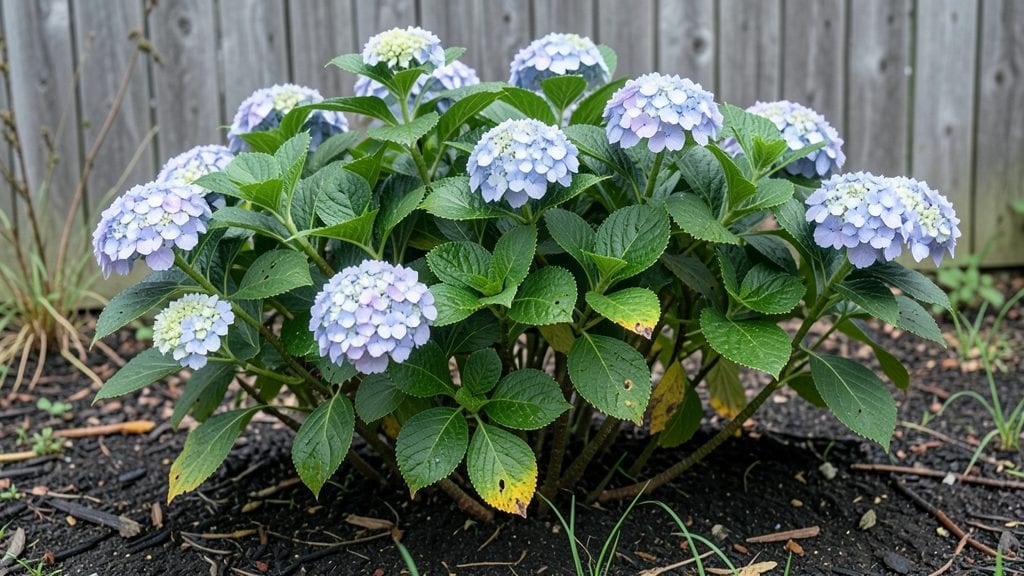
Pollinator-friendly plants and bushes transform your yard into a buzzing, blooming haven that never looks bare. 🌿 I learned the hard way that planting for beauty alone misses the real magic—when bees, butterflies, and hummingbirds turn your garden into an ecosystem.
The right shrubs and perennials ensure flowers appear from spring through frost, while their foliage stays lush even in winter.
Start with a mix of evergreens like dwarf ninebark for structure and butterfly bush for summer color, then layer in perennials like coneflowers and bee balm. These plants thrive in full sun to partial shade and handle average soil—no fancy amendments needed.
Prune shrubs in late winter or early spring, and deadhead perennials to keep blooms coming.
By mid-summer, your garden will be a magnet for pollinators, with vibrant blooms and fragrant foliage that last until frost. The best part? These pairings require minimal upkeep while delivering maximum impact—no green thumb required. Let’s get your yard buzzing with life all season long.
Works in zones 4-9, from small city yards to large suburban plots. The key is layering heights and bloom times for continuous color. Here’s how to make it happen without the overwhelm.
📚 In This Guide
- What you need
- Instructions
- Tips and common mistakes
- Wrapping up and next steps
What you need
- ● Native pollinator-friendly plants and bushes: 3–5 perennials (e.g., Coneflower, Black-Eyed Susan, Bee Balm)
- ● 2–3 shrubs (e.g., Butterfly Bush, Spirea, Serviceberry)
- ● 1–2 trees (e.g., Oak, Apple, Dogwood) for long-term habitat
- ● Soil amendments: 5 lbs compost (for enriching planting areas)
- ● 1 bag organic mulch (e.g., shredded bark or straw)
- ● Watering supplies: 1 garden hose with adjustable nozzle
- ○ 5 gallon watering can (optional for delicate plants)
- ● Hand tools: 1 trowel (for transplanting small plants)
- ● 1 pruning shears (for shaping bushes)
- ● 1 garden fork (for aerating soil)
- ● Safety & organization: 1 pair gardening gloves (waterproof recommended)
- ● 1 wheelbarrow (for hauling soil/mulch)
- ● Plant labels (to track varieties)
- ● Pollinator-friendly accessories: 1 small birdbath or shallow dish (for drinking water)
- ● 1 bee house (for solitary bees)
- ● Seasonal boosters: Slow-release fertilizer (for early growth)
- ● Pest-control sprays (organic options like neem oil)
How to design a pollinator-friendly garden with year-round appeal
Here’s how to create a thriving garden that keeps bees, butterflies, and hummingbirds visiting from spring through fall.
🌱 Step 1: Plan for Seasonal Blooms and Layered Structure
Start by selecting plants that flower at different times—early spring, summer, and fall—to ensure continuous nectar. I like to divide the garden into three layers: tall shrubs for structure, mid-height perennials for texture, and low-growing annuals for color bursts. For example, pair Russian sage (late summer blooms) with bee balm (summer) and heather (early spring). This creates a visual and functional progression that pollinators rely on.
Place taller plants toward the back or center of your garden to avoid blocking sunlight for shorter varieties. A 9-foot butterfly bush makes a stunning focal point, while 3-foot milkweed and 2-foot coneflowers fill in the midground. Leave gaps between plants—18-24 inches apart—so pollinators can navigate easily. Overcrowding forces them to work harder, which reduces their efficiency.
☀️ Step 2: Prioritize Native Plants and Sun Exposure
Native plants are the backbone of a pollinator-friendly garden because they’ve evolved alongside local insects. For instance, purple coneflower attracts monarch butterflies, while black-eyed Susan draws bees and beetles. Check your USDA hardiness zone to select varieties that thrive in your climate—this ensures minimal maintenance and maximum impact. I always cross-reference with local native plant databases to avoid invasive species that can harm ecosystems.
Most pollinator plants need full sun (6+ hours daily), so position them where they’ll receive consistent light. If your garden has shaded areas, opt for shade-tolerant options like astilbe or foamflower, which still support pollinators like bees and syrphid flies. Avoid deep mulch—keep it 2-3 inches thick—so roots can access moisture without suffocating. Too much mulch can also deter ground-nesting bees.
💧 Step 3: Water Deeply and Maintain Healthy Soil
Pollinators need healthy plants, and healthy plants start with proper hydration. Water deeply once or twice weekly, depending on rainfall, until the soil is moist 6 inches down. Use a rain gauge to track moisture—1 inch per week is ideal for most gardens. I water in the early morning to reduce evaporation and fungal risks. Drip irrigation is my go-to because it delivers water directly to roots without wetting foliage, which prevents mildew.
Amend the soil with compost or well-rotted manure before planting to improve drainage and nutrient retention. Pollinator plants often prefer slightly alkaline soil (pH 6.0-7.5), so test your soil and adjust with lime if needed. Avoid synthetic fertilizers—they can harm beneficial insects. Instead, use organic matter like leaf mold or worm castings to feed the soil naturally over time.
✂️ Step 4: Prune Strategically for Continuous Bloom
Deadheading spent blooms encourages more flowers, which means more nectar for pollinators. I prune bee balm and coneflowers by cutting back 1/3 of the stem after they finish blooming. This also prevents self-seeding and keeps plants tidy. For shrubs like butterfly bush, prune in late winter to remove dead wood and shape the plant. Never prune in fall—this removes next year’s flower buds.
Leave some seed heads standing over winter to provide food for birds and shelter for insects. For example, milkweed pods are a vital food source for monarch caterpillars. If you must clean up, do it in early spring before pollinators emerge. Avoid pesticides entirely—even "organic" sprays can be toxic to bees. Instead, handpick pests or use neem oil as a last resort.
🪴 Step 5: Add Pollinator-Friendly Extras
Incorporate elements that support pollinators beyond flowers. A small water source, like a shallow dish with pebbles, gives bees a place to drink without drowning. Place it near plants but away from high-traffic areas. You can also add a bare patch of soil for ground-nesting bees—they prefer open ground over mulch. Avoid smooth surfaces like concrete, which don’t provide grip for nesting.
Plant a few host plants for caterpillars, like milkweed for monarchs or parsley for swallowtail butterflies. These plants complete the life cycle by providing food for larvae. Finally, add a small log or rock pile in a shady spot—this creates microhabitats for solitary bees. Check these areas occasionally to ensure they’re safe and undisturbed.
Tips & tricks for perfect pollinator-friendly garden design
Creating a thriving pollinator garden isn't just about planting flowers—it's about crafting an ecosystem that supports these vital creatures year-round. Here are the key strategies I've learned to maximize impact while keeping maintenance manageable.
Seasonal Layering Secret: The magic happens when you create vertical diversity. In Step 1, when you're planning your three-layer structure, consider adding vining plants like clematis (optional) to the taller layer—they provide both nectar and habitat for pollinators. I've found that adding a 4-foot trellis with morning glories creates an additional vertical layer that hummingbirds particularly love. The key is to ensure each layer has plants that bloom at different times—this creates a "buffet" that keeps pollinators visiting throughout the seasons.
Native Plant Research: Before you finalize your plant selections in Step 2, I can't stress enough how important it is to verify each plant's native status. While black-eyed Susan is native to many regions, some varieties sold in nurseries might be hybrids. Check your local native plant society's database—they often have specific recommendations for your zip code. For example, in my region, goldenrod (a late-season bloomer) is a pollinator magnet, but only the native varieties support local bees. This extra research prevents accidental introductions of invasive species that can harm ecosystems.
Watering Wisdom: The once-or-twice-weekly watering guideline in Step 3 works beautifully, but there's a crucial detail about timing that makes all the difference. I've noticed that pollinators are most active between 10 AM and 3 PM, so watering in the early morning (as recommended) prevents wetting foliage during their peak activity time. This simple adjustment reduces the risk of fungal diseases while keeping your plants hydrated. For containers, I use self-watering pots with 1-inch drainage holes—this ensures consistent moisture without the risk of overwatering.
Pruning Precision: When you're deadheading in Step 4, pay attention to the timing—cut back bee balm and coneflowers only after they've finished blooming completely. I've learned this the hard way: cutting too early removes potential seed heads that provide winter food for birds and shelter for beneficial insects. For butterfly bush, I use sharp pruners to make clean cuts at a 45-degree angle just above a leaf node. This encourages bushier growth and prevents disease from ragged cuts. Always sterilize your pruners with rubbing alcohol between cuts to prevent spreading pathogens.
Pro Tips for Garden Plants And Bushes
- Creating a thriving pollinator garden isn't just about planting flowers—it's about crafting an ecosystem that supports these vital creatures year-round.
- Seasonal Layering Secret: The magic happens when you create vertical diversity.
- Native Plant Research: Before you finalize your plant selections in Step 2, I can't stress enough how important it is to verify each plant's native status.
Frequently asked questions
Got questions about creating a pollinator-friendly garden? You’re not alone! Here are some of the most common queries—and their answers—to help you design a thriving, bee- and butterfly-loving space with confidence.
What are the easiest pollinator-friendly plants for beginners?
Start with low-maintenance favorites like bee balm (Monarda), coneflowers (Echinacea), or butterfly bush (Buddleia). These plants are hardy, drought-tolerant, and attract pollinators effortlessly. Pair them with native wildflowers like milkweed (for monarchs) for instant impact!
When is the best time to plant pollinator-friendly bushes?
For most regions, early spring (after the last frost) or early fall are ideal. This gives roots time to establish before extreme heat or cold. If planting perennials, aim for spring—they’ll bloom the following year. Annuals can go in summer for instant color!
How do I keep bees and butterflies coming back to my garden?
Offer a diverse, year-round food source by layering plants with staggered blooming times (e.g., lavender in summer + heather in winter). Add water sources like shallow dishes with pebbles, and avoid pesticides. Native plants are a game-changer—they’ve evolved with local pollinators!
Can I grow pollinator plants in containers or small spaces?
Opt for compact shrubs like dwarf butterfly bush or potted lavender, and use window boxes for annuals like calendula or basil. Hang pollinator-friendly flowers (e.g., fuchsia) in baskets to maximize vertical space. Just ensure containers have good drainage!
What should I avoid planting near pollinator-friendly bushes?
Steer clear of invasive species (e.g., English ivy or kudzu) or non-native plants that don’t support local ecosystems. Also avoid heavy pesticide use—even "organic" sprays can harm pollinators. Instead, use companion planting (e.g., marigolds to deter pests naturally).
How do I revive a pollinator garden that’s lost its buzz?
Start by removing dead or diseased plants and amending soil with compost. Add new blooms like sunflowers or goldenrod for quick pollinator appeal. Check for water sources and reduce lawn space—more plants = more pollinators! Patience is key; gardens rebound faster than you think.
Wrapping up and next steps
Transforming your garden into a buzzing, blooming haven for pollinators is easier—and more rewarding—than you think! 🌸 By pairing the right garden plants and bushes, you’ll create a thriving ecosystem that keeps your space vibrant year-round.
Start small, experiment with combinations, and watch your garden flourish with color, life, and harmony.
Ready to take the next step? Pick one pollinator-friendly duo from this guide and plant it this weekend—your local bees, butterflies, and hummingbirds will thank you!