
Companion Plants
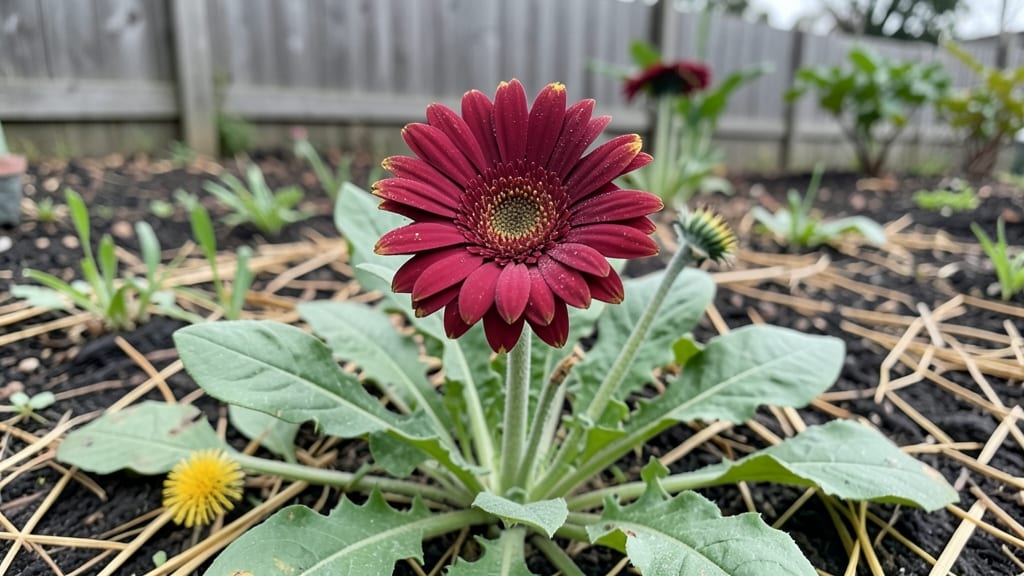
Gerbera daisies transform any garden into a sunlit celebration with their bold, jewel-toned blooms that last from early summer through frost. 🌻 I planted mine along a south-facing border last year, and the effect was like someone had turned up the brightness dial on the whole yard—vibrant reds, oranges, and yellows that never faded, even in the heat.
The secret to their staying power lies in pairing them with the right neighbors. Plant them alongside lacy foliage like ornamental grasses or deep-green perennials such as hostas to make the colors pop.
They thrive in full sun, so avoid crowding them with shade-loving plants, and their cheerful faces will attract butterflies all season long.
By midsummer, you’ll have a nonstop parade of blooms that never look shop-worn, even when cut for bouquets. The key is deadheading spent flowers regularly—it keeps the plant focused on producing more blooms instead of seeds. Plus, the more you cut, the bushier they grow.
Works equally well in formal borders, cottage-style gardens, or even container arrangements on patios. The only rule? Give them room to breathe and plenty of sunlight, and they’ll repay you with color that lasts until the first hard frost.
📚 In This Guide
- What you need
- Instructions
- Tips and common mistakes
- Wrapping up and next steps
What you need
- ● Gerbera daisies: Seeds: 10-20 seeds (if starting from scratch, expect low germination rates)
- ● OR young plants: 3-5 per desired cluster (for faster blooms)
- ● Bulbs (if available): 1-2 per planting hole (check local nurseries)
- ● Well-draining soil: Mix 2 parts garden soil + 1 part compost or peat moss (gerberas hate soggy roots!)
- ● Fertilizer: Balanced (10-10-10) granular fertilizer: 1 lb per 10 sq ft
- ● OR slow-release organic fertilizer (like fish emulsion)
- ● Trowel or small shovel (for digging holes)
- ● Garden gloves (to protect your hands from thorns)
- ● Watering can or hose with a gentle spray nozzle
- ● Mulch (straw or shredded bark): 2-3 inches to retain moisture
- ○ Stakes or plant ties (optional, for windy areas)
- ● Sunlight: Full sun (6+ hours daily) or light shade in hot climates
- ● Climate: USDA Zones 7-11 (or containers for cooler zones)
- ● Watering schedule: Keep soil evenly moist (not waterlogged)
- ● Deadheading: Snip spent blooms to encourage more flowers!
Step-by-Step instructions for planting and maintaining gerbera daisies
Here's how I create a thriving gerbera garden that blooms nonstop from spring to frost.
🌱 Step 1: Select the Perfect Planting Site
Gerbera daisies crave full sun exposure—at least 6 hours daily—so choose a location where they'll receive morning sunlight and afternoon warmth. I always test the spot for at least 3 weeks before planting by observing how quickly soil dries out in summer heat. If the ground stays damp beyond 24 hours, you'll need to improve drainage.
These plants despise soggy roots, so avoid low-lying areas where water pools. Amend heavy clay soil with 2-3 inches of compost mixed into the top 12 inches of soil to create a loose, well-draining medium. The ideal planting bed should feel like a damp sponge when squeezed—not sticky or crumbly.
🪴 Step 2: Plant at the Right Depth and Spacing
Dig holes twice as wide as the gerbera's root ball but only as deep as the container's base. Gently remove plants from their nursery pots and tease apart any circling roots. Place each plant so the top of the root ball sits just below soil level—burying too deep suffocates the crown and causes rot.
Space plants 12-18 inches apart in rows 18-24 inches apart to allow airflow and prevent fungal diseases. I always plant in a staggered pattern (like brickwork) to create a fuller, more natural look. Water each hole thoroughly before inserting plants to eliminate air pockets around the roots.
💧 Step 3: Water Deeply and Establish a Routine
After planting, water deeply until moisture reaches 6-8 inches down. Gerberas establish best when soil stays consistently moist but not waterlogged—think of it as maintaining a damp sponge rather than a swamp. I check moisture by sticking my finger 2 inches into the soil; when it feels dry, it's time to water again.
Once established, gerberas tolerate brief dry spells better than soggy conditions. In summer heat, I water every 2-3 days in the early morning, avoiding evening watering to prevent fungal spores from settling on damp foliage overnight. Mulch with 2-3 inches of organic mulch to retain moisture and regulate soil temperature.
✂️ Step 4: Prune and Deadhead for Continuous Blooms
Remove spent blooms by cutting the stem ½ inch above the next set of leaves to encourage new flower production. I always use clean, sharp pruners to avoid tearing stems, which invites disease. Regular deadheading prevents the plant from wasting energy on seed production and keeps the foliage dense and healthy.
In late summer, when blooms slow, I give gerberas a light trim by cutting back one-third of the tallest stems to encourage bushier growth. This rejuvenates the plant and often triggers a second flush of flowers before frost. Just avoid heavy pruning after midsummer—new growth won't have time to harden off before winter.
☀️ Step 5: Protect and Prepare for Winter
Gerberas are tender perennials in most climates, so I cut back stems to 2-3 inches above ground after the first frost. Apply a 4-6 inch layer of mulch over the crown to insulate roots from freezing temperatures. In colder zones, I mound soil or use frost blankets to protect the base during hard freezes.
With proper winter care, gerberas often regrow from the base in spring. I always wait until soil temperatures reach 55°F before removing winter protection and resuming regular care. This timing ensures the plants emerge strong and start blooming earlier than new transplants.
Tips & tricks for perfect gerbera daisy planting and care
These insights will help you transform your garden into a vibrant gerbera haven that thrives all season long.
The Site Selection Secret: That 3-week test period in Step 1 is worth every minute—it reveals your soil's true behavior under summer conditions. I've seen gardens fail when people skipped this step because they assumed their soil would drain properly. Pay special attention to how quickly water evaporates after rain; this tells you more about drainage than any soil test. If you notice water pooling in low spots even after 24 hours, consider creating raised beds or installing French drains before planting.
Root Ball Rescue: When removing gerberas from their nursery pots, I always run my fingers through the root ball to gently separate any circling roots. These roots can strangle the plant if left intact, preventing proper nutrient absorption. After loosening them, I give the root ball a quick soak in water for 5 minutes before planting—this jumpstarts hydration and helps reduce transplant shock. The key is to handle the roots gently but thoroughly, like untangling delicate yarn.
Watering Wisdom: The "damp sponge" analogy in Step 3 is perfect, but here's the practical test: After watering, stick your finger 2 inches deep—if it feels dry at that depth after 24 hours, you're not watering deeply enough. I've found that using a moisture meter (about $20) eliminates guesswork entirely. For established plants, I set a timer to water every 2-3 days at dawn, which prevents fungal issues and gives foliage time to dry before evening humidity sets in.
Winter Survival Strategy: That 55°F soil temperature threshold in Step 5 is critical—it's when roots become active again. I always check soil temperature with a simple thermometer before removing winter protection. In my zone 6 garden, I've had gerberas emerge from dormancy as early as mid-April when soil hit 55°F, producing blooms weeks ahead of new transplants. Pro tip: Mark your winter-protected plants with stakes so you don't accidentally dig them up when clearing debris in spring.
Pro Tips for Gerbera Garden Plants
- These insights will help you transform your garden into a vibrant gerbera haven that thrives all season long.
- The Site Selection Secret: That 3-week test period in Step 1 is worth every minute—it reveals your soil's true behavior under summer conditions.
- Root Ball Rescue: When removing gerberas from their nursery pots, I always run my fingers through the root ball to gently separate any circling roots.
Frequently asked questions
Got questions about growing gerbera garden plants? You’re not alone—these vibrant blooms are full of surprises! Here are answers to the most common queries to help you cultivate a thriving gerbera garden with confidence.
How often should I water gerbera daisies?
Water gerberas deeply but infrequently—about 1-2 times per week, depending on your climate. Let the top inch of soil dry out between waterings to prevent root rot. Morning watering is ideal to reduce fungal risks. Pro tip: Use a drip irrigation system to keep foliage dry!
When is the best time to plant gerbera daisies?
Plant gerberas in spring or early summer after the last frost when soil temperatures reach at least 60°F (15°C). They thrive in warm weather and can’t tolerate freezing temps. For containers, you can start them indoors 8-10 weeks before the last frost.
Are gerbera daisies good for pollinators?
Absolutely!
Gerberas are a pollinator magnet, attracting bees, butterflies, and beneficial insects. Their bright blooms and nectar make them a must-have for eco-friendly gardens. Pair them with lavender or cosmos for extra buzz!
Why are my gerbera leaves turning yellow?
Yellow leaves usually signal overwatering, poor drainage, or nutrient deficiencies. Check your soil—it should drain well and not stay soggy. Adjust watering and consider a balanced fertilizer (like 10-10-10) every 4-6 weeks. Pro tip: Yellow edges? It might be salt buildup—flush soil with water!
Can I grow gerberas in containers?
Yes! Gerberas thrive in containers 6-12 inches deep with drainage holes. Use a well-draining potting mix and repot every 2-3 years to refresh nutrients. Place pots in full sun (6+ hours/day) for the best blooms. Pro tip: Add perlite to mix for extra aeration!
Do gerberas need full sun?
Ideally, yes! Gerberas love full sun (6+ hours/day), but they can tolerate partial shade (4-6 hours) in hot climates. Too much shade = fewer blooms. If growing in Zone 9+, provide afternoon shade to prevent wilting.
Wrapping up and next steps
Gerbera daisies are a bright, low-maintenance way to transform your garden into a pollinator paradise! With their vibrant blooms and easy care, they’re perfect for adding year-round color while supporting bees, butterflies, and hummingbirds. Whether you’re a beginner or a seasoned gardener, these cheerful flowers make gardening effortless and rewarding.
Ready to plant your own gerbera garden? Start small—pick a sunny spot, gather your supplies, and dive in! Your garden (and local pollinators) will thank you. 🌼✨