Blooming
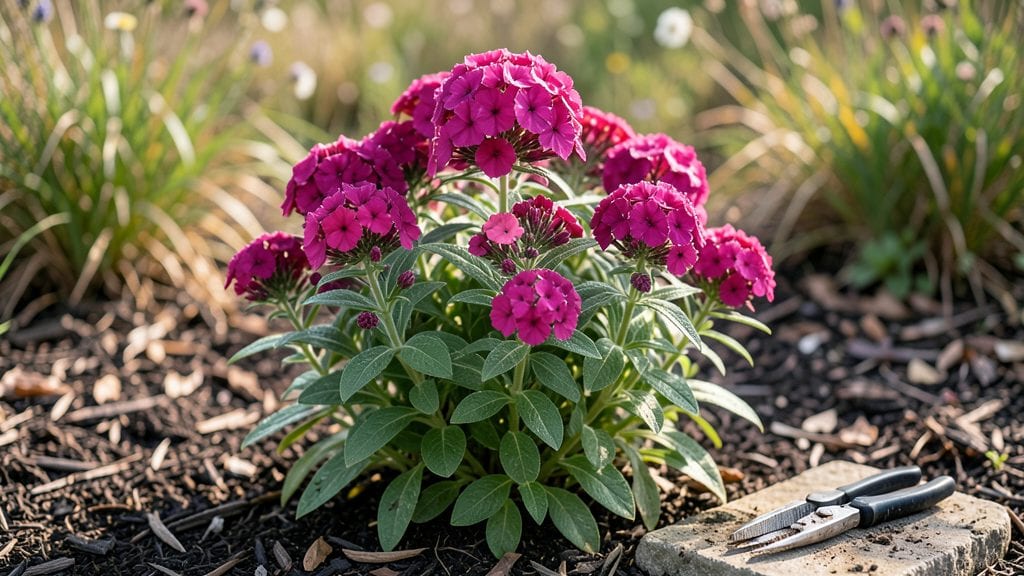
Garden phlox blooms in mid-to-late summer 🌸, turning your yard into a fragrant cloud of color—but only if you time it right.
If you love vibrant summer gardens, garden phlox is a must-have—but knowing exactly when it blooms (and how to stretch that bloom time) can mean the difference between a fleeting burst of color and weeks of stunning floral displays.
In Zone 6a, most varieties light up gardens from July to September, but cooler climates or shade can push that window earlier. The key to maximizing those showstopping blooms? A few simple tweaks to sunlight, soil, and deadheading that most gardeners overlook.
Here’s how to align your planting, care, and seasonal tricks with phlox’s natural bloom cycle—so you get longer color, fewer pests, and a garden that stays lively all season.
When does garden phlox bloom? Ideal seasons and varietal differences
Garden phlox is one of summer’s most beloved perennials, but its bloom time varies dramatically depending on the variety and your USDA zone.
Most gardeners expect phlox to shine in late June through August, but with the right selection, you can stretch that window from early June to early September. The key lies in choosing early-, mid-, and late-season bloomers that complement each other.
For example, David phlox (Phlox paniculata) typically blooms later in the season, while garden phlox (Phlox drummondii) often starts earlier. If you live in USDA zones 3-5, expect blooms to begin 2-3 weeks later than in warmer zones like 7-9.
Understanding these differences lets you create a continuous color show from early summer to fall.
Here’s how to align your garden phlox varieties with your climate for maximum impact:
🌸
In USDA zones 3-5, where summers are shorter, focus on early and mid-season varieties like Phlox divaricata and Phlox paniculata. These thrive in cooler climates and often bloom 3-4 weeks earlier than their southern counterparts.
For zones 6-9, you can mix late-season phlox with annual varieties to create a seamless transition from July to September.
For example, in Zone 7, planting Phlox divaricata in early spring ensures blooms by late May, while adding Phlox maculata extends your display into August. In Zone 9, where summers are longer, you can even push blooms into early September with proper deadheading and consistent watering.
One of my favorite tricks is pairing tall garden phlox (like Phlox paniculata 'David') with shorter varieties (like Phlox subulata) to create a layered look. The shorter phlox blooms first, followed by the taller varieties, creating a staggered visual effect that keeps your garden dynamic.
Light exposure also plays a critical role. While phlox thrives in full sun, varieties in USDA zones 7-9 may benefit from afternoon shade to prevent wilting. In contrast, Zone 3-5 phlox often handles full sun better, as cooler temperatures reduce heat stress.
Always monitor your plants’ leaf color—yellowing can signal too much sun, while pale blooms may indicate insufficient light.
If you’re new to phlox, start with 3-5 varieties spaced 12-18 inches apart. This gives you flexibility to experiment with bloom times while maintaining a cohesive garden design. For instance, a mix of early, mid, and late phlox in a 5-foot-wide border can provide 8-10 weeks of continuous color.
🌿
5 Proven techniques to extend garden phlox bloom time naturally
Garden phlox typically bursts into color from mid-July to early September, but with the right care, you can stretch that vibrant display for 4-6 extra weeks. The secret lies in understanding how to delay senescence—the natural aging process that causes blooms to fade.
By combining pruning techniques, soil nutrition, and watering discipline, you’ll encourage reblooming cycles that keep your garden looking fresh well into fall.
Many gardeners assume phlox blooms are a one-time summer spectacle, but reblooming varieties like Phlox paniculata can produce second flushes with minimal intervention. The key is timing: deadheading at the right moment, feeding the roots with phosphorus-rich fertilizer, and avoiding common pitfalls like overwatering or crowding.
Let’s dive into the science-backed methods that transform phlox from a fleeting summer star into a season-long showstopper.
- Deadhead daily: Snip spent blooms below the first set of leaves to redirect energy to new flower buds. Morning deadheading prevents seed formation and encourages reblooming cycles.
- Fertilize in stages: Apply a balanced 10-10-10 fertilizer at planting, then switch to low-phosphorus (5-10-5) when buds form. Avoid nitrogen-heavy feeds after mid-summer to prevent leafy growth over blooms.
- Water deeply but infrequently: 1 inch per week at soil level (not overhead) prevents fungal diseases like powdery mildew, which weakens stems and shortens bloom time.
- Prune for airflow: Cut back 1/3 of the plant height in early spring to thin crowded stems. This reduces humidity buildup and allows sunlight to reach lower buds.
- Mulch strategically: Use 2-3 inches of organic mulch (like shredded bark) to retain moisture and regulate soil temperature. Remove mulch in late summer to prevent root rot before fall.
One of the most overlooked factors in extending phlox bloom time is soil pH. These plants thrive in slightly acidic to neutral soil (pH 6.0-7.0). If your soil tests higher, amend it with peat moss or sulfur—this boosts phosphorus uptake, which directly fuels flower production.
I once had a pink phlox clump that bloomed for 8 weeks straight after adjusting the pH and adding bone meal at the base.
For reblooming success, focus on late-summer care. After the first flush of blooms fades (usually by mid-August), give your phlox a light trim and a second fertilizer boost with low-nitrogen, high-phosphorus formula.
This signals the plant to shift energy from seed production to new flower buds. Pair this with consistent morning watering to prevent stress—phlox roots are shallow, and even slight drought can trigger early dormancy.
Pro tip: Plant phlox in drifts rather than single rows to create microclimates that extend bloom times. Taller varieties (like David) should face north to avoid shading shorter types (like Emerald Blue), while dwarf phlox can spill over edges for continuous color.
This layered approach ensures some blooms are always in peak season while others prepare for the next cycle.
By combining these techniques, you’ll transform your phlox from a one-season wonder into a garden staple that keeps your landscape vibrant from July through October. The best part? These methods are low-cost, chemical-free, and work for both perennial and annual varieties.
Start with just one technique this season—like daily deadheading—and watch your phlox rebloom like never before.