Landscaping
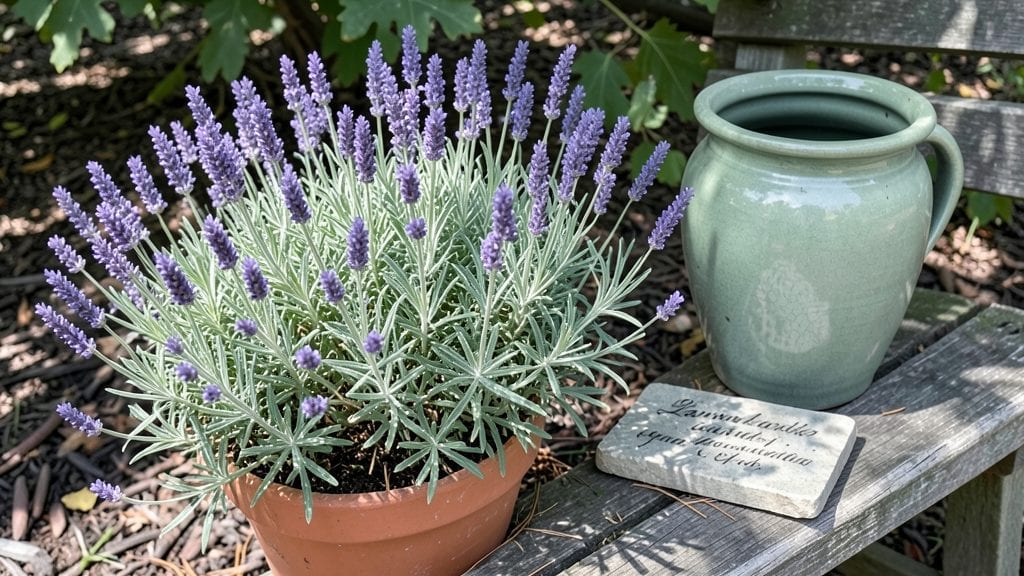
Designing a cremation garden means weaving memories into living plants that grow stronger with each season. 🌿 I learned the hard way that the best memorials aren't just about pretty flowers—they're about plants that last, that tell stories, and that let you sit quietly among them.
The right perennials and evergreens create a space that feels both peaceful and enduring, no matter the weather.
Start with plants that carry meaning—lavender for calm, roses for love, or sunflowers for joy—while also being tough enough to handle foot traffic and seasonal changes. Natural stone paths and simple benches add structure without overwhelming the space, and engraved markers let you personalize each corner.
The key is balancing beauty with practicality so the garden stays vibrant for years, not just seasons.
You'll end up with a space that feels like a quiet conversation with those you've lost. The scent of blooming herbs, the rustle of leaves in the breeze, even the way sunlight filters through certain trees—these become the language of your memories.
Every visit will feel like coming home, not just paying respects.
Works for any yard size, from a small corner plot to a sprawling backyard retreat. The design adapts to your climate and the stories you want to tell through plants. Here's how to make it happen—step by thoughtful step.
📚 In This Guide
- What you need
- Instructions
- Tips and common mistakes
- Wrapping up and next steps
What you need
- ● Soil & Mulch: 1–2 cubic yards of high-quality topsoil (adjust based on garden size)
- ● 1–2 bags of organic mulch (e.g., cedar chips or composted bark)
- ● Plants & Symbolic Flora: Perennials (e.g., lavender, roses, lilies, or sunflowers—symbolizing remembrance, love, or hope)
- ● Shrubs or small trees (e.g., cherry blossoms, cypress, or olive trees for longevity)
- ● Herbs (e.g., rosemary for remembrance or basil for protection)
- ● 5–10 native plants (low-maintenance and eco-friendly)
- ● Hardscape Elements: 1–2 urn displays (ceramic, stone, or metal—weather-resistant)
- ● 3–5 garden stones or pavers (for pathways or borders)
- ○ Optional: custom bench or memorial plaque (engraved with names or dates)
- ● Tools: 1 shovel (for digging)
- ● 1 garden trowel (for planting)
- ● 1 pruners (for trimming)
- ● 1 wheelbarrow (for transporting materials)
- ● 1 measuring tape (for layout)
- ● 1 level (for even surfaces)
- ● Solar-powered garden lights (for evening ambiance)
- ● Wind chimes or a small fountain (for soothing sounds)
- ● Seasonal flowers (e.g., daffodils for spring or chrysanthemums for autumn)
- ● Weather-resistant signage (e.g., engraved wood or metal plaques)
- ● Check local regulations (some areas restrict certain materials or designs in memorial spaces).
- ● Test soil pH (adjust with lime or sulfur if needed for plant health).
- ● Plan for drainage (avoid waterlogging with a slight slope or gravel base).
- ● Consider climate zones (choose drought-resistant plants for arid areas or cold-hardy varieties for winters).
Step-by-Step instructions for designing a cremation garden
Turn a cherished memory into a living tribute with this thoughtful approach.
🌱 Step 1: Choose a Meaningful Location
Select a spot that holds personal significance—perhaps near a favorite tree, along a peaceful path, or where sunlight filters through the canopy at a specific time of day. I always consider the natural light patterns: 6+ hours of sun for drought-tolerant plants, or dappled shade for delicate flowers. Test the area for moisture levels by digging a small hole—if water pools after 30 minutes, you'll need raised beds or amended soil.
Think about accessibility too. A gently sloping area makes maintenance easier for future visits, while a flat space allows for easy placement of memorial markers. I like to sketch the space first, marking where each plant will go based on its mature size—this prevents overcrowding and ensures every plant has room to thrive.
🌿 Step 2: Select Plants with Symbolic Meaning
Choose plants that reflect the person's life, beliefs, or favorite colors. For example, lavender symbolizes devotion, roses represent love, and sunflowers embody joy. I always include at least one evergreen like boxwood or juniper for year-round structure, paired with seasonal blooms like peony or hydrangea for color.
Consider the garden's long-term care too. Opt for native plants—they require less water and thrive in your local climate. If the space gets full sun, pair sun-loving plants like coneflowers with shade-tolerant options like hostas for contrast. I like to group plants by their care needs to simplify maintenance.
🪴 Step 3: Plan the Layout for Harmony
Start with a focal point—perhaps a memorial stone, a small bench, or a scattering of ashes in a designated area. Arrange plants in odd-numbered clusters (3, 5, or 7) for a natural, balanced look. Tall plants like ornamental grasses or lilacs should go toward the back, while shorter flowers like marigolds or pansies can fill the front.
Leave pathways wide enough for easy access—2-3 feet is ideal. I like to incorporate stepping stones or gravel paths to define the space without overwhelming it. Add a small water feature, like a bubbling rock fountain, to create a soothing atmosphere. If space allows, include a seating area where visitors can reflect quietly.
✂️ Step 4: Prepare the Soil and Plant
Test your soil's pH and amend it as needed—most memorial gardens thrive in 6.0-7.0 pH. Mix in 2-3 inches of compost to improve drainage and fertility. For areas with heavy clay, I recommend adding 1/3 perlite or sand to the top 6 inches of soil to prevent compaction.
Plant in the early morning or late afternoon to avoid stressing the roots. Water deeply after planting to settle the soil, then mulch with 2-3 inches of organic mulch to retain moisture and suppress weeds. I always label plants with their names and meanings—this adds a personal touch and makes future care easier.
💧 Step 5: Maintain with Intention
Water deeply 1-2 times per week, depending on rainfall, until plants are established (usually 6-8 weeks). Use a drip irrigation system or soaker hose to deliver water slowly at the base of plants—this prevents waste and keeps foliage dry, reducing disease risk.
Prune regularly to encourage healthy growth and shape. Remove spent blooms to prolong flowering seasons and keep the space tidy. I like to visit the garden monthly to check for weeds, adjust mulch, and ensure plants are thriving. This ongoing care turns the garden into a living, evolving memorial.
Tips & tricks for creating a meaningful cremation garden
These thoughtful strategies will help you transform your garden into a lasting tribute that honors memories while thriving for years to come.
The Location Test Matters: When testing soil moisture in Step 1, use a small trowel to dig a hole about 6 inches deep. The 30-minute wait is crucial—if water remains after this time, your soil drains poorly. This simple test prevents future waterlogging that could harm delicate memorial plants. Consider using raised beds if drainage is poor, as they provide better control over soil composition.
Symbolic Plant Pairing: In Step 2, don't just focus on individual plant meanings—think about how they'll interact. For example, pair lavender (calming) with roses (love) near a seating area to create a peaceful reflection space. I've found that grouping plants by their care needs (like sun exposure) makes maintenance easier while keeping the symbolic connections intact.
Layout Harmony Tip: For Step 3's odd-numbered clusters, start with your focal point first, then work outward. Place taller plants like lilacs or ornamental grasses toward the back of clusters to create natural layers. This approach prevents visual clutter while maintaining the garden's symbolic flow. Remember, pathways should be at least 2-3 feet wide—not just for accessibility, but to create clear visual breaks between plant groupings.
Soil Prep Secret: When amending soil in Step 4, mix compost and perlite/sand thoroughly—don't just sprinkle on top. The goal is to create a uniform growing medium throughout the top 6 inches. I like to use a garden fork to gently turn the soil while mixing, which helps break up compacted areas without disturbing the root systems of existing plants nearby.
Pro Tips for Cremation Garden Design
- These thoughtful strategies will help you transform your garden into a lasting tribute that honors memories while thriving for years to come.
- The Location Test Matters: When testing soil moisture in Step 1, use a small trowel to dig a hole about 6 inches deep.
- Symbolic Plant Pairing: In Step 2, don't just focus on individual plant meanings—think about how they'll interact.
Frequently asked questions
Got questions about creating a cremation garden? Here are some of the most common ones—and their thoughtful answers—to help you design a space that honors memory with intention and beauty.
What are the best plants to include in a cremation garden?
Choose plants with personal or symbolic meaning—like roses for love, lavender for peace, or sunflowers for joy. Native plants require less upkeep and support local ecosystems. Consider drought-resistant options if your climate is arid.
How long does it take to design and plant a cremation garden?
Timing varies! A simple design with existing plants can be ready in a weekend, while a custom layout with new flora may take 2–4 weeks. Factor in soil prep, plant selection, and any hardscaping (like benches or pathways). Start small if needed—even a single urn and a few plants create a meaningful space.
Can I scatter ashes in a cremation garden?
Yes! Many people choose to scatter ashes directly in the soil or mix them into mulch. If you’re unsure, check local regulations—some areas require permits for open-air scattering. For a more structured approach, use biodegradable urns or plant urns designed for in-ground placement.
What’s the difference between a cremation garden and a memorial garden?
A cremation garden is specifically designed to incorporate ashes—often with plants that thrive in urns or scattered soil. A memorial garden may include ashes but focuses more broadly on remembrance, with features like statues, engraved stones, or shared spaces. Both can blend personal and communal tributes.
How do I keep the garden maintained without it feeling like a chore?
Opt for low-maintenance plants like succulents, ornamental grasses, or perennials that return yearly. Add mulch to retain moisture and suppress weeds. Consider installing a drip irrigation system or grouping plants with similar water needs. A small, well-designed space is easier to care for than a sprawling one.
Can I involve family in the design process?
Collaborating with loved ones can make the garden even more meaningful. Assign roles—like choosing plants, selecting colors, or writing inscriptions—and document the process with photos or a journal. Shared memories become part of the garden’s legacy.
Wrapping up and next steps
Designing a cremation garden is a deeply personal way to honor a loved one while creating a serene, meaningful space. By incorporating symbolic plants, thoughtful materials, and intentional layout, you turn grief into beauty—crafting a living tribute that grows with time.
Whether you’re just starting or refining your vision, every step brings you closer to a garden that feels uniquely theirs.
Ready to bring your vision to life? Start small—sketch a rough layout, research local flora, or even plant a single symbolic tree today. The journey begins with a single seed 🌱!