Size
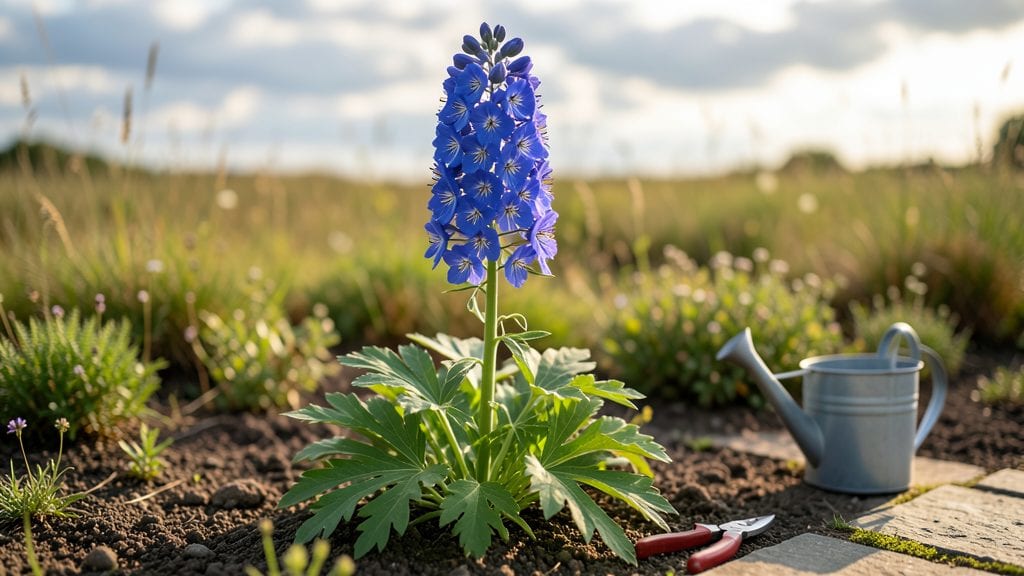
Tall garden plants can turn a flat yard into a layered masterpiece. ✨ I used bamboo and sunflowers to create a natural privacy screen that feels like a retreat—not just a fence. The right tall plants add height, texture, and even fragrance while solving problems like noise reduction or windbreaks.
Fast-growing options like sunflowers or hollyhocks bloom in 60-90 days, while evergreens like arborvitae provide year-round structure. Climbers such as clematis or wisteria need trellises but repay you with cascading color.
Most thrive in full sun, but some—like tall ferns—prefer shade. Spacing matters too: give bamboo 5-6 feet of room to avoid crowding.
You’ll end up with a garden that feels dramatic yet effortless, where every season brings new heights. Tall plants also hide unsightly views, frame entryways, or create cozy nooks. Just watch for floppy stems—staking or pruning keeps them upright without sacrificing their grand presence.
Works for small urban yards or sprawling estates—just adjust spacing and support. The key is balancing speed, structure, and style. Ready to grow up?
📚 In This Guide
- What you need
- Instructions
- Tips and common mistakes
- Wrapping up and next steps
What you need
- ● Tall garden plants: Choose 3–5 varieties (e.g., sunflowers, hollyhocks, or bamboo) based on your climate and sunlight needs.
- ● High-quality potting soil: 2–3 bags (10–15 lbs each) for containers or amended garden beds.
- ● Organic compost: 1–2 bags (5–10 lbs) to enrich soil and improve drainage.
- ● Slow-release fertilizer: 1 bag (10–20 lbs) for nutrient-rich growth.
- ● Garden gloves: 1 pair (for protection and grip).
- ● Trowel or spade: 1–2 (for digging and transplanting).
- ● Watering can or hose with nozzle: 1 (for deep, even watering).
- ● Measuring tape: 1 (to mark spacing—aim for 18–36 inches apart, depending on plant size).
- ○ Stakes or trellis (optional): 3–5 (for support, especially for climbing plants like clematis or morning glories).
- ● Mulch: 1 bag (for moisture retention and weed control).
- ● Decorative stones or edging: To define planting areas.
- ● Pruning shears: For shaping and maintaining height.
- ● Drip irrigation kit: For automated watering (great for tall, thirsty plants!).
How to design with tall garden plants for maximum vertical impact
Tall plants aren't just background players—they're the stars of vertical gardens.
🌿 Step 1: Select Plants That Grow 6 Feet or Taller
Start with sun-loving perennials like Joe Pye weed (Eutrochium purpureum), which reaches 7 feet with striking purple blooms that attract butterflies. For year-round structure, mix in switchgrass (Panicum virgatum) or little bluestem (Schizachyrium scoparium), both drought-tolerant and 4-6 feet tall. If you need fast-growing annuals, sunflowers (Helianthus annuus) or tall snapdragons (Antirrhinum majus) deliver instant drama.
I always check mature height on plant tags—what looks small in the nursery can easily outgrow your space. Plant 6-12 inches apart in groups of 3-5 for a natural, layered effect. Avoid placing tall plants near walkways; their drooping seed heads can create tripping hazards in fall.
☀️ Step 2: Place for Sunlight and Wind Resistance
Most tall garden plants need full sun (6+ hours daily) to reach their full height. I position them on the north or west side of borders so they don’t shade shorter plants prematurely. For windy sites, choose flexible stems like Russian sage (Perovskia atriplicifolia) or stiff stems like black-eyed Susan (Rudbeckia hirta).
Dig a hole twice as wide as the root ball to encourage root spread. Water deeply before backfilling to eliminate air pockets. If planting in clay soil, amend with 2 inches of compost mixed into the bottom of the hole—this improves drainage and prevents root rot in heavy rainfall.
💧 Step 3: Water Deeply and Mulch for Stability
Newly planted tall perennials need 1-2 inches of water weekly for the first 6-8 weeks to establish roots. Water at the base, not overhead, to prevent fungal diseases like powdery mildew. I use a soaker hose for slow, deep hydration—this mimics natural rainfall and encourages deeper root growth.
Apply 3 inches of mulch (like wood chips or shredded bark) around the base, keeping it 6 inches away from stems. This conserves moisture, regulates soil temperature, and prevents flopping in wind or rain. Replenish mulch annually in early spring—this is when roots are most active and need consistent moisture.
✂️ Step 4: Prune for Shape and Seasonal Interest
Cut back dead or damaged stems in early spring before new growth begins. For grasses and ornamental plants, I shear one-third of the height to encourage bushier growth. Leave seed heads on some plants—switchgrass and coneflowers provide winter interest and food for birds.
If a plant leans too much, stake it early with 3-4 foot bamboo stakes tied loosely with soft plant ties. Avoid tight binding—roots need to breathe. For very tall plants like Hollyhocks, I use hidden supports (like cable ties to a trellis) to keep them upright without spoiling the natural look.
🌱 Step 5: Layer for Long-Season Drama
Combine early bloomers (like foxglove, Digitalis purpurea) with mid-season stars (like bee balm, Monarda didyma) and late-season showstoppers (like Joe Pye weed). This ensures continuous vertical interest from spring through fall. I also plant shorter perennials (like coral bells, Heuchera) in front to frame the tall plants.
For container gardens, use 5-gallon pots for single tall plants (like sunflowers) and 15-gallon tubs for clusters of 3-5. Elevate containers on plant stands to create focal points in small spaces. The key is balance—tall plants should never overwhelm; they should draw the eye upward while keeping the garden harmonious.
Tips & tricks for perfect tall garden plant designs
Transforming your garden into a vertical masterpiece takes more than just tall plants—it's about strategic placement and thoughtful care. Here are the secrets I've learned to create gardens that truly stand out.
Plant Selection Intelligence: When choosing tall plants like Joe Pye weed or switchgrass, always verify their mature height on the plant tag. I've seen many gardeners overlook this and end up with plants that tower over their intended space. For container gardens, opt for varieties that stay within the 4-6 foot range unless you're specifically designing for dramatic height. The key is balance—tall plants should complement, not dominate, your landscape.
Sunlight Strategy: The 6+ hours of full sun requirement isn't just about growth—it's about color intensity and structural integrity. I position my tallest plants on the north or west sides of borders to prevent shading of shorter plants while maximizing their own potential. For wind-prone areas, flexible-stemmed varieties like Russian sage are my go-to—they sway gracefully rather than snapping in storms.
Root Establishment Tactics: Those first 6-8 weeks after planting are critical for root development. I've found that using a soaker hose delivers water exactly where it's needed—at the root zone—without wetting the foliage, which helps prevent fungal diseases. The 2-inch compost amendment for clay soils makes all the difference in preventing waterlogging, which can be fatal for tall perennials with deep root systems.
Seasonal Layering Secret: The magic happens when you layer plants by bloom time. I always include early bloomers like foxglove alongside mid-season stars and late-season showstoppers. This creates a continuous vertical display that keeps your garden looking vibrant from spring through fall. The trick is to plant shorter perennials in front to frame your tall stars without competing for attention.
Pro Tips for Tall Garden Plants
- Transforming your garden into a vertical masterpiece takes more than just tall plants—it's about strategic placement and thoughtful care.
- Plant Selection Intelligence: When choosing tall plants like Joe Pye weed or switchgrass, always verify their mature height on the plant tag.
- Sunlight Strategy: The 6+ hours of full sun requirement isn't just about growth—it's about color intensity and structural integrity.
Frequently asked questions
Got questions about adding vertical drama to your garden? You’re not alone! Here are answers to the most common queries about tall garden plants—from spacing to seasonal care.
What’s the best spacing for tall plants to avoid overcrowding?
Most tall plants (like sunflowers or hollyhocks) need 18–36 inches of space between them, depending on the variety. Check the plant tag for specifics—overcrowding leads to poor airflow, which invites pests and disease. Pro tip: Group taller plants together to create a natural focal point!
Can tall plants work in small yards or containers?
Opt for dwarf varieties (e.g., ‘Little Giant’ sunflowers or ‘Black Lace’ elderberry) or use large containers (15+ gallons) with deep root space. Just ensure containers have drainage holes and support stakes for windy areas.
When is the ideal time to plant tall garden plants?
For most tall perennials and annuals, spring (after the last frost) or early fall is best. Biennials (like foxgloves) often need late summer planting to establish roots before winter. Always follow your region’s frost dates!
How do I keep pests away from tall plants?
Prevent pests like aphids or Japanese beetles with neem oil sprays or companion planting (e.g., marigolds near sunflowers). Quick fix: Blast water off leaves in the morning to deter pests. Prune damaged foliage promptly to limit spread.
Do tall plants need extra support, and if so, how?
Many tall plants (e.g., delphiniums or gladiolas) benefit from stakes, cages, or trellises to prevent flopping. Install supports early—as plants grow, tie stems loosely with soft fabric strips (never wire, which can cut stems).
What are some low-maintenance tall plants for beginners?
Start with these hardy, drought-tolerant picks:
- Russian Sage – Drought-resistant and deer-proof.
- Switchgrass – Ornamental grass with minimal care.
- Black-Eyed Susans – Thrives in poor soil and spreads easily.
- Lavender – Fragrant, pest-repellent, and loves full sun.
Wrapping up and next steps
Tall garden plants aren’t just a trend—they’re a game-changer for adding height, texture, and drama to your outdoor space! Whether you’re dreaming of a lush privacy screen, a striking focal point, or a pollinator paradise, the right vertical greenery can transform even the smallest yard into a breathtaking retreat. 🌿✨
The key? Start small—pick one or two plants that suit your climate and style, then watch your garden grow with confidence. Ready to take the next step? Sketch a rough layout of your space, measure sunlight spots, and visit a local nursery to test soil drainage.
Before you know it, your vertical vision will be thriving—and so will your gardening pride!