How To
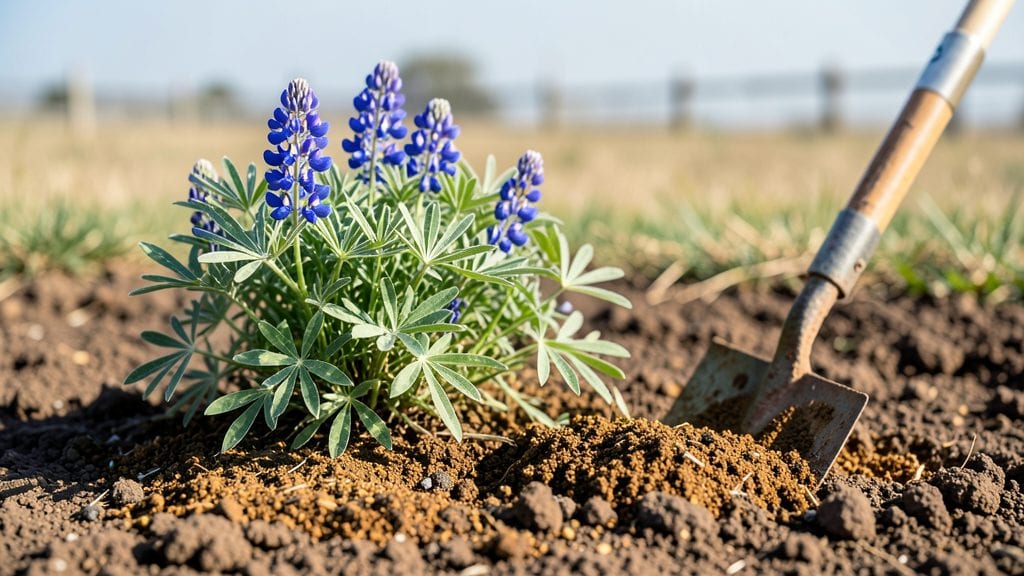
To fix clay soil for gardening, incorporate organic materials like compost, peat moss, or pine bark fines to loosen compaction, boost drainage, and retain moisture. Mix these amendments into the top 6-12 inches of soil each year for lasting improvements.
Clay soil can feel like working with concrete, but the right amendments turn it into fertile growing medium. 🌱 The key is breaking up those dense particles—compost introduces beneficial microbes and air pockets, while peat moss and pine bark add gritty texture without overwhelming nutrients.
I’ve seen gardens go from waterlogged messes to thriving beds after just one season of consistent amendments. The trick is patience: clay soil doesn’t change overnight, but with annual top-dressing, you’ll notice roots spreading deeper and plants flourishing.
Timing matters too—spring or fall are ideal windows when soil is workable but not frozen. A broadfork or rototiller makes the job easier, but even a sturdy shovel can do the trick if you’re patient.
For raised beds, layer amendments directly into the planting mix for even distribution. Think of it like giving your soil a spa treatment: regular care keeps it balanced and ready for whatever you plant.
💡 In This Article
- How Organic Amendments Transform Heavy Clay Soil
- Step-by-Step Guide to Amending Clay Soil in Gardens
How organic amendments transform heavy clay soil
Here's what's actually happening when you add organic matter to clay soil: those dense, plate-like clay particles are naturally packed tightly together, creating a structure that repels water and air. Compost introduces fibrous organic material that physically pry apart these plates, creating tiny air pockets that improve aeration.
Think of it like adding a sponge to a brick wall—suddenly, water can soak in instead of pooling on top. 🌱 The microbial activity in compost also produces enzymes that help break down the clay's mineral bonds over time, further loosening the structure.
Different organic amendments work in distinct ways. Compost, with its balanced mix of decomposed plant and animal matter, adds both nutrients and structure. It typically contains 3-5% organic carbon that feeds soil microbes while its fibrous texture improves water infiltration.
Peat moss, on the other hand, is purely structural—it has a 90% organic matter content but very few nutrients, making it ideal for improving drainage without adding fertility. Pine bark fines work similarly, with particles that range from 1/8 to 1/4 inch in size, creating larger voids that prevent compaction.
The science gets even more interesting when you consider how these amendments interact with clay's natural properties. Clay particles have negative charges that attract positively charged nutrients, but this also makes them stick together.
Organic matter introduces positive charges from decomposed proteins, which helps neutralize the clay's surface and reduce this sticking behavior. This is why amended clay soil holds moisture better—water molecules can now cling to the organic particles instead of being repelled by the dense clay matrix.
What most people don't realize is how these changes affect plant roots. In unamended clay, roots struggle to penetrate the dense soil, often growing in a shallow layer where they compete for the same nutrients.
With proper amendments, roots can explore 2-3 times deeper into the soil profile, accessing water and nutrients that were previously inaccessible. This deeper root system makes plants more drought-resistant and better able to handle temperature fluctuations.
Let's compare the effects of these amendments over time. After one season, compost-amended clay shows 30-40% improvement in water infiltration rates, while peat moss can double drainage capacity immediately. However, compost continues to improve soil structure season after season as it decomposes further.
Pine bark fines provide the most dramatic physical change in texture, making clay feel almost sandy after thorough mixing. The key is matching your amendment to your specific needs—nutrient-poor clay benefits most from compost, while drainage issues respond best to peat moss or pine bark.
One advanced technique worth mentioning is the concept of "soil food web activation." When you add organic matter, you're not just changing the physical structure—you're creating an ecosystem. The increased aeration and moisture retention trigger a cascade of microbial activity that breaks down organic matter into plant-available nutrients.
This biological process continues long after you've finished amending, creating a self-sustaining system that keeps improving over time. 💫
The visual transformation is often the most rewarding part. What once looked like hard, cracked mud becomes a rich, crumbly medium that holds its shape when squeezed. The color shifts from dull gray to dark brown as organic matter integrates, and the smell changes from sterile to earthy and alive.
These sensory changes confirm what the science already tells us—you've fundamentally altered the soil's structure and fertility.