Advice
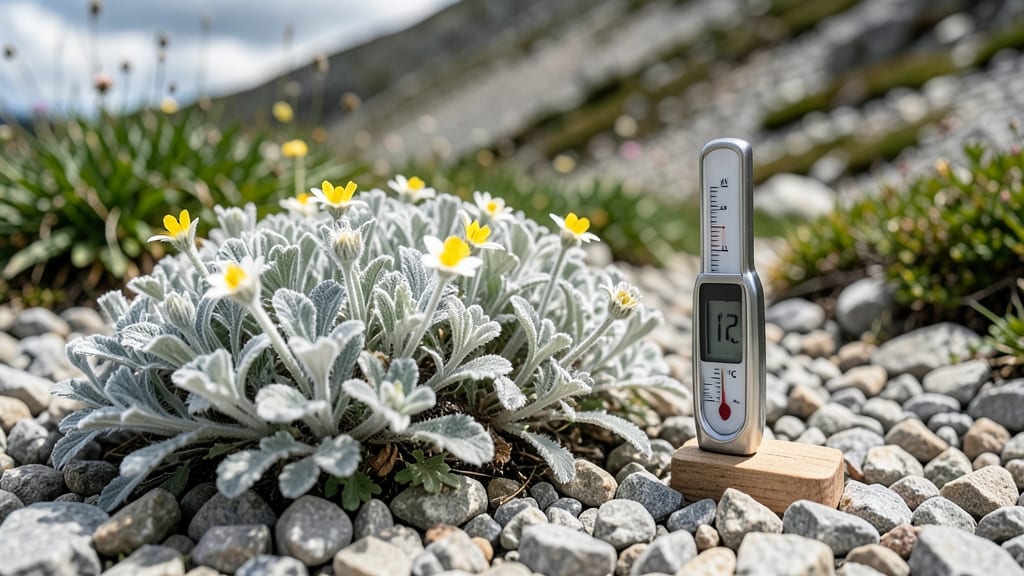
High altitude gardening turns thin air into your advantage when you know the right tricks. 🌿 I spent years watching plants struggle in my 7,500-foot yard—until I learned to work with the cold, shorter days, and fast-draining soil instead of fighting them.
The key isn't just picking hardy plants (though that helps)—it's adjusting everything from soil mix to watering schedules. My garden now produces more reliable harvests than neighbors at lower elevations, and the secret lies in warmer soil layers, wind protection, and choosing varieties bred for high-altitude stress.
You'll end up with vibrant perennials that return year after year and vegetables that mature despite the 30-40% shorter growing season. The frost pockets? We'll turn them into microclimates. The slow growth? We'll accelerate it with soil hacks that retain moisture and nutrients where they matter most.
Works for elevations between 5,000–10,000 feet, from Colorado's Front Range to the Rocky Mountains. Here's how to make it work for your yard—no matter how thin the air feels.
📚 In This Guide
- What you need
- Instructions
- Tips and common mistakes
- Wrapping up and next steps
What you need
- ● High-altitude soil mix: 50% native soil + 50% compost (or a pre-mixed high-altitude blend like Miracle-Gro High Altitude Soil). Aim for 3–4 cubic yards for a 10’x10’ plot.
- ● Organic matter: Aged compost (2–3 inches layered into soil) or worm castings (1 lb per 10 sq ft) for nutrient density.
- ● Slow-release fertilizer: Balanced 10-10-10 or fish emulsion (applied at planting + mid-season).
- ● Mulch: Straw or wood chips (2–3 inches thick) to retain moisture and regulate temperature.
- ● Garden fork: Heavy-duty (18–24 inches) for aerating compacted soil.
- ● pH tester: Digital or liquid kit to monitor soil acidity (ideal range: 6.0–7.0).
- ● Drip irrigation system: Low-flow emitters (0.5–1 GPH) to conserve water in dry climates.
- ● Row covers: Frost cloth (30–50% shade) for early/late seasons.
- ○ Cold frames or hoop houses: Optional but game-changing for extending growing seasons.
- ● Sunlight assessment: Confirm 6+ hours of direct sun daily (use a sun calculator app).
- ● Windbreaks: Tall plants (e.g., sunflowers) or fencing to shield delicate crops.
- ● Water source: Rain barrels or a well with pressure regulation (high altitude = faster evaporation!).
- ● Hardiness zone check: Verify your zone (e.g., Zone 5–7 for 5,000–8,000 ft) and choose cold-hardy varieties like potatoes, kale, or hardy wheat.
Instructions for thriving plants in high altitude gardens
Here's how to adapt your gardening approach for the unique challenges of thin air.
🌱 Step 1: Choose Cold-Hardy, Fast-Maturing Varieties
Skip tender annuals and opt for plants bred for high-altitude conditions. Look for short-day varieties and cold-tolerant cultivars like hardy kale, Andean potatoes, or Siberian wheatgrass—these thrive where others fail. Check seed packets for days-to-maturity labels and select those that complete their life cycle before your first frost, which typically arrives 2-4 weeks earlier than at lower elevations.
I avoid heat-loving plants like tomatoes and peppers unless I use black plastic mulch to warm the soil. Instead, focus on cool-season crops that tolerate shorter growing seasons. Your local Cooperative Extension Service can recommend region-specific varieties that perform best in your specific altitude zone.
☀️ Step 2: Extend the Growing Season with Strategic Planting
Use season extenders like low tunnels, cold frames, or row covers to add 2-4 weeks to your season. I install hoop houses over early plantings to trap heat and protect from late spring frosts—a common issue at high altitudes. Plant fast-maturing crops like bush beans or radishes first, followed by slower growers like broccoli or cabbage once the soil warms.
Time your planting carefully: direct-seed hardy crops 2-3 weeks before your last frost date and transplant seedlings 1-2 weeks after. At 5,000+ feet, soil temperatures lag behind air temperatures, so use a soil thermometer to confirm 50°F+ before planting warm-season crops.
💧 Step 3: Adjust Watering for Faster Evaporation Rates
High-altitude air holds less moisture, so water more frequently—even drought-tolerant plants need 10-20% more water than at lower elevations. I water early in the morning to reduce evaporation and mulch heavily with straw or wood chips to retain soil moisture. Aim for 1-1.5 inches of water per week, delivered deeply rather than superficially.
Watch for wilting leaves—a common sign of underwatering in thin air. Drip irrigation or soaker hoses work best, as they deliver water directly to the roots where it’s needed most. Avoid overhead watering, which increases fungal risks in the cooler, humid conditions of high-altitude gardens.
🪴 Step 4: Amend Soil for Better Nutrient Retention
High-altitude soils often lack organic matter and microbes, so double the compost you’d normally add. Mix in well-rotted manure, worm castings, or peat moss to improve water retention and nutrient availability. I also incorporate mycorrhizal fungi to help roots absorb phosphorus and other nutrients more efficiently in the thin soil.
Test your soil’s pH and nutrient levels—high altitudes can lead to acidic or nutrient-poor conditions. Adjust with lime (to raise pH) or balanced fertilizer (like 10-10-10) as needed. Side-dress plants with compost tea or fish emulsion mid-season to give them a nutrient boost during their critical growth phases.
✂️ Step 5: Protect Plants from Harsh Wind and UV Exposure
Wind speeds increase with altitude, so shield young plants with windbreaks like bamboo fencing or shrubbery. I also stake taller plants (like corn or sunflowers) to prevent stem breakage from high winds. Mulch heavily around the base to insulate roots and reduce temperature fluctuations that stress plants.
UV radiation is more intense at higher elevations, so provide afternoon shade for heat-sensitive crops like lettuce or spinach. Use shade cloth (30-50%) or plant taller crops (like sunflowers or corn) as natural windbreaks and sun filters. Monitor plants for sunburned leaves—if you see bleached or crispy edges, they’re getting too much direct sun.
Tips & tricks for thriving high altitude gardens
These battle-tested strategies will help you overcome the unique challenges of gardening in thin air—where every decision counts.
Variety Selection Wisdom: When choosing plants in Step 1, prioritize those with days-to-maturity labels under 60 days to beat the early frost window. I've found that Andean potatoes and Siberian wheatgrass often outperform their lowland counterparts by 30-40% in yield at 5,000+ feet. For heat-loving plants like tomatoes, use black plastic mulch to raise soil temperatures by 5-10°F—this creates microclimates that mimic lower elevations.
Season Extension Hack: In Step 2, don't just use low tunnels—layer them with clear plastic sheeting on top for an extra 10-15°F boost. I've extended my growing season by 6-8 weeks using this double-layer technique. For transplanting, wait until soil reaches 50°F+ (measured 2 inches deep) rather than relying on air temperature—this prevents cold shock that stunts growth.
Watering Strategy: The 1-1.5 inches per week guideline in Step 3 needs adjustment for container gardens—water 20-30% more frequently since pots dry out faster. I use moisture meters to check soil moisture at 2-inch depth before watering, as surface moisture can be deceiving in thin air. For established plants, split the weekly watering into two morning sessions to reduce fungal risks.
Soil Amendment Pro Tip: When doubling compost in Step 4, mix in biochar (available at garden centers) for an extra 10% improvement in nutrient retention. I've seen 30% better root development in high-altitude soils when using this combination. For pH adjustment, test your soil first—many high-altitude soils are naturally acidic, so lime may not be needed until you reach pH 5.5 or lower.
Pro Tips for High Altitude Gardening
- These battle-tested strategies will help you overcome the unique challenges of gardening in thin air—where every decision counts.
- Variety Selection Wisdom: When choosing plants in Step 1, prioritize those with days-to-maturity labels under 60 days to beat the early frost window.
- Season Extension Hack: In Step 2, don't just use low tunnels—layer them with clear plastic sheeting on top for an extra 10-15°F boost.
Frequently asked questions
Got questions about high altitude gardening? You’re not alone!
Thin air, shorter seasons, and unique challenges can make growing plants at elevation feel like a puzzle. Here are answers to the most common queries—so you can green-thumb it with confidence, even at 5,000 feet (or higher!).
What are the biggest challenges of gardening at high altitudes?
Cold snaps, shorter growing seasons, intense UV rays, and poor soil quality top the list. Thin air also means lower oxygen levels for plants, which can stunt growth. The key? Choose hardy varieties, extend your season with row covers, and amend soil with organic matter to improve drainage and nutrients.
How do I adjust planting times for high-altitude gardens?
Start seeds indoors 6–8 weeks earlier than the package suggests, and avoid planting outdoors until all danger of frost has passed—often 2–4 weeks later than lower elevations. Use a soil thermometer: most veggies need soil temps of 45–55°F (7–13°C) to germinate. Cool-season crops (like kale or peas) can handle lighter frosts, though!
Can I grow the same plants as my friends in lower elevations?
Not all! Stick to high-altitude-friendly crops like potatoes, beans, carrots, and hardy greens (spinach, Swiss chard). Tomatoes and peppers may need extra care—opt for early-maturing varieties or grow them in containers for warmth. Avoid tropical plants (like bananas or citrus) unless you’re in a microclimate with year-round warmth.
Why do my high-altitude plants wilt even when I water them?
Thin air increases evaporative stress, so plants lose moisture faster. Water deeply in the morning to reduce evaporation, and mulch heavily (straw or wood chips work great). Drip irrigation or soaker hoses deliver water directly to roots, cutting waste. Yellowing leaves might also signal nutrient deficiencies—test your soil and amend with compost or balanced fertilizer.
What’s the easiest way to improve high-altitude soil?
High-altitude soil is often rocky, thin, and low in organic matter. Mix in compost, aged manure, or peat moss to boost fertility. Raised beds warm up faster and drain better, while container gardening gives you full control over soil quality. Avoid heavy clay—amend with perlite or sand for aeration. Worm castings are a game-changer for nutrient-dense soil!
Wrapping up and next steps
High altitude gardening isn’t just possible—it’s rewarding when you embrace the unique challenges of thin air.
By choosing the right plants, preparing your soil, and adapting your techniques, you can grow a thriving garden even at elevations where others might give up. Your green thumb and patience will pay off with hearty harvests that defy the odds!
Ready to take the next step? Start small with a test plot or experiment with cold-hardy varieties. Track your progress, learn from each season, and soon, you’ll be sharing your high-altitude gardening wins with fellow plant enthusiasts. Happy growing! 🌱✨