
Advice
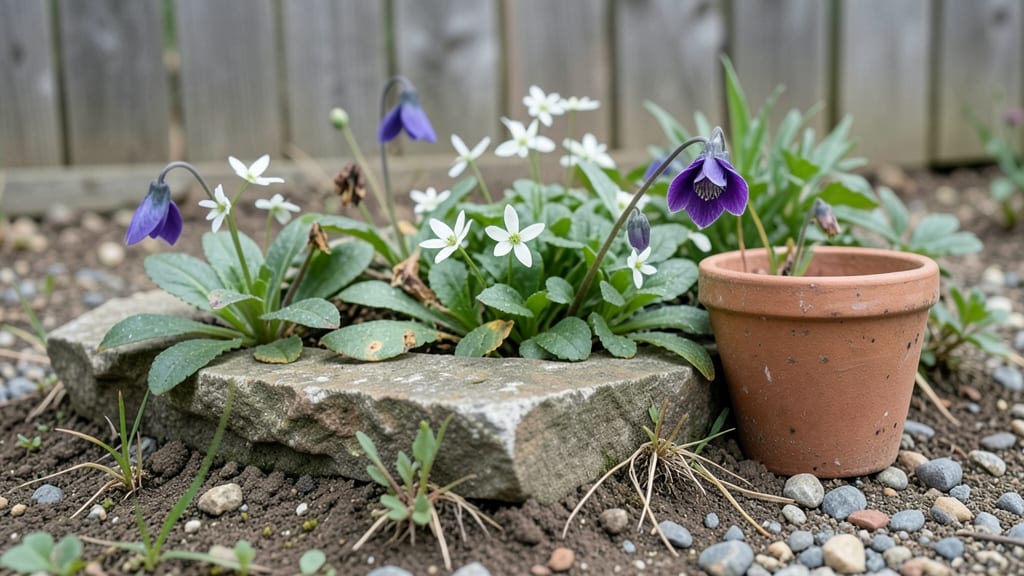
High elevation gardening above 5,000 feet isn’t just possible—it can be shockingly productive when you work with the climate, not against it. ✨ I’ve grown thriving gardens at 7,200 feet using the same principles I’m sharing here, where the air feels thinner. but the right plants explode with growth when conditions are just right.
The key starts with soil—amend it with compost to improve water retention, since high-altitude sun dries things out fast. Then choose cold-hardy varieties like alpine strawberries, hardy kale, or Andean potatoes that evolved for these conditions.
Even your watering changes: morning is best to reduce evaporation, and mulch becomes your best friend to keep roots insulated.
You'll end up with harvests that surprise even skeptics—think sweet mountain-grown tomatoes, crisp lettuce that bolts later, and herbs that stay fragrant through early frosts. The growing season might be shorter, but with the right prep, you'll stretch it to its full potential without fighting the altitude.
This works for both mountain homes and high-plateau gardens. Whether you're at 6,000 feet or 9,000 feet, the same core principles apply—just tweak the varieties and timing to match your exact elevation. Let's get those plants thriving where others give up.
📚 In This Guide
- What you need
- Instructions
- Tips and common mistakes
- Wrapping up and next steps
What you need
- ● Cold-hardy soil amendments: Compost (2–3 cubic yards per 100 sq ft)
- ● Peat moss or coconut coir (1–2 bags per 10 sq ft)
- ● Perlite or vermiculite (1 bag per 5 sq ft, for drainage)
- ● Organic mulch: Straw or wood chips (3–4 inches deep, 1–2 bags per 10 sq ft)
- ● Cold-resistant plants: Perennials (e.g., alpine strawberries, hardy herbs like thyme)
- ● Vegetables (e.g., potatoes, kale, cabbage, broccoli)
- ● Flowers (e.g., alpine phlox, blanket flower, columbine)
- ● Containers (if gardening in raised beds or pots): 5–10 gallon pots (black or dark-colored for heat absorption)
- ● Raised garden beds (4x8 ft, 6–12 inches deep)
- ● Watering system: Drip irrigation kit (with emitters for slow, deep watering)
- ● Soaker hoses (for root-zone hydration)
- ● Water storage tanks (55+ gallon capacity, if municipal water is unreliable)
- ● Garden trowel (stainless steel, for precision planting)
- ● Pruners (bypass pruners for clean cuts)
- ● Garden fork (for aerating heavy, high-altitude soil)
- ● Wheelbarrow (for hauling soil and mulch)
- ● pH testing kit (to monitor soil acidity, aim for 6.0–7.0)
- ● Thermometer (soil and air, to track temperature fluctuations)
- ● Row covers or frost blankets (lightweight, breathable fabric)
- ● Greenhouse or cold frame (extend growing season)
- ● Heat mats (for starting seeds indoors)
- ● Windbreaks (burlap or lattice screens, 4–6 ft tall)
- ● Slow-release fertilizer (balanced 10-10-10 or organic options)
- ● Garden journal (to track plant progress and adjustments)
- ● Solar-powered lights (for early-season planting)
Step-by-step guide for high elevation gardening success
Here's how to adapt your gardening approach for thriving plants above 5,000 feet.
🌱 Step 1: Select Cold-Hardy Plant Varieties
Choose plants bred for high elevations—these handle shorter growing seasons and cooler temperatures better than standard varieties. Look for labels indicating cold-hardy or short-season plants. My go-to choices include kale, Swiss chard, potatoes, and hardy cabbage, all of which tolerate 20-30°F without issues.
Check your last frost date—it arrives later at high elevations, so plan accordingly. For example, if your last frost is June 15, opt for varieties with a 60-75 day maturity window. Start seeds indoors 8-10 weeks before your last frost to give them a head start.
☀️ Step 2: Extend the Growing Season Strategically
Use row covers or cold frames to protect young plants from late frosts and extend the harvest window. I drape lightweight row covers over seedlings in spring and fall—they trap heat during the day and insulate at night. For delicate crops like lettuce, a cold frame can add 4-6 weeks to your growing season.
Plant early crops like peas and spinach in late winter or early spring when soil temperatures reach 40°F. These cool-season crops thrive in the cooler soil and air of high elevations. Succession planting every 2-3 weeks ensures a continuous harvest instead of one big crop.
💧 Step 3: Adjust Watering for Thin Air and Strong Sun
High elevation air holds less moisture, so water deeply and frequently—1-1.5 inches per week is typical, but check soil moisture daily. The thin air causes water to evaporate faster, so mulch heavily with 2-3 inches of straw or wood chips to retain moisture and regulate soil temperature.
Water in the early morning to reduce evaporation and fungal diseases. Avoid overhead watering, which can wash away soil and expose roots. Drip irrigation or soaker hoses work best—they deliver water directly to the root zone without disturbing the soil.
🌿 Step 4: Amend Soil for Better Drainage and Nutrients
High elevation soils often drain too quickly or stay too wet. Amend with compost or well-rotted manure to improve moisture retention and nutrient availability. I mix in 1-2 inches of compost into the top 6 inches of soil before planting. This also helps warm the soil faster in spring.
Add organic matter like peat moss or coconut coir if your soil is sandy and drains too fast. For clay-heavy soils, incorporate perlite or vermiculite to improve aeration. Test your soil’s pH—most high elevation gardens benefit from a slightly acidic to neutral range (6.0-7.0).
⏰ Step 5: Monitor and Protect Plants from Harsh Conditions
Watch for higher UV exposure at high elevations—plants can scorch more easily. Provide afternoon shade for heat-sensitive crops like tomatoes or peppers using shade cloth (30-50% coverage). You’ll notice leaves turning yellow or crispy edges as a sign of sunburn.
Wind can be a bigger issue above 5,000 feet. Use windbreaks like tall plants, fences, or even straw bales to shield delicate crops. If a storm is forecasted, cover young plants with row covers or fabric to prevent damage. High winds dry out plants faster, so keep an eye on moisture levels during windy periods.
Tips & tricks for high elevation gardening success
Gardening at high elevations presents unique challenges, but these practical tips will help you overcome them and grow a thriving garden.
Cold-Hardy Plant Selection: When choosing varieties like kale, Swiss chard, potatoes, and hardy cabbage that tolerate 20-30°F, look for seed packets labeled "short-season" or "cold-resistant." These plants have been bred specifically to handle the shorter growing seasons and cooler temperatures at high elevations. I always check the maturity window—aim for 60-75 days to ensure they'll reach harvest before your first frost.
Soil Temperature Matters: High elevation soils can stay cold longer, so wait until soil temperatures reach 40°F before planting cool-season crops like peas and spinach. Use a soil thermometer to check—planting too early in cold soil can stunt growth. I've learned this the hard way after watching seedlings struggle in chilly conditions.
Watering Strategy: The thin air at high elevations causes water to evaporate faster, so water deeply and frequently—1-1.5 inches per week is a good rule of thumb. I recommend watering in the early morning to reduce evaporation and fungal diseases. Consider using drip irrigation or soaker hoses to deliver water directly to the roots without disturbing the soil.
Soil Amendment: High elevation soils often need extra help with moisture retention and nutrients. Mix in 1-2 inches of compost into the top 6 inches of soil before planting. For sandy soils, add organic matter like peat moss or coconut coir, while clay-heavy soils benefit from perlite or vermiculite. Test your soil's pH—most high elevation gardens thrive in a slightly acidic to neutral range (6.0-7.0).
Pro Tips for High Elevation Gardening
- Gardening at high elevations presents unique challenges, but these practical tips will help you overcome them and grow a thriving garden.
- Cold-Hardy Plant Selection: When choosing varieties like kale, Swiss chard, potatoes, and hardy cabbage that tolerate 20-30°F, look for seed packets labeled "short-season" or "cold-resistant."
- Soil Temperature Matters: High elevation soils can stay cold longer, so wait until soil temperatures reach 40°F before planting cool-season crops like peas and spinach.
Frequently asked questions
How do I adjust planting times for high elevation?
High elevation gardens have shorter growing seasons, so start seeds indoors 4–6 weeks earlier than lowland guidelines. Use cold frames or row covers to extend warmth. Monitor USDA Plant Hardiness Zones—your last frost may hit weeks later than expected!
What are the best cold-resistant veggies for high elevation?
Prioritize hardy crops like kale, cabbage, potatoes, and peas. For heat-loving plants (e.g., tomatoes), choose early-maturing varieties or grow them in containers near the house to trap warmth. Leafy greens often thrive best!
How do I water efficiently in thin mountain air?
Soil dries faster at high elevations due to lower humidity. Water deeply 2–3x/week (early morning) and mulch heavily to retain moisture. Drip irrigation or soaker hoses minimize evaporation better than overhead sprinklers.
Why do my plants struggle with pests at altitude?
Cooler temps slow pests like aphids, but cabbage worms and Colorado potato beetles still thrive. Use neem oil, row covers, or introduce beneficial insects (e.g., ladybugs). Rotate crops yearly to disrupt pest cycles.
Can I grow tropical plants (e.g., citrus) above 5,000 ft?
Most tropicals won’t survive year-round, but you can try container gardening near south-facing walls or greenhouses. Opt for dwarf varieties (e.g., Meyer lemon) and overwinter indoors. Heat mats help roots stay warm!
Wrapping up and next steps
High elevation gardening is all about working with nature—not against it!
By choosing cold-hardy plants, adjusting your soil, and embracing seasonal rhythms, you can grow a thriving garden even above 5,000 feet. 🌱 The key is patience, preparation, and a little creativity—your green thumb will shine brighter than ever in these unique conditions.
Ready to take the next step? Start small with one resilient plant this season, and watch your confidence (and harvest!) grow. Happy gardening—your high-altitude oasis awaits! 🌿