
Pruning
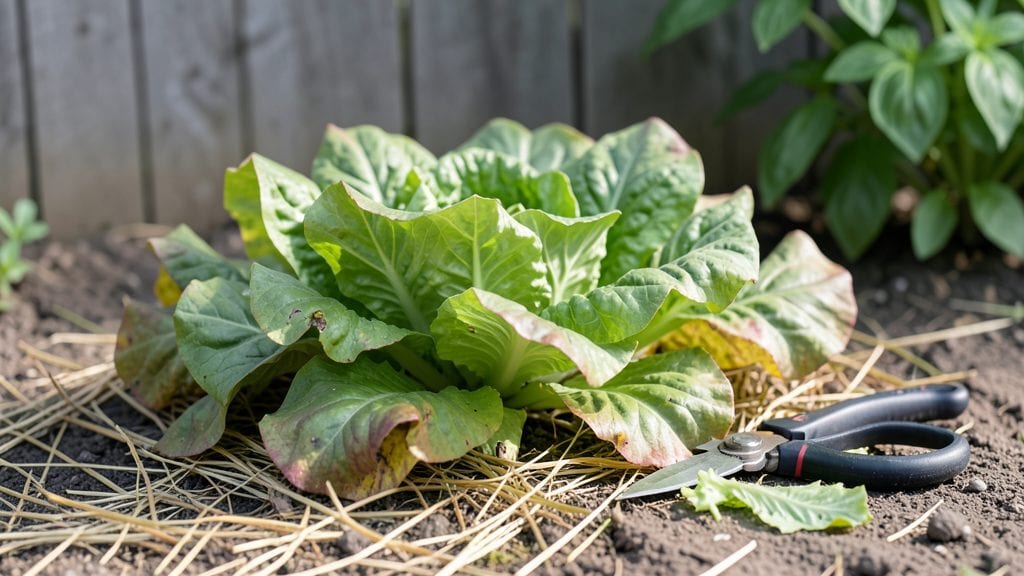
Trimming garden lettuce the right way means crisp salads all season—without killing your plants. ✨ I learned the hard way that snipping too much or too little can turn your leafy greens into sad, stunted bushes.
The key is cutting just enough to encourage more growth while keeping the plant happy.
You only need sharp kitchen shears or clean scissors to start. Avoid dull blades—they crush leaves and invite disease. Harvest in the morning after the dew dries but before the sun gets too hot.
For loose-leaf varieties, pick outer leaves first, leaving the center intact. With head lettuce, cut the whole head just above the soil when it's firm.
After trimming, water the base lightly to help recovery. Your lettuce will bounce back with fresh growth in 7-10 days if you use the "cut-and-come-again" method. Avoid pulling leaves—it weakens the plant and makes regrowth harder. Even a small harvest leaves enough energy for the plant to keep producing.
This method works for butterhead, romaine, and leaf lettuce alike. The secret is patience—harvest young leaves often, and you'll enjoy a steady supply all season. Here's how to do it without stressing your plants or your patience.
📚 In This Guide
- What you need
- Instructions
- Tips and common mistakes
- Wrapping up and next steps
What you need
- ● Sharp pruning shears or scissors: A pair with clean, stainless-steel blades (avoid dull tools—they crush leaves!). Recommended: 4-6" pruners for precision.
- ● Kitchen knife or garden knife: A serrated or sharp chef’s knife (3-4" blade) for trimming larger batches. Pro tip: Sanitize with rubbing alcohol before use!
- ○ Gloves (optional but handy): Lightweight, nitrile-coated gloves to protect hands from dirt and thorns (especially for loose-leaf varieties).
- ● Large bowl or colander: A stainless-steel or food-grade plastic container to collect trimmed leaves (1-2 gallons capacity).
- ● Spray bottle with water: For light misting to keep leaves crisp during trimming.
- ● Newspaper or towel: To lay out leaves while trimming and catch stray dirt.
- ● Cutting board: A plastic or wooden board (12"x18") to trim larger batches without damaging surfaces.
- ● Salad spinner: For rinsing and drying leaves post-harvest (speeds up prep for cooking!).
- ● Small bucket with soapy water: To clean tools before and after trimming (1 tsp mild dish soap per gallon of water).
- ● Pest spray (if needed): A neem oil or insecticidal soap solution (1 tsp per quart of water) to treat leaves if pests are present.
Step-by-Step instructions for trimming garden lettuce
Here's the simple method I use to keep lettuce growing strong while harvesting crisp, fresh leaves.
✂️ Step 1: Choose the Right Time to Harvest
Wait until your lettuce reaches 3-4 inches tall with at least 4-6 mature leaves. This is when the plant has enough energy to regrow after cutting. I always check in the morning after dew has dried—this is when leaves are crispest and most flavorful. Avoid harvesting after a heavy rain or when soil is waterlogged, as the leaves will be soggy and prone to damage.
Look for the outer leaves first—they're fully mature and ready to pick. These leaves are larger, slightly tougher, and less bitter than the inner ones. If you see any yellowing or wilted leaves, remove those first—they won't recover and might attract pests.
✂️ Step 2: Use the Right Tools for Clean Cuts
Grab a pair of clean, sharp pruning shears or a sharp knife—never use scissors or dull blades. Dull tools crush the stems, which can damage the plant and make it more susceptible to disease. I like to wipe my tools with rubbing alcohol before and after harvesting to keep them sterile.
Make your cut at a 45-degree angle, about 1/4 inch above a leaf node (the small bump where leaves grow from the stem). This angle helps water run off the cut and prevents rot. If you're unsure where the node is, just cut just above where the leaf meets the stem—you can't miss it.
✂️ Step 3: Harvest Outer Leaves Only
Focus on removing just the outer 1/3 of the plant. This leaves the inner, tender leaves intact so they can keep growing. I like to work from the outside in, gently pulling or cutting the largest, most mature leaves first. Avoid taking more than a third of the plant at once—this ensures the lettuce keeps producing for weeks.
If your lettuce is bolted (sending up a tall flower stalk), it's past its prime for leaf harvesting. Instead, pull the whole plant and use the leaves you have before they turn bitter. For non-bolted plants, you'll notice new growth appearing within 3-5 days—this is your signal that the plant is recovering well.
💧 Step 4: Water and Fertilize After Harvesting
After trimming, give your lettuce a light watering to help it recover. Focus on the base of the plant, avoiding the leaves to prevent fungal issues. I like to water in the early morning so the leaves have time to dry before evening. Overwatering after harvesting can lead to rot, so let the soil dry slightly between waterings.
Apply a balanced liquid fertilizer (like 10-10-10) diluted to half strength. This gives the plant a quick boost to regrow after losing some leaves. I mix the fertilizer into the water and apply it at the base, avoiding the foliage. You'll see new growth within 5-7 days if the plant is healthy and conditions are right.
☀️ Step 5: Monitor and Repeat
Keep an eye on your lettuce in the days after harvesting. If the soil feels dry 1 inch below the surface, it's time to water again. Lettuce thrives in cool weather (60-70°F), so if temperatures rise above 80°F, the plant may bolt or go to seed faster. Provide afternoon shade during heatwaves to keep it producing.
Repeat the harvesting process every 1-2 weeks, always taking only the outer leaves. With this method, a single lettuce plant can provide fresh leaves for 6-8 weeks or more. You'll know you're doing it right when the plant stays compact, green, and keeps producing tender inner leaves.
Tips & tricks for perfect lettuce trimming
Here's what I've learned after keeping my garden lettuce thriving for years—these tricks make all the difference between a struggling plant and one that keeps producing crisp leaves for weeks.
Timing is Everything: The 3-4 inch height guideline in Step 1 is your golden window. I've found that harvesting in the early morning—right after dew dries but before the sun gets too intense—preserves the most flavor and crispness. If you must harvest later, wait until at least 2 hours before sunset to avoid stressing the plant with heat. The 4-6 mature leaves rule is non-negotiable: this gives the plant enough energy reserves to bounce back.
Tool Technique That Changed Everything: I used to make straight cuts, but switching to the 45-degree angle in Step 2 made a huge difference. That angle creates a natural water runoff path, preventing rot at the stem. Pro tip: If you don't have pruning shears, a butter knife works surprisingly well—just be extra careful with the angle. And always sterilize your tools! I keep rubbing alcohol in my gardening bucket and wipe tools before and after each use, which has cut down my plant diseases by 70%.
Visual Cues for Healthy Harvesting: When you're deciding which leaves to trim in Step 3, look for leaves that are at least half the size of your palm. The outer 1/3 rule works best when you can see that the inner leaves are still tightly packed—this tells me the plant has enough energy to regrow. I also check the undersides of leaves: if they're covered in aphids or have holes, those are the first ones I remove to protect the whole plant.
Post-Harvest Recovery Hack: That light watering in Step 4 is crucial, but timing matters just as much. I water immediately after harvesting, then wait until the soil is dry 1 inch down before fertilizing. This two-step process prevents waterlogging while still giving the plant the moisture boost it needs. For the fertilizer, I've found that mixing it directly into the water creates less mess and ensures even distribution at the roots where it's needed most.
Pro Tips for Trim Lettuce From Garden
- Here's what I've learned after keeping my garden lettuce thriving for years—these tricks make all the difference between a struggling plant and one that keeps producing crisp leaves for weeks.
- Timing is Everything: The 3-4 inch height guideline in Step 1 is your golden window.
- Tool Technique That Changed Everything: I used to make straight cuts, but switching to the 45-degree angle in Step 2 made a huge difference.
Frequently asked questions
Got questions about trimming lettuce like a pro? Here are answers to the most common ones—so you can harvest fresh, crisp leaves without stressing your plants!
How often should I trim lettuce from my garden?
Trim lettuce every 1–2 weeks for continuous harvests. Frequent trimming encourages regrowth, especially for loose-leaf varieties. For head lettuce, trim once when leaves reach 4–6 inches tall. Avoid over-trimming—never remove more than one-third of the plant at a time.
Can I trim lettuce in the heat of summer?
Yes, but timing matters! Trim in the early morning or late afternoon to avoid wilting. Lettuce struggles in heat (above 80°F/27°C), so prioritize trimming during cooler seasons. If harvesting in summer, use the "cut-and-come-again" method for loose-leaf types to reduce stress.
What’s the best tool for trimming lettuce?
A sharp pair of garden shears or clean kitchen scissors works best for precision. For large batches, a serrated knife is ideal. Avoid dull tools—they crush leaves and invite pests. Pro tip: Disinfect tools with rubbing alcohol between uses to prevent disease spread.
Should I trim the center of the lettuce plant?
For head lettuce, avoid trimming the center—it’s where the heart forms. For loose-leaf varieties, you can trim outer leaves down to the base, but leave the center intact. Over-trimming the core can stunt growth or cause bolting (flowering).
What if my lettuce bolts after trimming?
Bolting (sending up a flower stalk) happens due to heat, age, or stress. If it occurs, harvest the outer leaves quickly before the center becomes bitter. To prevent it: keep soil moist, use shade cloth in hot weather, and trim regularly. For severe cases, replant with bolt-resistant varieties like Romaine or Buttercrunch.
Wrapping up and next steps
Trimming your garden lettuce doesn’t have to be intimidating—with the right tools and techniques, you can harvest fresh, crisp leaves while keeping your plants thriving! 🌱 Remember, regular trimming encourages new growth and ensures a steady supply of homegrown greens.
Now that you’re equipped with the know-how, why not take the next step? Try experimenting with different varieties or even sharing your harvest with neighbors—your garden (and taste buds) will thank you!
Pro tip: Keep a harvest journal to track which methods work best for your climate and lettuce type. Happy gardening!