Planting
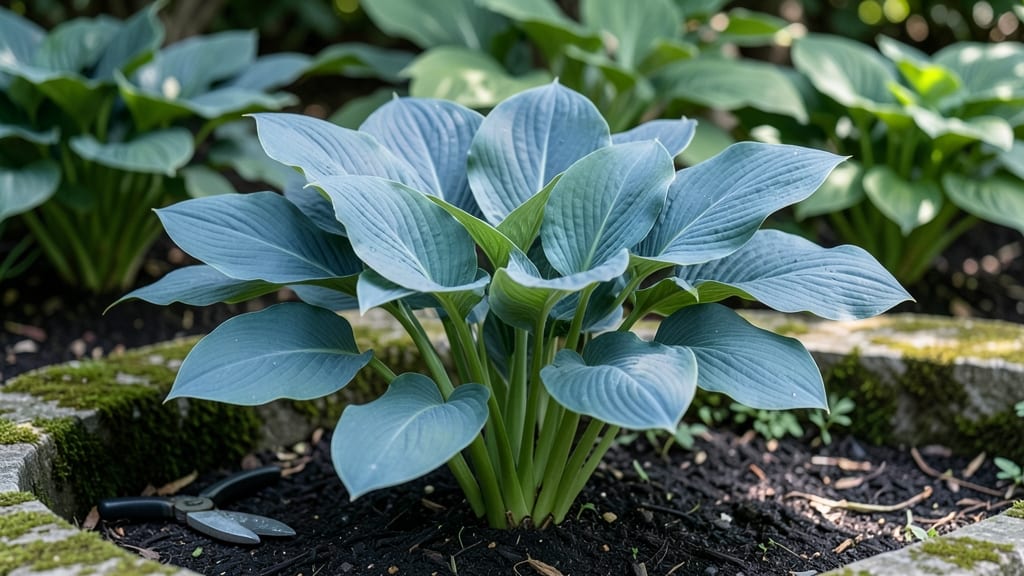
Identifying a garden plant in your yard isn’t just frustrating—it’s the first step to either a thriving landscape or a weed you can’t shake. 🌿 I’ve spent years squinting at leaves, counting veins, and comparing flowers to finally crack the code on what’s growing where.
The secret isn’t memorizing botany textbooks; it’s learning a few key tricks to narrow down the options fast.
Start with leaf shape—is it lobed like a maple, serrated like a raspberry, or smooth like a hosta? Then check the flowers: Are they tiny and clustered, or bold and solitary? Most plants give away their identity in these two details alone.
I’ve even used a free app to snap a photo and get instant answers, though I still double-check with a field guide for tricky lookalikes.
Once you’ve got the ID, you’ll know exactly how to care for it—whether it needs full sun, rich soil, or regular pruning. Misidentifying a plant can mean wasting time on the wrong care, or worse, treating a prized flower like a weed.
The payoff? A garden where every plant thrives because you know what it is.
This method works for everything from annuals to perennials, shrubs to trees—no green thumb required. Let’s turn that guessing game into a confidence boost, starting with the simplest clues.
Root Causes of Plant Misidentification
Misidentifying garden plants can be frustrating, but understanding the science behind why it happens helps you avoid common pitfalls. Here’s a breakdown of the key reasons—and how to tackle them like a pro.
Plants are complex organisms, and relying on just one feature (like flower color) can lead to errors.
Many species share similar traits, such as: - Leaf shape (e.g., lobed leaves appear in both oak trees and some maples). - Flower structure (e.g., white blooms are common in lilies, daisies, and even some weeds). - Growth habits (e.g., vines and shrubs can look identical until flowers or fruit appear).
Actionable fix: Use a —note leaf arrangement (alternate vs. opposite), stem texture, and root type (taproot vs. fibrous). Apps like iNaturalist or PlantNet can cross-reference multiple traits for accuracy.
A plant’s appearance changes dramatically across its life cycle.
For example: - Seedlings often lack distinctive features (e.g., a young oak may look like a maple). - Dormant plants (winter or dry seasons) shed leaves or flowers, hiding key ID clues. - Fruiting vs. flowering stages—some plants (like tomatoes) are unrecognizable until they bear fruit.
Actionable fix: Observe the plant throughout the year. Take photos at different stages (spring blooms, summer foliage, autumn fruit) to build a full profile. Compare with field guides that include life cycle stages.
Many garden plants are hybrids or cultivars bred for specific traits (e.g., double-petal flowers, dwarf sizes).
This creates "look-alikes" that stump even experienced gardeners: - Roses: A single rose cultivar may have 50+ named varieties with nearly identical leaves but different fragrances or thorn patterns. - Hostas: Some hybrids mimic other shade plants (like ferns) until their unique flower spikes emerge. - Weeds vs. ornamentals: Japanese knotweed (an invasive weed) can resemble ornamental bamboo until its aggressive rhizomes spread.
Actionable fix: Dig deeper into cultivar names or ask local nurseries about regional hybrids. Use DNA testing kits (like Smart-Plant) for tricky cases.
A plant’s native habitat influences its traits.
For instance: - Sun exposure: A shade-loving impatiens grown in full sun may develop smaller, darker leaves, mimicking a different species. - Soil pH: Blueberries (acid-loving) vs. hydrangeas (pH-sensitive) can alter flower colors, making ID harder. - Climate zones: A tropical plant like a bird-of-paradise may struggle in cold climates, altering its growth pattern.
Actionable fix: Note your USDA hardiness zone and soil conditions. Compare your plant’s traits to regional plant databases (e.g., Lady Bird Johnson Wildflower Center for native species).
Field guides, apps, and online forums often contain errors or outdated information.
Common issues: - Old illustrations (e.g., a 1950s guide may not account for new hybrids). - Misleading common names (e.g., "wild ginger" refers to two unrelated plants). - App limitations (AI tools may misclassify based on low-resolution photos).
Actionable fix: Cross-reference 3+ sources (e.g., Missouri Botanical Garden’s PlantFinder, USDA Plants Database, and a local arboretum’s records). When in doubt, consult a botanist or master gardener in your area.
Our brains fill in gaps based on prior knowledge.
Examples: - Confirmation bias: Seeing a "lily" because you think it’s a lily, ignoring its true bulb shape (e.g., daylilies vs. true lilies). - Cultural stereotypes: Assuming all white flowers are "innocent" (e.g., snowdrops vs. poisonous death camas). - Overgeneralizing: Calling any broadleaf plant a "maple" without checking vein patterns.
Actionable fix: Practice blind identification—cover the plant name in guides and deduce it yourself. Use a binary key (step-by-step yes/no questions) to train your eye.
Stress from pests or illness can drastically change a plant’s look:
- Aphids or mites cause curled leaves (e.g., a healthy rose leaf vs. a mite-infested one).
- Fungal spots (like powdery mildew) may make a plant resemble a different species.
- Animal damage (e.g., deer browsing) can strip leaves, hiding key ID features.
Actionable fix: Inspect the underside of leaves and stems for pests. Compare your plant to healthy reference images in guides. Treat issues first—sometimes a revived plant reveals its true identity!
Pro Tip: 🌡️ Use a magnifying glass for fine details like leaf hairs, vein patterns, or flower nectar guides (UV patterns invisible to the naked eye). Many plants have hidden clues only visible up close!
Quick fixes for plant ID confusion
Got tangled in leaf shapes and flower mysteries? Don’t stress—solving plant identification puzzles is easier than you think! Whether you’re staring at a lush green mystery or a blooming beauty, these practical, step-by-step solutions will turn your guesswork into confidence.
Below, we’ve matched common struggles with foolproof fixes, plus prevention tips to keep your garden adventures smooth.
Problem: "Every leaf looks like a spearhead—how do I tell them apart?" Leaves can be sneaky, but their edges, veins, and arrangement hold the secrets. Try this:
- 🍃 Step 1: Trace the Outline Hold a leaf up to a light (or snap a photo against a white wall) to see its true shape. Is it lobed like a maple, serrated like a raspberry bush, or smooth like a hosta?
Use a leaf identification chart (like this one from the USDA) to compare.
- 🌿 Step 2: Check the Veins
- Palmate veins? (Like fingers spreading from a center point—think buttercup.)
- Pinnate veins? (Parallel lines running lengthwise—like a feather, e.g., roses.)
- Reticulate? (A net-like pattern—common in fruit trees.)
- 📏 Step 3: Measure the Margin Run your fingernail along the edge:
- Smooth? (e.g., lilac)
- Toothed? (Small teeth, like a saw—e.g., oak) 💡 Pro Tip: Use a magnifying glass for fuzzy or tiny details!
Prevention: Keep a small notebook in your pocket to sketch leaves you’re unsure about. Jot down: ✔ Shape (heart, lance, oval?) ✔ Edge type (wavy, spiky, lobed?) ✔ Size (palm-sized? Thumb-sized?)
Problem: "All my blooms are white and round—how do I tell them apart?" Flowers can be tricky, but petal count, symmetry, and scent are your best friends.
- 🌺 Step 1: Count the Petals
- 4–5 petals? Likely a rose, peony, or hibiscus.
- 6+ petals? Could be a lily, daylily, or delphinium.
- No petals? Check for sepals (leafy bits) or tight buds (e.g., buddleia).
- 🔄 Step 2: Check Symmetry
- Radial? (Petals radiate outward—like a daisy or tulip.)
- Bilateral? (One side mirrors the other—like a snapdragon.)
- 👃 Step 3: Trust Your Nose
- Sweet scent? Often jasmine, gardenia, or honeysuckle.
- Pungent or none? Could be lilies (toxic!) or zinnias.
💡 Pro Tip: Snap a close-up photo of the flower’s center (stamens, pistils) and underside of petals—these details are often unique!
Prevention: Label your plants at planting time with a waterproof tag (include common name + scientific name if you’re ambitious). Use color-coded tags for quick sorting (e.g., blue = perennials, green = annuals).
Problem: "I’ve tried every app, but nothing matches!" Sometimes, the issue isn’t the plant—it’s the information gap. Try this:
- 🔎 Step 1: Narrow Down the Region Apps like PlantNet or iNaturalist work best if you select your state/country first. Many plants are region-specific!
- 📸 Step 2: Improve Your Photos
- Lighting: Shoot in natural light, not shade.
- Angles: Get close-ups of leaves, stems, and flowers (all sides!).
- Scale: Include a coin or ruler in the frame for size reference.
- 🤝 Step 3: Ask the Experts
- Post in Facebook groups (e.g., "Plant Identification Central").
- Visit a local nursery—staff often recognize regional plants instantly.
- Try Reddit’s r/whatsthisplant—users love helping beginners!
💡 Pro Tip: If all else fails, dig up a small sample (gently!) and take it to a master gardener program (many are free). They’ll ID it and tell you how to care for it.
Stop guessing forever with these easy habits:
- 📅 Monthly "Plant Audit" Spend 10 minutes each month walking your garden and labeling one new plant. Over a year, you’ll know your garden like the back of your hand!
- 📚 Keep a "Plant Bible" Carry a small field guide (like The New Sunset Western Garden Book) or use an offline app (e.g., PictureThis) for when signal is spotty.
- 🌍 Study One Family at a Time Focus on one plant family per week (e.g., Asteraceae, Rosaceae). Learn their common traits—it’s like solving a puzzle with a theme!
- 📲 Use a Hybrid Approach Combine apps (for quick checks) + books (for deep dives). Example:
- App: PlantNet (for instant guesses).
- Book: The Plant Identification Handbook (for verification).
Final Thought: The more you observe, photograph, and label, the faster your brain will start automatically recognizing plants. Soon, you’ll walk past a bush and know it’s a hydrangea without even thinking—no chart needed! 🌿✨
Frequently asked questions
What are the easiest ways to identify a garden plant without apps?
Start with the leaf shape—note whether it's lobed, serrated, or smooth. Check the flower structure (petal count, symmetry) and stem texture. Compare these traits to a field guide or sketch them in a notebook. For tricky cases, observe the root type (taproot vs. fibrous) or fruit/seeds later in the season.
How do I tell the difference between similar-looking plants like hostas and ferns?
Hostas have parallel veins and tubular flowers on spikes, while ferns produce fronds (leaflets) and lack flowers. Check the leaf arrangement: hostas grow in basal rosettes, while ferns spread via rhizomes. A magnifying glass helps spot leaf hairs or underside patterns that differ between species.
Why does my plant identification app keep giving wrong answers?
Apps often fail when photos lack key details (e.g., close-ups of leaves/stems, multiple angles). Try natural lighting, include a scale reference (like a coin), and photograph all parts of the plant. Regional apps (like iNaturalist) work better than generic ones. For stubborn cases, consult a local nursery or master gardener.
Can I identify a plant just from its seeds or fruit?
Seeds and fruit often reveal unique clues. For example, apple seeds indicate a fruit tree, while pepper-shaped pods suggest a lupine. Note the size, shape, and texture—compare to seed/fruit databases like Seed ID or USDA Plants. Just ensure the plant isn’t dormant (no seeds/fruit = harder to ID).
What should I do if I think my plant is toxic or invasive?
First, avoid touching it (wear gloves). Use a toxic plant database (like Poisonous Plants of North America) to check. For invasives, verify with local extension services—they’ll confirm species and removal methods. Never dig up unknown plants unless you’re certain they’re non-invasive and non-toxic.