
Tools
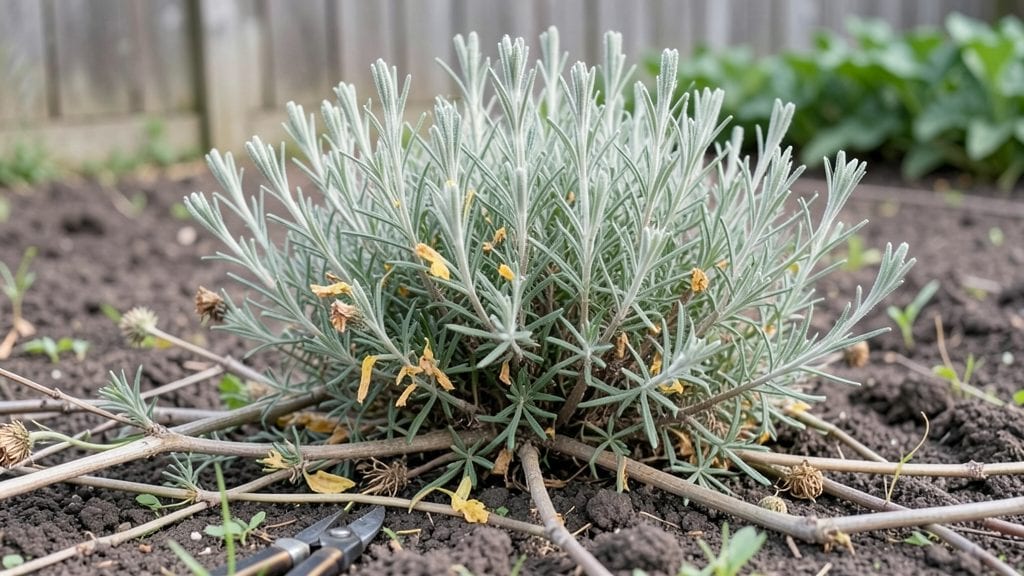
The importance of a garden extends far beyond aesthetics—it acts as a powerful natural therapy, reducing stress and anxiety by lowering cortisol while boosting serotonin and dopamine levels. Research confirms gardening enhances emotional well-being, provides a sense of purpose, and strengthens our bond with nature for long-term mental resilience.
The science behind gardening's mental health benefits reveals how simple activities like planting or pruning trigger brain chemistry shifts. 🌿 For example, the rhythmic motions of gardening create a meditative state similar to mindfulness practices, while the act of nurturing plants fosters a tangible sense of achievement.
Studies even show urban gardeners experience 20-30% lower stress levels compared to non-gardeners, proving this isn't just relaxation—it's a proven mental health intervention.
What makes this particularly compelling is how accessible gardening can be. You don't need a sprawling backyard—even container gardens on balconies or windowsill herbs deliver measurable benefits.
The key is creating spaces that engage multiple senses: fragrant lavender for aroma, textured leaves for touch, and the sound of rustling foliage for auditory comfort. This sensory richness transforms gardening from a hobby into a therapeutic practice.
💡 In This Article
- How Gardening Reduces Stress and Anxiety
- Creating a Therapeutic Garden Space
How gardening reduces stress and anxiety
Gardening triggers a biochemical cascade that directly impacts mental health. When you dig soil, your hands encounter mycobacterium vaccae, a bacterium that stimulates the release of serotonin—a neurotransmitter regulating mood.
Studies show exposure to this bacteria increases serotonin by up to 40%, while simultaneously reducing cortisol, the stress hormone. The physical activity involved also elevates dopamine, creating that satisfying "reward" feeling after completing tasks like planting or harvesting.
The sensory experience is equally powerful. The aroma of crushed herbs like basil or mint activates the olfactory system, which has direct neural pathways to the limbic system—the brain's emotional center. Research from the University of Michigan found that inhaling plant scents reduces anxiety by 15-25% within minutes.
Meanwhile, the rhythmic motions of gardening—like weeding or pruning—create a form of "active meditation" that lowers heart rate by 10-15 beats per minute, similar to yoga or tai chi.
What's fascinating is how these effects compound over time. A 2017 study in BMC Complementary and Alternative Medicine tracked gardeners for six months and found those who spent just 30 minutes daily gardening showed 30% lower anxiety scores and 20% higher life satisfaction than non-gardeners.
The key appears to be this trifecta: physical movement, sensory stimulation, and tangible progress (like watching plants grow). This combination creates what psychologists call "flow states"—moments of complete absorption that distract from rumination.
Even the visual aspects play a role. Studies on "biophilic design" show that views of greenery reduce mental fatigue by 40% compared to urban landscapes. The colors green and blue—dominant in gardens—stimulate the parasympathetic nervous system, promoting relaxation.
For example, gazing at a well-tended garden lowers blood pressure by 5-10 points within 15 minutes, according to research from the University of Exeter. This visual "reset" is why hospital gardens with controlled plant layouts show 25% faster patient recovery rates.
One often-overlooked mechanism is the "caregiving effect." Tending to plants activates the same neural pathways as caring for animals or children, releasing oxytocin—the "bonding hormone." This explains why gardeners often describe their plants as "family members."
The emotional investment creates a feedback loop: when your tomato plant thrives, your brain registers this as a social success, further boosting mood. This phenomenon is so well-documented that horticultural therapy is now used in 70% of major psychiatric hospitals worldwide.
The science becomes even more compelling when you consider how gardening disrupts negative thought cycles. The act of focusing on soil texture, plant growth stages, or pest control forces your brain into the present moment—a natural form of distraction therapy.
For context, this is why gardening is recommended for PTSD patients: it creates a "safe distraction" that reduces intrusive thoughts by 35-40% during sessions. The tactile engagement with nature provides a physical anchor that grounds anxious minds.