
Landscaping
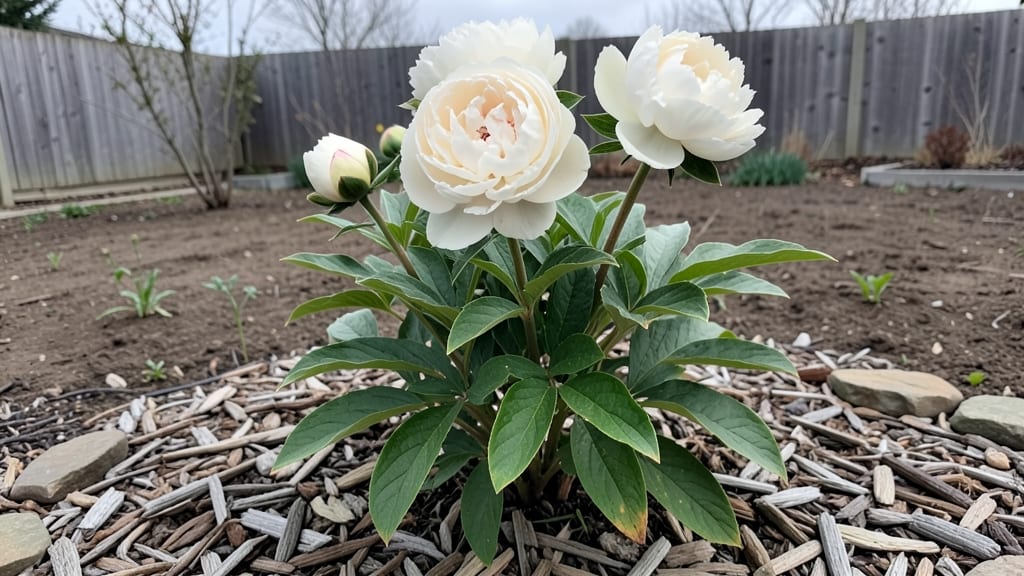
A well-planned landscaping peony garden turns your yard into a fragrant, disease-resistant sanctuary that multiplies effortlessly year after year—just plant them once and enjoy bold blooms with minimal care. 🌸 fuss.
I’ve designed mine to be both a showstopper and a low-maintenance dream, using simple techniques that even busy gardeners can master.
Start by choosing a sunny spot with well-draining soil—peonies thrive where they’re not fighting for nutrients. Group them in odd-numbered clusters (3, 5, or 7 plants) to create natural movement, and pair them with complementary perennials like lavender or catmint for texture.
The key is spacing: give mature plants 3–4 feet between them so they don’t crowd each other out as they multiply.
By early summer, your garden will burst into color—velvety blooms in pink, white, or coral that perfume the air. The best part? Peonies live for decades, while their roots naturally divide, giving you free plants to share or replant.
For extra drama, layer in spring bulbs like daffodils or tulips beneath them; they’ll fade just as the peonies peak.
This design works for borders, cottage gardens, or even container plantings with dwarf varieties. The versatility is what makes peonies a game-changer—once you plant them, they become the backbone of your landscape, year after year.
📚 In This Guide
- What you need
- Instructions
- Tips and common mistakes
- Wrapping up and next steps
What you need
- ● Peony plants: 5–10 bare-root or potted peony crowns (choose Paeonia lactiflora for classic blooms or Paeonia suffruticosa for tree peonies).
- ● High-quality garden soil: 2–3 cubic yards (amend with compost for drainage).
- ● Organic mulch: 2–3 inches of wood chips or straw (helps retain moisture and suppress weeds).
- ● Slow-release fertilizer: 10-10-10 or 5-10-10 (1 lb per 10 sq ft of garden bed).
- ○ Bone meal: 1–2 lbs (optional but boosts root growth).
- ● Garden shovel or spade (for digging).
- ● Garden fork (to loosen soil).
- ● Wheelbarrow (for moving soil/mulch).
- ● Pruning shears (for shaping and deadheading).
- ● Gloves (heavy-duty for digging).
- ● Watering can or hose with a gentle spray nozzle.
- ○ Optional: Soil pH tester (peonies thrive in 6.0–7.0 range).
- ● Sunny spot: 6+ hours of direct sunlight daily (partial shade works for hot climates).
- ● Well-draining soil: Avoid soggy spots (peonies hate wet feet!).
- ● Space: 3–4 feet between plants (they multiply over time!).
- ● Patience: Peonies take 2–3 years to reach full bloom glory! 🌸
Step-by-step instructions for designing a low-maintenance peony garden
A peony garden thrives on patience and proper placement. Here’s how to create a fragrant, self-sustaining display that multiplies effortlessly over time.
🌱 Step 1: Select and Prepare the Planting Site
Peonies demand full sun—at least 6-8 hours daily—and well-drained soil with a pH between 6.5-7.5. I test my soil first; peonies wilt in soggy conditions. Choose a spot with gentle slopes if your yard has drainage issues, as water pooling around roots causes rot.
Dig a hole 2-3 times wider than the root ball but only 12-18 inches deep. Peonies grow best when planted shallowly—burying the "eyes" (buds) too deep delays blooming. Amend the native soil with 2-3 inches of compost mixed into the bottom of the hole. This ensures the roots have nutrients without competing with weeds.
☀️ Step 2: Plant Peonies at the Right Depth and Spacing
Position the peony root crown—where the roots meet the base of the stems—2 inches below soil level. Any deeper, and the plant may never flower; too shallow, and it risks drying out. I spread the roots gently into the hole, ensuring they fan out naturally without bending.
Space plants 3-4 feet apart for full-size varieties or 2-3 feet apart for dwarf types. Crowding leads to competition for sunlight and nutrients, reducing bloom quality. After placing, backfill with the amended soil, pressing lightly to remove air pockets. Water deeply to settle the soil around the roots.
💧 Step 3: Mulch and Water for Establishment
Apply a 2-3 inch layer of organic mulch—like shredded bark or straw—around each plant, keeping it 6 inches away from the stem. Mulch retains moisture, regulates soil temperature, and suppresses weeds. I avoid thick layers; peonies dislike smothered crowns, which can rot.
Water immediately after planting to encourage root growth, then maintain 1 inch of water per week during the first growing season. Let the top 2 inches of soil dry between waterings—overwatering is the fastest way to kill peonies. By late fall, the plants should establish a strong root system, ready for winter dormancy.
✂️ Step 4: Prune and Support for Long-Term Health
Wait until late spring or early summer—after blooms fade—to prune peonies. Cut back stems to 1-2 inches above the ground using clean, sharp shears. This prevents disease and encourages next year’s buds to form. I never prune in fall; peonies store energy in their roots over winter, and early cuts remove next season’s flowers.
Install stakes or cages if your peonies grow taller than 2 feet. Heavy blooms can snap stems, especially in wind or rain. Tie stems loosely to supports with soft twine or fabric strips—tight bindings damage the stems as they thicken.
🌿 Step 5: Encourage Natural Multiplication and Longevity
Peonies multiply via underground runners, but they need patience. After 3-5 years, dig around the base to find "pups" (small root clusters). Separate them in early fall or spring, ensuring each has 3-5 eyes and roots. Replant immediately—they establish faster than bare-root divisions.
Feed lightly in early spring with a 10-10-10 fertilizer (1 tablespoon per plant) to support new growth. Avoid high-nitrogen fertilizers; they produce lush foliage at the expense of blooms. By year three, your peonies will reward you with 2-3 feet tall stems and intoxicating fragrance.
Tips & tricks for perfect peony garden landscaping
Creating a thriving peony garden takes more than just planting—it’s about understanding the subtle details that make all the difference. Here’s what I’ve learned after years of trial and error to ensure your peonies flourish effortlessly.
Sunlight Strategy: That 6-8 hours of full sun requirement isn’t just a suggestion—it’s non-negotiable for vibrant blooms. I’ve seen peonies struggle in partial shade, producing fewer flowers and weaker stems. If your yard has areas with less sun, consider using dwarf varieties which tolerate slightly less light, though they’ll still need at least 4-6 hours daily. Position your garden where morning sun warms the soil gradually rather than harsh afternoon heat, which can stress the plants.
Soil Science: The 12-18 inch deep planting hole might seem shallow, but it’s crucial for proper root development. Too deep, and you’ll delay blooming for years—this is where most beginners go wrong. I always mix in that 2-3 inches of compost right at the bottom to create a nutrient-rich layer where roots will establish first. For heavy clay soils, consider adding 10-20% perlite to improve drainage without compromising moisture retention.
Watering Wisdom: The 1 inch per week guideline is perfect for most climates, but I’ve learned to adjust for seasonal changes. In summer heat, I increase to 1.5 inches weekly, delivering it all at once rather than frequent light waterings. The key is letting that top 2 inches dry between waterings—this prevents rot while encouraging deep root growth. I use a rain gauge to track exactly how much water my garden receives naturally.
Pruning Precision: Timing is everything when pruning those 1-2 inches above ground—never cut back until after blooms fade in late spring or early summer. I’ve made the mistake of early pruning and lost next year’s flowers completely. For stubborn stems that resist cutting cleanly, I use sharp pruning shears dipped in rubbing alcohol between cuts to prevent disease spread. And if you’re dealing with particularly tall varieties, install those stakes or cages before the first blooms appear to avoid damaging stems later.
Pro Tips for Landscaping Peony Garden
- Creating a thriving peony garden takes more than just planting—it’s about understanding the subtle details that make all the difference.
- Sunlight Strategy: That 6-8 hours of full sun requirement isn’t just a suggestion—it’s non-negotiable for vibrant blooms.
- Soil Science: The 12-18 inch deep planting hole might seem shallow, but it’s crucial for proper root development.
Frequently asked questions
Got questions about creating your dream landscaping peony garden? You’re not alone! Here are answers to the most common queries to help you grow a stunning, low-maintenance display with ease.
When is the best time to plant peonies in my garden?
The ideal time to plant peonies is in early fall (4–6 weeks before the ground freezes) or early spring (as soon as the soil is workable). Fall planting gives roots time to establish before winter, while spring planting works well in milder climates. Avoid planting in extreme heat or cold—peonies thrive with a cooling-off period to settle in.
How do I prevent peonies from getting fungal diseases like botrytis?
Peonies are naturally disease-resistant, but botrytis blight (gray mold) can still occur in humid conditions. Improve airflow by spacing plants 3–4 feet apart, avoid overhead watering, and remove spent blooms promptly. For extra protection, apply a copper fungicide in early spring or mulch with gravel or pine straw to keep foliage dry.
How long does it take for peonies to bloom after planting?
Be patient! Peonies are slow to mature—most varieties take 2–3 years to produce their first flowers. Some heritage peonies may take even longer (up to 5 years). Focus on healthy root establishment by watering deeply in the first year and avoiding heavy fertilizers, which can delay blooming.
Can I grow peonies in containers, or do they need to be planted in the ground?
While peonies prefer in-ground planting (they’re deep-rooted and need stability), you can grow them in large containers (at least 18" deep and wide) with well-draining soil. Use a heavy pot to prevent tipping, and repot every 3–4 years to refresh the soil. Just know they may bloom sparingly compared to in-ground plants.
How do I divide and multiply my peony bushes naturally?
Peonies multiply easily through root division every 3–5 years to rejuvenate blooms. Dig up the plant in early fall, separate the roots into sections with 3–5 eyes (buds) per division, and replant immediately. Discard the oldest, woody center—it won’t regrow. Water well and avoid fertilizing until new growth appears in spring!
Do peonies need winter protection in cold climates?
Peonies are hardy to USDA zones 3–8 and generally don’t need winter protection. However, in extremely cold zones (below -20°F), mulch the base with 3–4 inches of straw or shredded leaves after the ground freezes. Remove mulch in early spring to prevent rot. Everblooming peonies may need light winter protection in harsh climates.
Wrapping up and next steps
Creating a landscaping peony garden is a rewarding journey that brings beauty, fragrance, and low-maintenance charm to your outdoor space. 🌸 With their disease-resistant nature and natural ability to multiply, peonies are the perfect choice for a stunning, long-lasting garden.
Whether you're a seasoned gardener or just starting out, the key is patience and a little planning—your future blooms will thank you!
Now that you’re inspired, take the next step: sketch a simple layout and gather your materials. Start small, experiment with varieties, and watch your peony garden flourish into a fragrant masterpiece. Happy planting! 🌱