
Landscaping
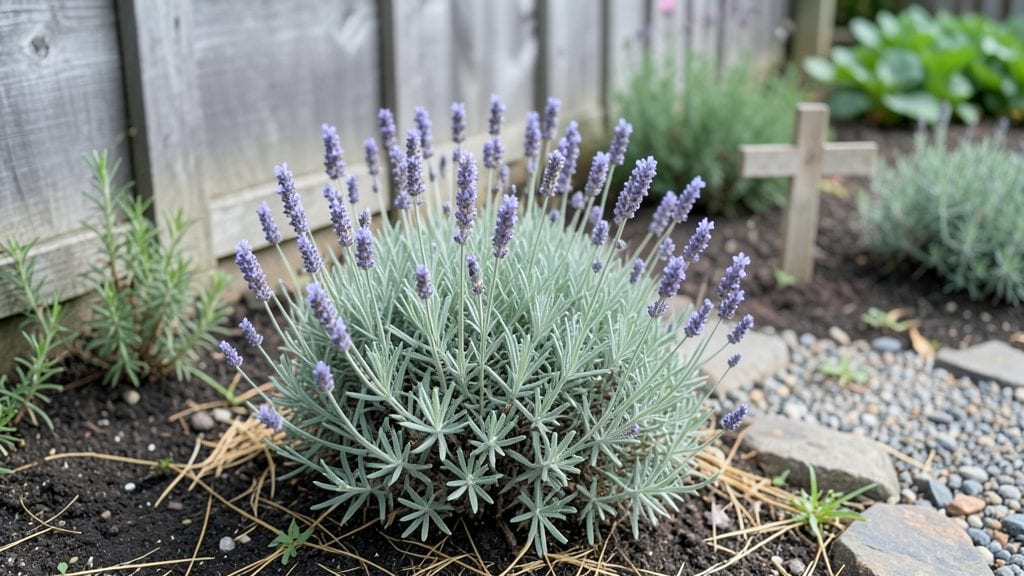
These prayer garden plans turn your yard into a sacred retreat—where every plant and path whispers intention, from lavender for peace to sunflowers for hope, all guided by a thoughtful layout. ✨ guide your steps.
I’ve created gardens like this for friends who just needed a spot to breathe, and the difference in their daily peace is undeniable.
Start with a focal point—a simple bench under a weeping cherry or a small fountain’s gentle sound. Add native perennials like coneflowers or hostas for resilience, and layer in low-maintenance ground covers to soften the paths.
The key is balance: enough greenery to feel enclosed, but open enough to let light and air move freely. Even a 5’x10’ plot can hold deep meaning when arranged thoughtfully.
You’ll end up with a space that feels like a hug—textured foliage to touch, fragrant blooms to scent the air, and a layout that naturally invites stillness. The right plants will thrive with minimal care, leaving you free to sit, pray, or simply listen to the wind.
This isn’t just gardening; it’s crafting a retreat where your soul can rest.
Works for urban balconies or sprawling backyards, and adapts to any faith or personal practice. The only rule? Make it yours. Here’s how to begin.
📚 In This Guide
- What you need
- Instructions
- Tips and common mistakes
- Wrapping up and next steps
What you need
- ● Soil & Amendments: Topsoil (2–3 cubic yards, depending on garden size)
- ● Compost (1–2 bags) for nutrient-rich soil
- ● Organic mulch (cedar or pine, 2–3 bags) to retain moisture
- ● Plants & Symbolic Blooms: Native flowering plants (e.g., lavender, roses, sunflowers—3–5 per type)
- ● Herbs (rosemary, thyme, or mint—2–3 plants for fragrance and healing)
- ● Small trees or shrubs (e.g., olive, fig, or Japanese maple—1–2 for structure)
- ○ Optional: Prayer flags, wind chimes, or stone markers (for personalization)
- ● Hardware & Structures: Gravel or sand (1–2 bags, for pathways or borders)
- ● Wooden or stone borders (4–6 pieces, 2–3 ft long)
- ● Benches or meditation cushions (1–2, weather-resistant)
- ○ Optional: Trellis or arbor (for climbing plants, if desired)
- ● Garden shovel & trowel (for digging and planting)
- ● Wheelbarrow (to haul soil and materials)
- ● Rake & hoe (for leveling and weeding)
- ● Measuring tape & string (to mark layouts)
- ● Pruners & gloves (for safety and precision)
- ○ Optional: String lights or solar-powered lanterns (for evening ambiance)
- ● Location: Choose a spot with partial shade (if in a hot climate) or morning sun for gentle warmth.
- ● Water Access: Ensure proximity to a hose or irrigation system for plant care.
- ● Permits (if applicable): Check local regulations for outdoor structures or significant landscaping.
- ● Personal Touches: Sketch a rough layout or gather symbolic items (e.g., a small fountain, prayer stones, or quotes).
How to design a prayer garden with meaningful symbolism
Transform a quiet corner into a peaceful sanctuary where every plant carries purpose and intention.
🌱 Step 1: Choose a Sacred Layout and Central Focus
Start by selecting a sunny to partially shaded spot with at least 4 feet of open space—this will be your garden’s heart. I like to place a small fountain, bench, or stone altar at the center, surrounded by 4 symbolic plants (one for each cardinal direction). This creates a balanced, intentional design that invites reflection.
Mark the center point with a stake or string, then measure 3 feet outward in each direction to outline the planting area. Here’s the thing—prayer gardens thrive when they feel intentional, so avoid winding paths. Instead, opt for straight lines or gentle curves that guide visitors inward toward the focal point.
🌿 Step 2: Select Plants With Spiritual Meaning
Pick 4-6 plants that hold significance for your faith or personal beliefs. For example, lavender (purification), rosemary (remembrance), sunflowers (joy), and white lilies (purity) create a powerful combination. I always include at least one evergreen (like boxwood) for year-round symbolism.
Plant 3-5 of each variety in clusters of 3, spacing them 18-24 inches apart to allow airflow and easy maintenance. Dig holes twice as wide as the root ball and just as deep, then water deeply after planting. This ensures roots establish quickly—critical for a garden meant to endure.
☀️ Step 3: Add Pathways and Boundaries for Clarity
Define the garden’s edges with gravel, stepping stones, or low shrubs to create a sense of separation from the surrounding area. I prefer light-colored gravel because it reflects sunlight gently and stays cooler underfoot. Lay down 2-3 inches of gravel over a landscape fabric base to prevent weeds.
For pathways, use flat stones or pavers spaced 6-8 inches apart, leaving gaps filled with sand. This allows rainwater to drain while still guiding visitors through the space. Keep pathways at least 2 feet wide—narrower ones feel restrictive, and you want this retreat to feel open and inviting.
✂️ Step 4: Incorporate Water and Wind Elements
A small tabletop fountain or birdbath adds soothing sound and movement, which are essential for meditation. Place it near the center but not directly on the altar—3-4 feet away works well. If you don’t have a fountain, a wind chime or bamboo flute hung from a tree branch creates a similar calming effect.
For extra tranquility, add a few tall grasses or ornamental grasses (like maiden grass) near the edges. They sway gently in the breeze and add vertical interest without overwhelming the space. Just be mindful of their mature height—some varieties can reach 5-6 feet and may need trimming twice a year.
🪴 Step 5: Maintain With Intention and Reverence
Water deeply 2-3 times per week during the first growing season, then taper to once weekly once plants are established. I always water in the early morning to reduce evaporation and fungal risks. Avoid overwatering—soggy soil invites pests and weakens roots, which defeats the garden’s purpose.
Prune spent blooms regularly to encourage new growth and keep the space tidy. I like to step back and observe the garden weekly, adjusting as needed. If a plant struggles, replace it with something hardier—this is a place of renewal, after all. A small hand pruner and gloves are all you’ll need for upkeep.
Tips & tricks for creating a meaningful prayer garden
Creating a sacred space requires thoughtful planning—here are my go-to strategies for ensuring your prayer garden feels intentional and serene from the very beginning.
Sacred Geometry Matters: When marking your 3-foot radius in Step 1, consider using a simple compass or string tied to a stake to create perfect circles. This subtle geometric precision enhances the garden's spiritual energy. I've found that even small imperfections can disrupt the meditative flow, so take your time aligning those straight lines and gentle curves. The symmetry creates an almost subconscious sense of harmony.
Plant Selection Strategy: In Step 2, don't limit yourself to just the four suggested plants. I like to add a fifth "wildcard" plant that represents personal growth or a specific intention—something like aloe vera (healing) or basil (protection). Just make sure to maintain your 3-5 of each variety in clusters of 3 to keep the design balanced. The key is creating visual harmony while allowing for personal expression.
Pathway Placement Tip: For Step 3, when laying your 2-foot wide pathways, position them to create a natural flow that guides visitors in a gentle spiral toward your central focal point. This subtle movement encourages contemplation as visitors walk. I've noticed that straight pathways can feel too direct for prayer spaces—adding just a slight curve makes all the difference in creating that sacred atmosphere.
Water Feature Wisdom: When placing your water element in Step 4, consider the sound's direction. Position the fountain so its gentle murmur flows toward the seating area, creating a natural acoustic focus. I've found that even small adjustments in placement can transform the garden's ambiance—try it with your fountain 3-4 feet from the center but angled slightly toward where you'll sit.
Pro Tips for Prayer Garden Plans
- Creating a sacred space requires thoughtful planning—here are my go-to strategies for ensuring your prayer garden feels intentional and serene from the very beginning.
- Sacred Geometry Matters: When marking your 3-foot radius in Step 1, consider using a simple compass or string tied to a stake to create perfect circles.
- Plant Selection Strategy: In Step 2, don't limit yourself to just the four suggested plants.
Frequently asked questions
Got questions about creating your own prayer garden? You’re not alone—planning a sacred space takes thoughtfulness! Here are answers to the most common queries to help you design with confidence.
What’s the best time of year to start a prayer garden?
Spring or early fall is ideal! Planting in spring lets you enjoy growth alongside blooms, while fall gives roots time to establish before winter. If you’re in a warmer climate, winter planting can also work—just choose drought-resistant plants like lavender or rosemary.
Do I need a water source, or can I skip it?
Not mandatory, but highly recommended! A small fountain, birdbath, or even a decorative bowl with water adds tranquility and attracts wildlife. If water isn’t feasible, opt for drought-tolerant plants and mulch to retain moisture. A simple Zen sand garden can also create a calming focal point.
How can I incorporate lighting for evening prayers?
Soft, warm lighting enhances serenity. Solar-powered path lights, lanterns, or even candles (in safe holders) work beautifully. String lights or uplighting around trees or shrubs can highlight key areas. Avoid harsh lights—opt for flickering LED bulbs or salt lamps for a sacred glow.
What if my space is small or urban?
Size doesn’t limit spirituality! A windowsill herb garden, a corner with a single prayer stone and succulents, or even a vertical planter with symbolic plants (like jasmine for peace) can work. Use mirrors to amplify light, and keep it clutter-free. Container gardens or hanging plants can also maximize space.
What’s the quickest way to troubleshoot overgrown or invasive plants?
Start with regular pruning—trim back overgrowth in early spring or late summer. For invasive species, dig them out by hand (wear gloves!) or use a vinegar-based herbicide for stubborn roots. Mulching with wood chips suppresses weeds naturally. If all else fails, replace them with low-maintenance perennials like hostas or daylilies.
Wrapping up and next steps
Creating a prayer garden is more than just landscaping—it’s a heartfelt act of devotion and reflection. 🌿 Whether you’re designing a tranquil space for personal meditation or a communal retreat, the key is blending symbolism, serenity, and intentionality.
Your garden can become a sacred haven where every bloom, stone, and pathway whispers peace.
Now that you’ve gathered inspiration and tools, take the next step: sketch your vision, gather materials, and start planting with purpose. Remember, the most beautiful gardens grow from love—and yours will too! 🌸