Vegetables
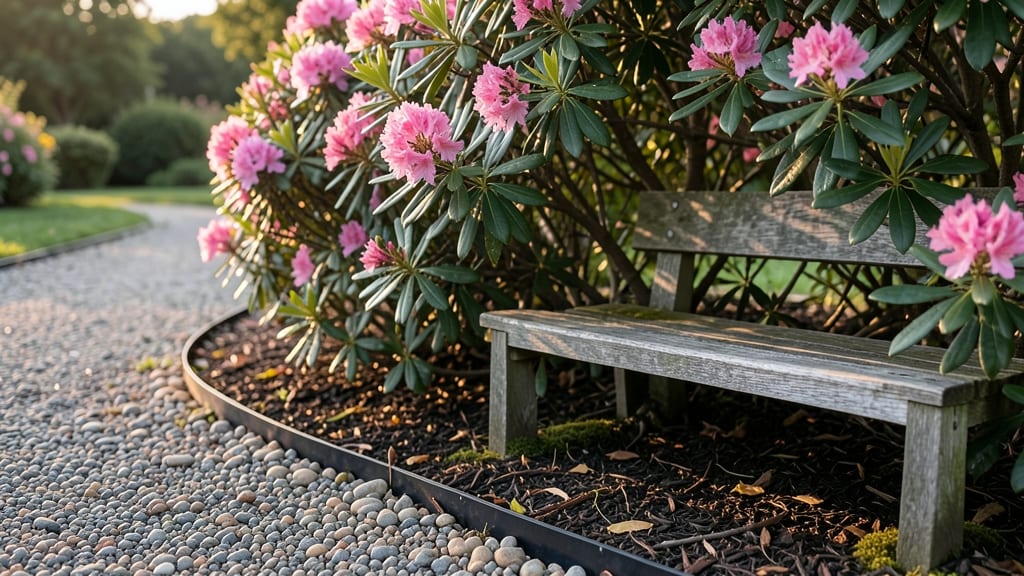
Seattle’s public gardens prove you can have year-round blooms without wasting water—something I’ve tried (and failed) to replicate in my own yard. 🌿 The city’s top gardens blend drought-resistant plants with bold color schemes, creating spaces that feel lush even in rainy seasons.
What makes them special isn’t just the flowers, but how they use native species and smart irrigation to stay vibrant without guzzling resources.
Take the Washington Park Arboretum, where seasonal displays shift seamlessly from camellias in winter to rhododendrons in spring. The secret? Layering plants with similar water needs and choosing varieties that thrive in Seattle’s mild, wet climate.
You’ll spot perennials like sword ferns and salal mixed with drought-tolerant shrubs, all designed to minimize maintenance while maximizing impact.
Visiting these gardens isn’t just inspiring—it’s a masterclass in sustainable landscaping. You’ll leave with ideas for your own garden, whether it’s swapping thirsty annuals for succulents or creating a layered border that blooms from early spring to late fall.
The best part? Many offer free workshops on replicating these techniques at home.
Pro tip: Check the Seattle Garden Tour in summer for behind-the-scenes looks at private gardens using similar principles. Even if you can’t travel, their plant lists and design tips will transform how you approach your own outdoor space—without the water bill sticker shock.
📚 In This Guide
- What you need
- Instructions
- Tips and common mistakes
- Wrapping up and next steps
What you need
- ● Drought-resistant plants: 5-10 native or adapted species (e.g., lavender, sedum, yarrow, oregon grape, or Seattle’s beloved Ceanothus). Pro tip: Check Seattle’s blank">Parks Department for region-specific recommendations!
- ● Soil: 2-3 cubic yards of well-draining, organic-rich soil (amend with compost for nutrient balance). Avoid heavy clay—Seattle’s soil can be tricky!
- ● Mulch: 2-3 bags of wood chips or gravel (3-4 inches deep) to retain moisture and suppress weeds.
- ○ Drip irrigation system: Optional but highly recommended for Seattle’s unpredictable rain. A basic 50-ft kit with emitters and tubing works for most gardens.
- ● Hand trowel (for precision planting)
- ● Garden gloves (to protect from thorns and soil)
- ● Pruners (sharp, bypass-style for clean cuts)
- ● Wheelbarrow (for hauling soil/mulch)
- ● Watering can or hose with adjustable nozzle (for post-planting care)
- ● Measuring tape (to plan spacing—most drought plants need 12-24" between them)
- ● Sunlight assessment: Map your garden’s light exposure (Seattle’s mix of shade and sun means choosing the right spot is key!).
- ● Water access: Ensure a nearby spigot or irrigation hookup (or plan for portable watering solutions).
- ● Permits (if applicable): Check with blank">Seattle’s City Clerk for rules on large-scale planting in public-adjacent spaces.
- ● Seasonal timing: Plant in early spring (March-April) or fall (September-October) to avoid Seattle’s wet winters.
How to design a year-round Seattle public garden
Seattle’s climate demands beauty that thrives without constant watering—here’s how to create a drought-resistant garden that blooms through every season.
🌱 Step 1: Select Native and Drought-Tolerant Plants
Start with plants that naturally flourish in Seattle’s USDA Zone 8 and Pacific Northwest climate. Native species like Oregon grape (Mahonia aquifolium), salal (Gaultheria shallon), and Pacific dogwood (Cornus nuttallii) require minimal water once established. For year-round color, pair them with hebe (Hebe spp.) for foliage and lavender (Lavandula spp.) for fragrance and drought resistance.
I always group plants by water needs to avoid over- or under-watering. For example, place moisture-loving ferns (Polystichum munitum) near a drip irrigation line while keeping sedum (Sedum spp.) and yucca (Yucca filamentosa) in sun-drenched, well-drained spots. This ensures no plant struggles for resources.
☀️ Step 2: Optimize Sun and Soil for Local Conditions
Seattle’s mix of wet winters and dry summers means soil drainage is critical. Amend native soil with 3-4 inches of compost to improve structure and water retention, but avoid heavy clay amendments that trap moisture. For slopes or areas prone to erosion, use sheet mulching (cardboard + wood chips) to protect roots and reduce water loss.
Position plants based on their light preferences. Pacific rhododendrons (Rhododendron macrophyllum) thrive in partial shade under existing trees, while sage (Salvia spp.) and blanket flower (Gaillardia spp.) need full sun (6+ hours daily). I always sketch a sun map of the space first—Seattle’s overcast days can fool you into thinking a spot gets more light than it actually does.
💧 Step 3: Install Efficient Irrigation for Low Maintenance
Drip irrigation is the gold standard for drought-resistant gardens. Use ¼-inch tubing with emitters spaced 12-18 inches apart to deliver water directly to root zones. Install a rain sensor to shut off the system during Seattle’s frequent downpours, preventing root rot. For larger areas, consider a soaker hose system buried 2-3 inches deep to encourage deep root growth.
Water deeply but infrequently—1-2 times per week in summer—to encourage roots to seek moisture below the surface. You’ll know you’re doing it right when the top 1-2 inches of soil stay dry between waterings while deeper layers remain moist. Mulch with 3-4 inches of wood chips to lock in moisture and suppress weeds.
✂️ Step 4: Prune and Maintain for Seasonal Interest
Prune early spring (March-April) to shape shrubs like Oregon grape and salal, removing dead or crossing branches. For perennials like sedum and hebe, cut back one-third of the foliage in late winter to encourage fresh growth. Seattle’s mild winters mean many plants stay green year-round, but a light trim keeps them tidy without sacrificing blooms.
Fertilize lightly in early spring (March) with a balanced organic fertilizer (10-10-10) to support new growth. Avoid high-nitrogen feeds—they promote lush foliage at the expense of flowers. Instead, focus on phosphorus and potassium to strengthen roots and blooms. I always fertilize after a rain to prevent burn.
🌿 Step 5: Add Seasonal Accents for Year-Round Appeal
Extend the garden’s life with winter interest plants like holly (Ilex aquifolium) for structure and heather (Calluna vulgaris) for color. In summer, tuck in annuals like California poppies (Eschscholzia californica) for fleeting bursts of color—they self-seed happily and thrive on neglect. For fall, Japanese anemones (Anemone × hybrida) provide late-season blooms before their foliage turns golden.
Incorporate textural elements like grasses (Deschampsia cespitosa) or bamboo (Fargesia spp.) for movement and height. I also add stone pathways to define spaces without competing with plants for water. The key is layering—every season should have something blooming, fragrant, or structurally interesting.
Tips & tricks for designing a drought-resistant Seattle garden
Creating a stunning, low-maintenance Seattle garden isn't about luck—it's about understanding the unique climate and applying a few strategic techniques that make all the difference.
Native Plant Pairing: The real secret lies in how you combine plants. I've found that pairing moisture-loving natives like ferns with drought-tolerant sedum creates a self-regulating ecosystem. Place them just 12-18 inches apart—they'll naturally complement each other's water needs, with ferns acting as a living mulch for the sedum during Seattle's dry summers. This spatial relationship is what transforms a collection of plants into a cohesive, water-wise garden.
Soil Science Matters: That 3-4 inches of compost isn't just filler—it's the foundation of your drought-resistant system. I always mix in a handful of worm castings with the compost to boost microbial activity. The key is creating a crumbly, well-aerated soil that holds moisture without becoming waterlogged. For slopes, I recommend using sheet mulching with cardboard first—it breaks down slowly and adds organic matter while preventing erosion during Seattle's heavy winter rains.
Irrigation Intelligence: The 12-18 inch emitter spacing in Step 3 isn't arbitrary—it matches the root zones of most mature plants. I've learned that placing emitters closer to the base of established plants prevents surface evaporation. For new plantings, I temporarily increase watering to 1-2 times daily for the first two weeks to help roots establish before tapering to the recommended weekly schedule. This gives your plants the best chance to develop deep root systems that can withstand Seattle's dry spells.
Seasonal Layering Strategy: The real magic happens when you think about each season's needs. For winter interest, I always include evergreen holly and heather—they provide structure and color when other plants are dormant. In summer, the California poppies self-seed beautifully, creating natural pockets of color that require no maintenance. The trick is to plant these annuals after your perennials are established so they don't compete for water during critical establishment periods.
Pro Tips for Public Gardens Seattle
- Creating a stunning, low-maintenance Seattle garden isn't about luck—it's about understanding the unique climate and applying a few strategic techniques that make all the difference.
- Native Plant Pairing: The real secret lies in how you combine plants.
- Soil Science Matters: That 3-4 inches of compost isn't just filler—it's the foundation of your drought-resistant system.
Frequently asked questions
about Seattle’s public gardens—because every gardener (and visitor!) deserves a little clarity. Here are answers to the most common queries to help you plan your green escapes with confidence.What’s the best time of year to visit Seattle’s public gardens?
Seattle’s public gardens are magical year-round, but spring (March–May) and fall (September–November) offer the most vibrant blooms. Summer (June–August) is perfect for lush foliage and evening events, while winter (December–February) brings serene, snow-dusted landscapes. Pro tip: Check each garden’s website for seasonal highlights—like cherry blossoms at the Washington Park Arboretum or holiday lights at Volunteer Park Conservatory!
Are Seattle’s public gardens drought-resistant? How do they manage water?
Many gardens, like the Seattle Japanese Garden and Discovery Park, prioritize drought-tolerant plants (think succulents, lavender, and native grasses). They use drip irrigation, mulch, and rainwater harvesting to conserve water. Visitors can learn more at interpretive signs or guided tours—sustainability is a key theme!
Are public gardens in Seattle free, or do they charge admission?
Most Seattle public gardens are free to enter, including iconic spots like the Washington Park Arboretum and Volunteer Park. However, some specialty areas—like the Seattle Japanese Garden ($20–$25 for adults)—have paid entry to support maintenance. Always check the official websites for updates, as hours or fees may change.
What should I do if a Seattle public garden is closed due to rain or maintenance?
Seattle’s gardens often remain open in light rain, but heavy downpours or construction may lead to closures. Troubleshooting tip: Sign up for email alerts from the Seattle Parks and Recreation department, or call ahead. Alternatives? Explore nearby gardens like the University of Washington Botanic Gardens (free for students!) or the Chihuly Garden and Glass (paid entry, indoor exhibits).
Can I take photos in Seattle’s public gardens? Are there any restrictions?
Yes! Most gardens welcome photography for personal use, but commercial shoots (weddings, ads) usually require a permit. Avoid drones in protected areas like the Arboretum, and respect "no photography" signs near sensitive plant collections. Bonus: The Seattle Japanese Garden’s koi ponds make for stunning (and legal!) Instagram shots!
Wrapping up and next steps
Seattle’s public gardens prove that beauty and sustainability go hand in hand—offering year-round blooms, drought-resistant plants, and serene escapes without compromising the environment. Whether you’re a gardener, nature lover, or simply seeking inspiration, these spaces remind us that small choices can create big impacts. 🌿
Ready to bring this philosophy to your own garden? Start small: swap a few thirsty plants for native, water-wise varieties and watch your outdoor space thrive—just like Seattle’s! 🌱