
Advice
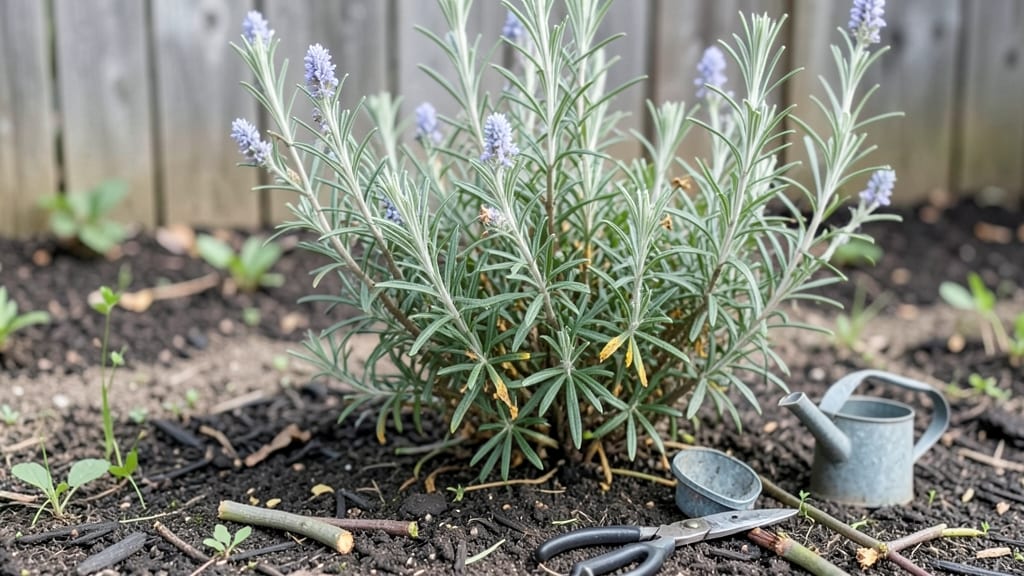
Here are some essential rosemary gardening tips to turn your first attempt into a thriving, fragrant bush—trust me, I nearly killed mine with overwatering before learning its desert roots love dry soil and bright light. thrived for three years straight.
The key isn’t complicated: mimic its Mediterranean home with well-draining soil, plenty of sun, and minimal fuss.
Outdoor rosemary loves full sun and sandy soil, while indoor plants need a south-facing window or grow light. Water only when the top inch feels dry—too much moisture kills it faster than pests.
Prune lightly after harvests to encourage bushier growth, and you’ll have fresh sprigs year-round. Even my black thumb can’t kill these once I got the basics right.
📚 In This Guide
- What you need
- Instructions
- Tips and common mistakes
- Wrapping up and next steps
What you need
- ● Rosemary plants: 1–3 nursery-grown rosemary plants (choose Rosmarinus officinalis for culinary use or dwarf varieties like 'Blue Spires' for small spaces).
- ● Well-draining soil: 5–10 lbs of a cactus/succulent mix (or amend garden soil with 30% perlite/sand for drainage).
- ● Containers (if potted): 1–2 pots per plant (minimum 12" diameter/width) with drainage holes. Terracotta or fabric pots work best.
- ● Sunlight: A spot with 6+ hours of direct sunlight daily (south-facing windowsills or full-sun garden beds).
- ● Watering can or hose: With a gentle spray nozzle to avoid soil erosion.
- ○ Fertilizer (optional): 1 tbsp of balanced organic fertilizer (10-10-10) or slow-release granules at planting time.
- ● Pruning shears: Sharp, clean shears for trimming (sterilize with rubbing alcohol between cuts).
- ● Mulch: 1–2 inches of gravel or pine bark to retain moisture and deter weeds.
- ● pH test kit: To check soil pH (rosemary thrives in 6.0–7.0; adjust with lime if needed).
- ● Support stakes: For tall varieties (e.g., 'Hill Hardy'), use 1–2 bamboo stakes per plant.
- ● Harvesting basket: A small mesh bag to collect pruned stems for cooking or drying.
Step-by-Step guide to growing thriving rosemary plants
Here’s how to cultivate healthy, fragrant rosemary that grows strong and productive year after year.
Choose the Right Location for Optimal Sunlight
Rosemary thrives in full sun, so pick a spot that receives at least 6 hours of direct sunlight daily. A south-facing window or a sunny patio works well for container plants. If growing in the ground, avoid low-lying areas where cold air settles—rosemary hates soggy roots and poor drainage.
Test your spot by observing how much light it gets over a few days. You’ll notice rosemary leaves turn pale or stretch toward the light if it’s not enough. A well-placed plant will develop deep green, glossy foliage within a few weeks of proper sunlight exposure.
Prepare Well-Draining Soil for Strong Root Growth
Rosemary despises heavy, compacted soil. Amend your garden bed with sandy loam or mix in perlite to improve drainage. If planting in containers, use a lightweight potting mix designed for Mediterranean herbs. The soil should feel gritty and drain water within 15-30 minutes after watering.
Dig a hole twice as wide as the root ball and place the plant at the same depth it was in its container. Press the soil gently around the roots to eliminate air pockets. Overwatering at this stage can suffocate roots, so wait until the soil feels dry to the touch before adding more water.
Water Deeply but Infrequently to Encourage Resilience
Rosemary is drought-tolerant once established, so water deeply but only when the top 1-2 inches of soil feel dry. Overwatering leads to root rot, which is nearly impossible to reverse. In containers, check moisture by sticking your finger into the soil—if it’s damp below the surface, wait another day.
After the first month, reduce watering to once every 1-2 weeks, depending on your climate. You’ll know you’re doing it right when the plant develops a woody stem and sturdy branches. Wilting leaves usually mean it’s thirsty, but soggy soil means you’ve overdone it.
Prune Regularly to Maintain Shape and Stimulate Growth
Prune rosemary 2-3 times a year to encourage bushier growth. Use clean, sharp pruners to trim back one-third of the plant in early spring. Avoid cutting into old wood—rosemary doesn’t regrow from bare stems. Focus on shaping the plant rather than harvesting aggressively.
After pruning, place the cuttings in water to root if you want to propagate new plants. Healthy rosemary should never look leggy or sparse. If it does, it’s a sign of either too little light or overwatering. A well-pruned plant will stay compact and produce fragrant foliage year-round.
Protect from Cold and Pests for Long-Term Success
Rosemary is hardy in USDA Zones 7-10, but it can’t handle frost. In colder climates, grow it in containers and move it indoors before temperatures drop below 20°F. If left outside, mulch the base with straw or gravel to insulate roots and prevent heaving.
Watch for pests like spider mites or aphids, which thrive in dry conditions. Spray the plant with a mild insecticidal soap if you spot webbing or sticky residue on leaves. A healthy rosemary plant rarely attracts pests, so proper care keeps it resilient against common garden threats.
Tips & tricks for thriving rosemary plants
Growing rosemary successfully comes down to a few key habits that prevent common mistakes and maximize its hardy nature.
The Sunlight Secret: If your rosemary starts looking pale or stretching toward the light in Step 1, it's begging for more sun. I've seen plants recover from 4 hours of sun to 6 hours by simply moving them to a sunnier spot—watch for that deep green color as your confirmation. In containers, rotate the pot every few days to ensure even light exposure all around the plant.
Soil Drainage is Non-Negotiable: The 15-30 minute drainage test in Step 2 reveals everything. If water pools at the bottom of your container after 30 minutes, you need more perlite or a different potting mix. I once ruined a rosemary plant by using regular garden soil—it took me three tries to get the drainage right. For ground planting, consider building a small mound to improve drainage if your soil tends to stay damp.
Watering Wisdom: That once-every-1-2-weeks guideline in Step 3 works best when you stick your finger in the soil. If it's damp more than an inch down, wait another day. I learned this the hard way when my rosemary developed yellow leaves from overwatering. The key is letting the soil dry out completely between waterings once the plant is established—this mimics its Mediterranean native conditions.
Pruning Payoff: When you trim back one-third of the plant in Step 4, focus on the leggy growth rather than just the top. I've found that cutting just above a set of leaves (where new growth emerges) encourages bushier, more productive plants. And if you're propagating cuttings, place them in water with just the bottom few inches submerged—they root surprisingly fast.
Pro Tips for Rosemary Gardening Tips
- Growing rosemary successfully comes down to a few key habits that prevent common mistakes and maximize its hardy nature.
- The Sunlight Secret: If your rosemary starts looking pale or stretching toward the light in Step 1, it's begging for more sun.
- Soil Drainage is Non-Negotiable: The 15-30 minute drainage test in Step 2 reveals everything.
Frequently asked questions
Got questions about growing rosemary? You’re not alone! Here are answers to the most common rosemary gardening dilemmas—so you can keep your plants thriving with confidence.
How often should I water my rosemary plant?
Rosemary is drought-tolerant, so overwatering is the real enemy. Water deeply once a week (or when the top 1–2 inches of soil feel dry). In containers, check soil moisture daily—potted rosemary dries out faster! Pro tip: Yellowing leaves? You’re likely overwatering.
Can rosemary survive winter outdoors?
It depends on your climate! Hardy rosemary (Rosmarinus officinalis) tolerates USDA Zones 7–10. In colder zones (below 20°F/-7°C), protect it with mulch or move potted plants to a sheltered spot. For extra safety, wrap the pot in burlap or use a frost cloth. Pro tip: Prune back dead growth in spring.
Why is my rosemary turning brown or crispy?
Brown, crispy leaves usually mean too much sun or underwatering. If the edges are dry but the center is green, it’s sunburn—provide afternoon shade. If the whole plant wilts, it’s thirsty. Check soil moisture and adjust care. Pro tip: Harden off new plants gradually to avoid shock.
How do I harvest rosemary without killing the plant?
Harvest sparingly—never take more than 1/3 of the plant at once. Use clean scissors to snip stems just above a leaf node (where new growth emerges). Focus on woody stems first, leaving tender growth for future harvests. Pro tip: Harvest in the morning for the strongest flavor!
Can I grow rosemary indoors? What’s the best setup?
Place your rosemary near a sunny window (south-facing is ideal) or under grow lights (12–16 hours/day). Use a well-draining pot with holes and a terracotta mix. Rotate the pot weekly for even growth. Pro tip: Mist leaves occasionally—indoor air can get too dry!
What can I do if my rosemary becomes leggy or woody?
Leggy or woody rosemary needs a hard prune! Trim back 1/3 of the plant in early spring to encourage bushier growth. Cut just above a leaf node, and avoid shearing (it weakens the plant). Pro tip: Use the pruned stems in cooking or for propagation!
Wrapping up and next steps
Growing rosemary is a rewarding journey—whether you’re a seasoned gardener or just starting out! With the right rosemary gardening tips, you’ll enjoy a fragrant, low-maintenance plant that thrives in your space.
Remember: well-draining soil, plenty of sunlight, and occasional pruning are your best friends for a lush, healthy rosemary bush.
Now that you’re armed with the know-how, why not take the next step? Plant your rosemary today and watch it flourish—your kitchen (and your senses!) will thank you. Happy gardening! 🌿✨