Pests and Diseases
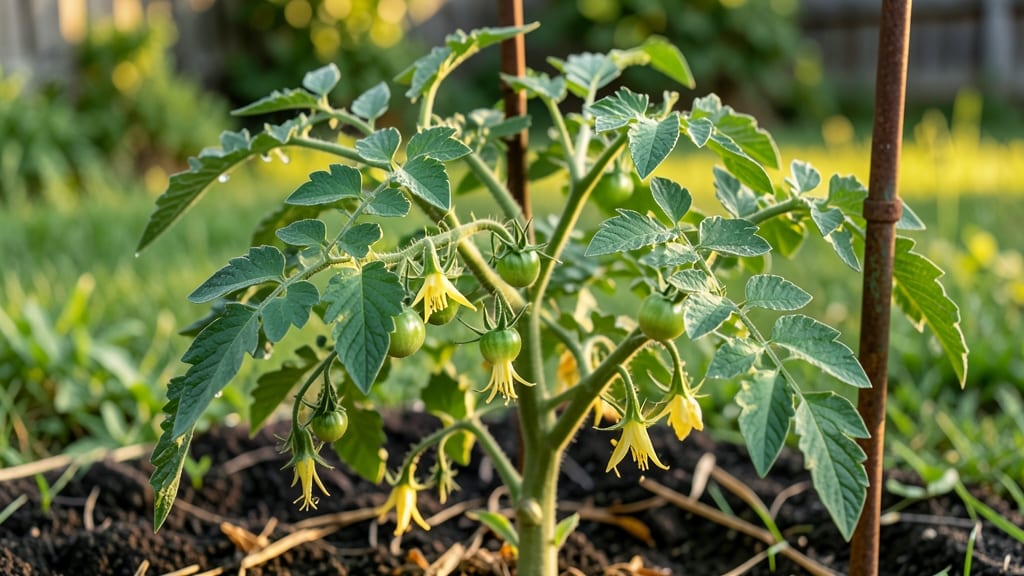
Here are some of the best tomato gardening tips to help you grow tomatoes that taste like summer all year—simple tricks that work whether you’re planting in spring, summer, or even extending the season with containers or cold frames. cold frames.
The key isn’t fancy tools—it’s understanding how tomatoes really grow.
Start with the right soil mix: rich, well-draining, and amended with compost. Plant deep so the stem can develop roots along its length, and give each plant plenty of space to sprawl or climb. Water consistently at the base—never overhead—and prune suckers regularly to focus energy on fruit production.
Most beginners overlook staking or caging, but those supports make all the difference in keeping plants upright and fruits clean.
You’ll end up with glossy, vine-ripened tomatoes that burst with flavor, not the mealy store-bought varieties. The first tomatoes appear in 60-70 days for early varieties, and with proper care, your plants keep producing until frost.
Even if pests or disease show up, I’ll show you how to spot them early and fix them organically before they ruin your harvest.
This works for containers, raised beds, or in-ground gardens—no matter your space. Let’s get those seeds in the ground and start growing tomatoes that’ll make your neighbors jealous.
📚 In This Guide
- What you need
- Instructions
- Tips and common mistakes
- Wrapping up and next steps
What you need
- ● Tomato seeds or seedlings: Choose disease-resistant varieties (e.g., ‘Celebrity,’ ‘Roma,’ or ‘Cherry Tomatoes’). Quantity: 4–6 plants per person (or 1–2 per container).
- ● High-quality potting soil: Use a mix with 50–60% organic matter (e.g., compost + coconut coir). Quantity: 1–2 cubic feet per plant.
- ● Fertilizer: Balanced fertilizer (10-10-10) for planting.
- ● Slow-release organic fertilizer (e.g., worm castings or fish emulsion) for ongoing growth.
- ● Mulch: Straw or shredded leaves to retain moisture and suppress weeds.
- ● Garden trowels or transplanter: For digging holes (5–6 inches deep).
- ● Pruners or shears: For trimming suckers and dead leaves.
- ● Stakes or cages: 6–8 feet tall (tomatoes need support!).
- ● Watering can or hose with a gentle nozzle: Avoid blasting leaves to prevent disease.
- ● Gloves and knee pads: Because gardening is hard work! 😉
- ● Drip irrigation system: Saves time and ensures consistent watering.
- ● Row covers or shade cloth: Protects seedlings from pests and extreme heat.
- ● pH test kit: Tomatoes thrive in 6.2–6.8 pH soil.
- ● Epsom salt: Boosts magnesium for lush foliage (1 tbsp per plant monthly).
Instructions for year-round tomato cultivation success
Mastering tomatoes means balancing timing, soil, and environmental cues—here’s how to keep plants thriving through every season.
Select Varieties Suited to Your Growing Season
Choose determinate varieties for compact harvests or indeterminate types for continuous production. Early-season growers like 'Stupice' tolerate cooler soils, while heat-set varieties such as 'Solar Fire' perform best after 60°F ground temperatures. I always cross-reference my last frost date with seed packets to avoid planting too early—cold soil slows germination and invites rot.
For year-round success, stagger plantings every 2-3 weeks during warm seasons. Keep a garden journal to track which varieties ripen fastest in your microclimate. This prevents gluts and ensures a steady supply of tomatoes from spring through fall.
Prepare Soil and Planting Conditions
Test soil pH and amend to 6.2-6.8—tomatoes demand slightly acidic conditions. Work in 2-3 inches of compost and 1 cup of 10-10-10 fertilizer per 4-foot row before planting. I avoid fresh manure, as its high nitrogen can delay fruiting. Instead, I blend compost with aged leaf mold for structure and moisture retention.
Plant seeds ¼ inch deep in warm soil (at least 60°F). If starting indoors, use biodegradable pots and transplant seedlings when they reach 3-4 inches tall, ensuring roots aren’t disturbed. Harden off seedlings by exposing them to outdoor conditions for 5-7 days before final planting.
Implement Strategic Watering and Mulching
Water deeply once weekly during establishment, then increase to 1-2 inches per week once flowering begins. I use drip irrigation to deliver moisture at the base, avoiding wetting foliage—which reduces disease risk. Mulch with 2-3 inches of straw to retain soil moisture and suppress weeds, keeping roots consistently moist without waterlogging.
Watch for wilting during midday—a sign of insufficient water. Tomatoes have shallow roots, so they need frequent, even moisture. If leaves curl upward, it’s a cry for water; if they yellow and droop, the plant may be overwatered or suffering from root rot.
Prune and Support for Optimal Growth
Remove suckers (the small shoots forming in the leaf axils) to redirect energy to fruit production. I prune indeterminate varieties weekly, keeping only 2-3 main stems for airflow and light penetration. Stake plants with 6-foot bamboo stakes or use cages to prevent sprawling, which can lead to disease.
Pinch off the first flower cluster if seedlings are small—this encourages stronger stem development before fruiting. Once plants reach 18 inches tall, trim lower leaves to improve air circulation. This simple step drastically reduces the risk of fungal infections like early blight.
Monitor for Pests and Adjust Care Seasonally
Scout plants weekly for aphids, hornworms, or whiteflies. I use neem oil as a preventative spray and handpick larger pests like tomato hornworms. For organic control, introduce ladybugs or parasitic wasps—they’re natural predators that keep populations in check without chemicals.
Adjust care as seasons shift: in summer, provide afternoon shade to prevent sunscald on ripe fruit, and in fall, harvest green tomatoes to ripen indoors. By October, I stop fertilizing and focus on harvesting remaining fruit before the first frost—this ensures a final flush of flavor before dormancy.
Tips & tricks for perfect tomato cultivation
These battle-tested techniques will help you avoid common pitfalls and maximize your tomato harvest throughout the year.
Soil Temperature Matters: The 60°F soil temperature requirement in Step 2 isn't just a suggestion—it's critical. I've learned this the hard way after planting in cooler soils that delayed germination by weeks. Use a soil thermometer to verify warmth before planting, especially in spring or fall. If your soil runs cold, consider using black plastic mulch several weeks before planting to warm it naturally.
Staggered Planting Strategy: The 2-3 week planting intervals mentioned in Step 1 create a continuous harvest window that most gardeners overlook. I recommend planting your first batch 2 weeks after your last frost date, then repeat every 2 weeks until summer. This ensures you're always harvesting ripe tomatoes while new plants establish themselves.
Pruning Precision: When Step 4 mentions keeping only 2-3 main stems, this isn't about being minimalist—it's about airflow. I've seen plants with too many stems develop fungal issues despite my best efforts. Use sharp pruners to make clean cuts just above leaf nodes, and remove suckers consistently. This practice alone can triple your yield by redirecting energy to fruit production rather than excessive foliage.
Watering Wisdom: The transition from weekly to 1-2 inches per week in Step 3 requires attention to plant signals. I've developed a simple system: water when the top inch of soil feels dry to the touch. Use a moisture meter for precision, especially during flowering when water needs increase. Morning watering prevents fungal issues by allowing foliage to dry completely before evening.
Pro Tips for Tomato Gardening Tips
- These battle-tested techniques will help you avoid common pitfalls and maximize your tomato harvest throughout the year.
- Soil Temperature Matters: The 60°F soil temperature requirement in Step 2 isn't just a suggestion—it's critical.
- Staggered Planting Strategy: The 2-3 week planting intervals mentioned in Step 1 create a continuous harvest window that most gardeners overlook.
Frequently asked questions
Got questions about keeping your tomato plants thriving? Here are some of the most common concerns—and their solutions—to help you grow like a pro!
How do I know when my tomatoes are ripe for picking?
Tomatoes are ready when they’re fully colored (red, yellow, or your variety’s hue), slightly soft to the touch, and pull easily from the vine. For heirlooms, wait until they’re deep in color—even if it takes longer. Pro tip: Give them a gentle twist; they should separate cleanly from the stem.
Why are my tomato leaves turning yellow?
Yellow leaves usually signal overwatering, nutrient deficiency (like nitrogen), or disease (e.g., early blight). Check soil moisture—it should be damp but not soggy—and test for pests like aphids. If spots appear, prune affected leaves and apply neem oil. Quick fix: Balance watering and feed with compost tea for a nutrient boost.
What’s the best way to deal with tomato hornworms?
These striped caterpillars can devour plants overnight! Handpick them (they’re easy to spot) and drop them in soapy water. For prevention, attract Trichogramma wasps (natural predators) or use row covers early in the season. Bonus: Leave a few eggs—they’ll keep your garden in balance!
Can I grow tomatoes in containers year-round?
Yes! Choose dwarf or determinate varieties (like ‘Tiny Tim’ or ‘Patio Princess’) and use 5-gallon containers with well-draining soil. In cold climates, move pots indoors during winter or use grow lights. Key tip: Rotate containers weekly for even sunlight exposure—tomatoes are sun-worshippers!
What’s the fastest way to revive a struggling tomato plant?
Trim damaged leaves, water deeply at the base (not overhead), and fertilize with a balanced 10-10-10 or compost. Prune suckers (side shoots) to redirect energy to fruit. For wilting, check for root rot—if soil smells foul, repot in fresh, sterile mix. Revive hack: A foliar spray of seaweed extract can boost recovery fast!
Wrapping up and next steps
Growing tomatoes is a rewarding journey that blends patience, care, and a dash of creativity! 🌱 By mastering pest control, disease prevention, and smart seasonal adjustments, you’ll enjoy a bountiful harvest year-round. Remember, every gardener faces challenges—but your green thumb is growing stronger with each lesson!
Ready to take your tomato garden to the next level? Start small: pick one tip from this guide and test it in your next planting cycle. Track your progress, celebrate your wins, and don’t hesitate to share your discoveries with fellow gardeners. Happy growing—your future tomatoes are waiting! 🍅✨