Tools
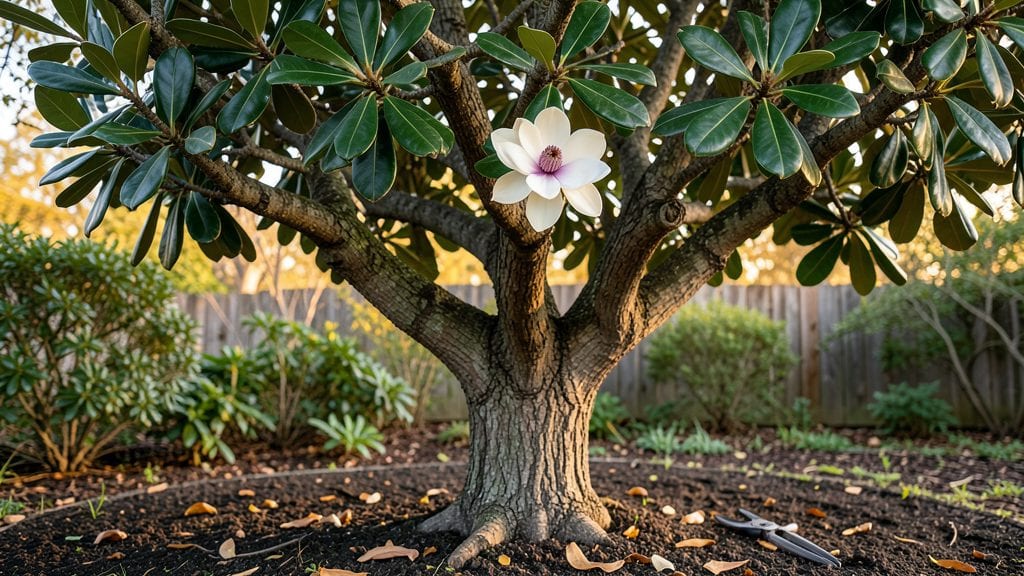
A tree garden bed isn’t just about planting a tree—it’s about creating a living centerpiece that transforms your yard into a layered, year-round masterpiece.
I’ve designed these beds in everything from tiny urban backyards to sprawling suburban lots, and the secret is treating the tree as the anchor while weaving in plants that play off its height and shade.
The right combo turns a single tree into a mini ecosystem where every plant has its own spotlight.
Start with the right tree for your space: dwarf fruit trees for small yards, fast-growing shade trees for privacy, or ornamental varieties for seasonal drama. Then layer in ground covers like creeping thyme underfoot, shrubs like hydrangeas at mid-height, and perennials that bloom when the tree is dormant.
My favorite setup uses mulch rings to keep moisture in and weeds out while giving smaller plants room to thrive. The payoff? A garden that feels lush and intentional, not cramped.
You’ll end up with a space that works harder than a flat flower bed—imagine morning sun filtering through new leaves in spring, summer shade from a canopy, and fall colors that outshine any fall mums. The best part?
This design cuts down on maintenance because the tree’s roots suppress weeds naturally. Plus, pollinators and birds will visit like it’s a five-star resort. Ready to turn that single tree into the star of your outdoor show?
Works for everything from a single Japanese maple in a pot to a full orchard-style bed. The key is matching plant heights to the tree’s growth stages—what looks perfect now might need a tweak in five years. Let’s get growing!
📚 In This Guide
- What you need
- Instructions
- Tips and common mistakes
- Wrapping up and next steps
What you need
- ● Wood or composite lumber (cedar, redwood, or treated wood) – 4x4 posts (4–6 ft tall, 4–6 pieces) and 2x6 boards (for framing, ~8–10 ft total)
- ● Galvanized screws or decking nails – 2.5–3 inches long, ~50–75 pieces
- ● Landscape fabric or hardware cloth – To block weeds/rodents (cut to fit bed dimensions)
- ● Potting soil or lightweight garden mix – ~2–3 cubic feet (depends on bed size)
- ● Drainage material – Gravel, perlite, or coconut coir (1–2 inches)
- ● Small trees or shrubs (dwarf varieties recommended) – 3–5 plants (e.g., citrus, olive, or fruit trees)
- ○ Watering system (optional but helpful) – Drip irrigation kit or self-watering reservoir
- ● Drill/driver + drill bits
- ● Measuring tape & level
- ● Circular saw or handsaw
- ● Staple gun (for landscape fabric)
- ● Wheelbarrow (for soil)
- ● Gloves & safety goggles
- ● Mulch (to retain moisture)
- ● Fertilizer (slow-release or organic)
- ● Decorative stones or pebbles (for aesthetics)
- ● Trellis or support wires (for climbing plants)
Step-by-Step instructions for creating a tree garden bed
Here’s how to transform limited space into a lush, vertical tree garden that thrives year-round.
Choose the Right Trees and Location
Select dwarf or columnar tree varieties—like ‘Green Giant’ arborvitae, ‘Sky Pencil’ holly, or ‘Columnar’ apple trees—that stay compact and fit your bed’s height. I always check mature height labels to avoid surprises. Place the bed in full sun to partial shade (6+ hours of sunlight daily), with protection from strong winds that can stress young trees.
Sketch a rough layout first. Trees should be spaced 3-6 feet apart, depending on their mature width. For example, a 6-foot-tall tree needs at least 4 feet of clearance on all sides to prevent root competition. If your space is tight, opt for smaller varieties like ‘Dwarf Alberta Spruce’ or ‘Little Gem’ magnolia.
Prepare the Soil and Bed Structure
Start by marking the bed’s outline with stakes and string. Dig the area 12-18 inches deep and 2 feet wider than the finished bed to allow for root spread. Amend the native soil with 3 gallons of compost and 1 gallon of slow-release fertilizer per tree, mixing thoroughly. This ensures your trees get a nutrient boost right from planting.
For vertical beds, use landscape fabric to line the sides if needed, especially in sloped areas. Add a 2-inch layer of gravel at the bottom for drainage—this prevents waterlogging, which can rot roots. If you’re using raised beds, ensure they’re at least 12 inches deep to accommodate root growth.
Plant Trees at the Correct Depth and Spacing
Dig holes twice as wide as the root ball but no deeper. Gently remove each tree from its container and loosen the roots if they’re circling. Place the tree in the hole so the top of the root ball sits level with the surrounding soil—burying too deep can suffocate the trunk. Backfill with native soil mixed with 1 gallon of compost per tree, tamping lightly to remove air pockets.
Water deeply immediately after planting to settle the soil. Mulch the bed with 2-3 inches of shredded bark or wood chips, keeping mulch 6 inches away from tree trunks to prevent rot. This layer retains moisture and regulates soil temperature, which is especially helpful in hot climates.
Install Support Structures for Vertical Growth
For trees that need structural support—like espaliered fruit trees or trained shrubs—install sturdy trellises, wires, or cages before planting. Use galvanized metal stakes or wooden posts buried 12 inches deep for stability. For espaliered trees, attach flexible branches to the support with soft tree ties, adjusting as the tree grows to guide its shape.
If your bed has a sloped design, add edging materials like bricks or metal borders to keep soil in place. This also creates clean lines and prevents erosion. Water the bed thoroughly after installing supports to help roots establish quickly.
Maintain Watering and Pruning for Long-Term Health
Water newly planted trees deeply 2-3 times per week for the first 4-6 weeks, ensuring the soil stays moist but not soggy. After establishment, reduce watering to once a week unless you experience extended drought. Use a soaker hose to deliver water slowly at the base, avoiding wetting the foliage to prevent disease.
Prune trees in early spring before new growth begins. Remove any dead, diseased, or crossing branches, and shape the tree to encourage a strong structure. For vertical beds, prune to maintain the desired height and width—this keeps the design tidy and prevents overcrowding. Fertilize lightly in early spring and mid-summer with 1 gallon of balanced fertilizer per tree.
Tips & tricks for perfect tree garden bed design
Creating a thriving vertical tree garden requires attention to detail that pays off in lush, space-saving greenery. Here are my go-to strategies for making your tree garden bed both beautiful and functional.
Tree Selection Strategy: When choosing trees in Step 1, prioritize varieties labeled "columnar" or "dwarf" on the tag—these are specifically bred for vertical spaces. I always check the mature height range on the label to ensure they'll fit your bed's height without outgrowing it. For example, a 'Green Giant' arborvitae might reach 30 feet tall in open ground, but its columnar form stays under 15 feet—perfect for vertical planting.
Soil Preparation Secret: In Step 2, don't skimp on the compost and fertilizer. I recommend mixing in an additional 1/2 gallon of worm castings per tree for extra microbial activity that helps roots establish faster. For clay-heavy soils, add 1/4 inch of coarse sand to improve drainage before planting. The 2-inch gravel layer at the bottom is especially critical—it prevents waterlogging that can suffocate roots in vertical beds.
Planting Depth Visual: Step 3's most common mistake is burying trees too deep. To check depth correctly, hold the tree at soil level and mark where the root flare (the bulge where roots meet trunk) sits. This should be just above soil level after planting. I use a small stake to mark this reference point before digging holes—it saves time and prevents over-planting.
Support System Insight: For Step 4's support structures, I recommend using galvanized metal trellis panels instead of wooden frames—they won't rot and provide better long-term support. When attaching branches, use soft tree ties and adjust them every 4-6 weeks as the tree grows. This prevents girdling (where ties cut into bark) and maintains proper growth patterns.
Pro Tips for Tree Garden Bed
- Creating a thriving vertical tree garden requires attention to detail that pays off in lush, space-saving greenery.
- Tree Selection Strategy: When choosing trees in Step 1, prioritize varieties labeled "columnar" or "dwarf" on the tag—these are specifically bred for vertical spaces.
- Soil Preparation Secret: In Step 2, don't skimp on the compost and fertilizer.
Frequently asked questions
Got questions about creating a tree garden bed? You’re not alone! Here are some of the most common concerns—and their practical solutions—to help you design a thriving vertical space with confidence.
What’s the best time of year to plant a tree garden bed?
The ideal time is early spring or fall, when temperatures are mild and rainfall is steady. This gives roots time to establish before extreme heat or cold. For container-grown trees, you can plant year-round in temperate climates, but avoid frost or drought periods. Pro tip: If planting in summer, water deeply 2–3 times a week for the first month!
Will a tree garden bed damage my tree’s roots over time?
Not if designed properly! Use well-draining soil and avoid compacting the root zone. Opt for fabric-lined or modular planters to prevent root circling. Monitor for signs of stress (yellowing leaves, stunted growth) and adjust watering or aerate the soil if needed. Key: Choose slow-growing trees like dwarf fruit trees or ornamental cherries for smaller beds.
Are there budget-friendly alternatives to expensive vertical planters?
Repurpose wooden pallets, gutter systems, or even hanging fabric pockets for herbs and shallow-rooted plants. For trees, use DIY raised beds with cinder blocks or recycled lumber. Check local reuse centers for discounted materials—creativity beats cost!
How do I keep pests away from my tree garden bed?
Prevention is key! Start with healthy soil (add compost or mycorrhizal fungi) and beneficial insects like ladybugs. Use neem oil or insecticidal soap for early signs of aphids or mites. Tip: Mulch with cedar chips (natural pest repellent) and avoid overwatering, which attracts fungus gnats.
How much space does a tree really need in a vertical bed?
Most trees need at least 12–18 inches of depth and 18–24 inches of width per trunk diameter. For example, a 3-inch caliper tree (like a dwarf apple) thrives in a 24" deep × 24" wide bed. Dwarf varieties are your best bet—check the tag for mature size! Warning: Avoid overcrowding; space trees 6+ feet apart for airflow.
Wrapping up and next steps
Creating a tree garden bed is a brilliant way to maximize your small yard’s potential while adding beauty and functionality. With the right materials, design, and care, you can transform vertical space into a thriving green oasis—perfect for trees, shrubs, or even herbs. 🌿
Now that you’re armed with the know-how, it’s time to roll up your sleeves and get growing! Start by sketching your design, gathering supplies, and planting with confidence. Every small step brings you closer to a lush, space-efficient garden that’s as rewarding as it is stunning. Happy gardening! 🌱