Companion Plants
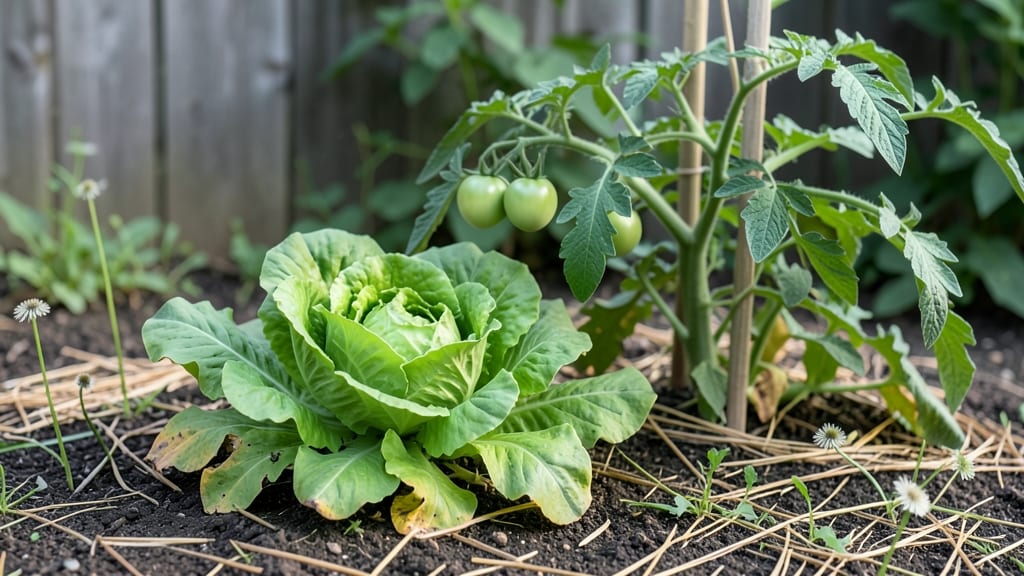
Victory garden plants are the secret weapon behind thriving, space-efficient harvests that feed both you and the bees. 🌱 I planted my first victory garden after seeing how quickly my neighbors' plots produced food—and flowers—that outlasted store-bought anything.
The key isn't just growing vegetables; it's choosing plants that work together, attract pollinators, and keep giving from spring to frost.
Think beyond just tomatoes and lettuce—herbs like basil and dill double as pest control, while flowers like marigolds and borage bring in bees while repelling harmful insects. My 5x5-foot plot now yields more than my old 4x8-foot garden did, thanks to vertical trellises for peas and pole beans.
The best part? These plants don’t just feed your table—they feed your local ecosystem too.
You’ll end up with a garden that’s productive year-round, from early spring radishes to late-fall kale, all while supporting butterflies and hummingbirds. The secret is layering plants by height and season, so nothing goes to waste.
Even in small spaces, this approach turns a patch of dirt into a self-sustaining powerhouse.
Whether you’re reviving a backyard plot or working with containers, these plants adapt easily. Start with just a few varieties, then expand as you see what thrives in your space.
The best victory gardens aren’t about perfection—they’re about resilience, just like the ones from World War II that inspired this movement.
📚 In This Guide
- What you need
- Instructions
- Tips and common mistakes
- Wrapping up and next steps
What you need
- ● Seeds: Choose a mix of pollinator-friendly annuals and perennials (e.g., bachelor’s buttons, black-eyed Susans, coneflowers, or bee balm). Aim for 10–20 seeds per plant, depending on spacing needs.
- ● Potting soil: 1–2 cubic yards (or 10–20 bags of high-quality, well-draining potting mix). Look for labels with organic matter and slow-release fertilizer.
- ○ Compost: 1–2 bags (optional but boosts soil health and plant resilience).
- ● Mulch: 1–2 bags (straw or wood chips) to retain moisture and suppress weeds.
- ● Garden gloves (1 pair) – Protect your hands from thorns and dirt.
- ● Hand trowel – For digging small holes and transplanting seedlings.
- ● Pruners – Sharp, bypass-style for clean cuts (avoid dull blades!).
- ● Watering can or hose with a soft spray nozzle (gentle watering prevents seed displacement).
- ● Measuring tape – Essential for spacing plants correctly (check seed packets for guidelines).
- ○ Stakes or trellis (optional) – For climbing plants like morning glories or cleome.
- ● Sunlight: 6+ hours of direct sun daily (most pollinator plants are sun-worshippers!).
- ● Water source: Easy access to water (drip irrigation or a hose works best).
- ● Space: 10’x10’ minimum for a starter pollinator garden (expand as you grow!).
- ● Time: 1–2 hours/week for planting, watering, and maintenance.
Step-by-Step guide to planting a pollinator-powered victory garden
Here's how to create a thriving, bee-friendly garden that blooms from spring through fall.
🌱 Step 1: Choose the Right Pollinator-Friendly Plants
Select a mix of native perennials and annuals that provide continuous blooms. I recommend starting with coneflower (Echinacea), black-eyed Susan (Rudbeckia), and bee balm (Monarda)—these are tough, drought-tolerant, and packed with nectar. Add sunflowers (Helianthus) for height and basil (Ocimum) for both pollinators and your kitchen. Native plants like purple coneflower (Echinacea purpurea) and goldenrod (Solidago) are especially effective because they’ve co-evolved with local bees and butterflies.
For a four-plant victory garden, I plant two perennials (like coneflower and bee balm) and two annuals (sunflowers and basil). This ensures early, mid, and late-season blooms so pollinators always have food. Avoid hybridized flowers bred for looks over function—they often lack pollen or nectar. Stick to open-pollinated varieties labeled "pollinator-friendly" or "bee-friendly."
🪴 Step 2: Prepare the Soil for Pollinator Success
Pollinators thrive when plants grow strong, so rich, well-draining soil is non-negotiable. Work 2-3 inches of compost into the top 6 inches of soil—this improves moisture retention and microbial activity, which helps roots access nutrients. I test my soil pH first (aim for 6.0-7.0 for most pollinator plants) and amend with pelletized lime if needed. Avoid fresh manure; it can burn tender roots and attract pests.
Loosen the soil with a broadfork or garden fork to a depth of 12 inches, breaking up compacted layers. This encourages deep root growth, which makes plants more resilient during dry spells. If your soil drains poorly, mix in sand or perlite to improve aeration. The goal is soil that holds moisture but doesn’t stay soggy—pollinators won’t visit stressed plants.
☀️ Step 3: Plant for Continuous Bloom and Sun Exposure
Place taller plants like sunflowers (3-4 feet) at the north or west edge of the bed so they don’t shade shorter varieties. Coneflowers and bee balm (2-3 feet tall) go in the center, while basil and marigolds (1-2 feet) fill the south or east side. Space perennials 18-24 inches apart and annuals 12-18 inches apart—crowding invites disease and reduces airflow, which pollinators avoid.
Ensure full sun (6+ hours daily) for maximum blooms. Most pollinator plants wilt or produce fewer flowers in shade. If your garden gets partial shade, choose shade-tolerant varieties like columbine (Aquilegia) or foxglove (Digitalis). Water deeply once a week after planting, then taper to every 10-14 days once established. Overwatering drowns roots and deters pollinators—look for wilting leaves as a sign it’s time to water.
💧 Step 4: Maintain Blooms and Support Pollinators Year-Round
Deadhead spent flowers every 2-3 weeks to encourage more blooms. For perennials like coneflower, I snip back 1/3 of the stem after the first flush of flowers to promote a second bloom cycle. Avoid cutting back too late in the season—seed heads provide food for birds and overwintering insects. Leave a few sunflower stalks standing for finches and goldfinches.
Add a small water source like a shallow dish with pebbles (so bees can drink without drowning). Place it near the garden but away from direct sun to prevent evaporation. Mulch with 2-3 inches of straw or wood chips to retain moisture and suppress weeds—pollinators prefer gardens with minimal disturbance. If pests appear, opt for neem oil or insecticidal soap instead of synthetic chemicals, which harm bees.
⏰ Step 5: Extend the Season with Strategic Planting
For a year-round pollinator garden, stagger planting times. Start early spring with crocus (Crocus) and lungwort (Pulmonaria) for bees emerging from winter. Add summer-blooming favorites like zinnia (Zinnia elegans) in late May, and fall asters (Symphyotrichum) in early July for late-season support. In Zone 7 and warmer, plant winter-blooming hellebore (Helleborus) for early spring color.
Rotate plants every 3-4 years to prevent soil depletion and pest buildup. Divide perennials like bee balm in early spring before new growth appears. This keeps them vigorous and ensures a steady supply of blooms. By late fall, leave seed heads on a few plants for winter interest and early spring food for pollinators. A well-planned victory garden doesn’t just feed you—it sustains entire ecosystems.
Tips & tricks for perfect pollinator-powered victory gardens
Creating a thriving pollinator garden takes more than just planting flowers—it's about thoughtful design and ongoing care that keeps your garden buzzing all season long.
Plant Diversity is Key: In Step 1, when selecting your four-plant victory garden, prioritize plants that bloom at different times. I like to include early spring bloomers like crocus alongside summer favorites like zinnia. This ensures pollinators always have food sources, even when some plants finish blooming. The goal is continuous nectar production—think of it as a buffet that never closes. For example, pair your coneflower (which blooms mid-to-late summer) with bee balm (which extends into early fall). This staggered approach prevents what I call "the pollinator famine" when all your plants bloom simultaneously and then abruptly stop.
Soil Science Matters More Than You Think: The 2-3 inches of compost mentioned in Step 2 isn't just about feeding plants—it's about creating the right microbial ecosystem. I've seen gardens with perfect pH fail because the soil lacked proper organic matter. After amending your soil, I recommend doing a simple "squeeze test" before planting: Grab a handful of soil and squeeze it. If it crumbles when you release it, you're good to go. If it stays compact, you need more compost or sand. Remember, pollinators won't visit wilted, stressed plants—they're picky like that! The 12-inch deep loosening is especially important in urban gardens where soil gets compacted from foot traffic.
Water Wisely for Pollinator Health: The instructions mention watering once a week after planting, but here's what nobody tells you: Pollinators need water too! In Step 4, when you add that shallow dish with pebbles, place it where you can observe it daily. Bees can't swim, so they'll drown if the water's too deep. I've seen entire bee populations avoid gardens because of this simple oversight. Also, water in the early morning so the foliage dries quickly—wet leaves attract fungal diseases that can stress your plants. And here's a pro move: Add a few flat rocks to the water dish. Bees use them as landing pads to drink safely.
Seasonal Rotation Strategy: The 3-4 year rotation mentioned in Step 5 is one of the most underrated gardening techniques. I learned this the hard way after my bee balm plants became riddled with powdery mildew every summer. When you rotate your plants, you're not just preventing soil depletion—you're breaking pest and disease cycles. For example, after growing sunflowers in one spot, move them to a new location next year. This forces pests to search for their host plants, giving your garden a natural reset. I keep a simple garden map in my notebook to track where each plant family goes each year—it's become my secret weapon for disease-free gardens.
Pro Tips for Victory Garden Plants
- Creating a thriving pollinator garden takes more than just planting flowers—it's about thoughtful design and ongoing care that keeps your garden buzzing all season long.
- Plant Diversity is Key: In Step 1, when selecting your four-plant victory garden, prioritize plants that bloom at different times.
- Soil Science Matters More Than You Think: The 2-3 inches of compost mentioned in Step 2 isn't just about feeding plants—it's about creating the right microbial ecosystem.
Frequently asked questions
about victory garden plants—especially pollinator-friendly blooms—can help you avoid common pitfalls and maximize your harvest. Here are answers to the most pressing questions!Which plants attract the most pollinators?
Bees, butterflies, and hummingbirds love lavender, sunflowers, borage, and coneflowers. These plants provide nectar and pollen year-round. For extra buzz, pair them with herbs like thyme or dill—they’re pollinator magnets too!
When is the best time to plant victory garden flowers?
Start seeds indoors 6-8 weeks before your last frost date for cool-season blooms (like calendula or nasturtium). For heat-lovers (e.g., zinnia or marigold), sow directly after soil warms to 60°F+. Succession planting every 2-3 weeks ensures continuous blooms!
Can I grow pollinator plants in containers?
Choose compact varieties like dwarf sunflowers, pansies, or sweet alyssum. Use well-draining pots (at least 12" deep) and a high-quality potting mix. Just ensure containers get 6+ hours of sunlight and water regularly—container plants dry out faster!
How do I keep pests away from my pollinator plants?
Encourage ladybugs and lacewings—they’re natural pest predators! Spray neem oil for aphids or handpick chewed leaves. Avoid chemical pesticides, as they harm pollinators. Diatomaceous earth works for soil pests like slugs (reapply after rain).
What if my flowers stop blooming?
Deadhead spent blooms regularly to encourage new growth! Some plants (like basil) need a light trim to stay bushy. Over-fertilizing with nitrogen can reduce flowers—switch to a balanced bloom booster (10-10-10) instead. And ensure they get enough sun!
Wrapping up and next steps
Your victory garden is more than just a patch of earth—it’s a thriving ecosystem that supports pollinators while filling your table with fresh, homegrown goodness! 🌸 By choosing season-long blooms like sunflowers, marigolds, and borage, you’re not only boosting your harvest but also nurturing bees, butterflies, and hummingbirds.
These plants are easy to grow, resilient, and packed with benefits, making them the perfect addition to any garden—whether you’re a beginner or a green thumb.
Ready to take the next step? Start small: plant a few pollinator-friendly seeds this week and watch your garden—and your harvest—transform! Share your progress or favorite blooms with fellow gardeners, and let’s grow together. 🌱✨