
Watering
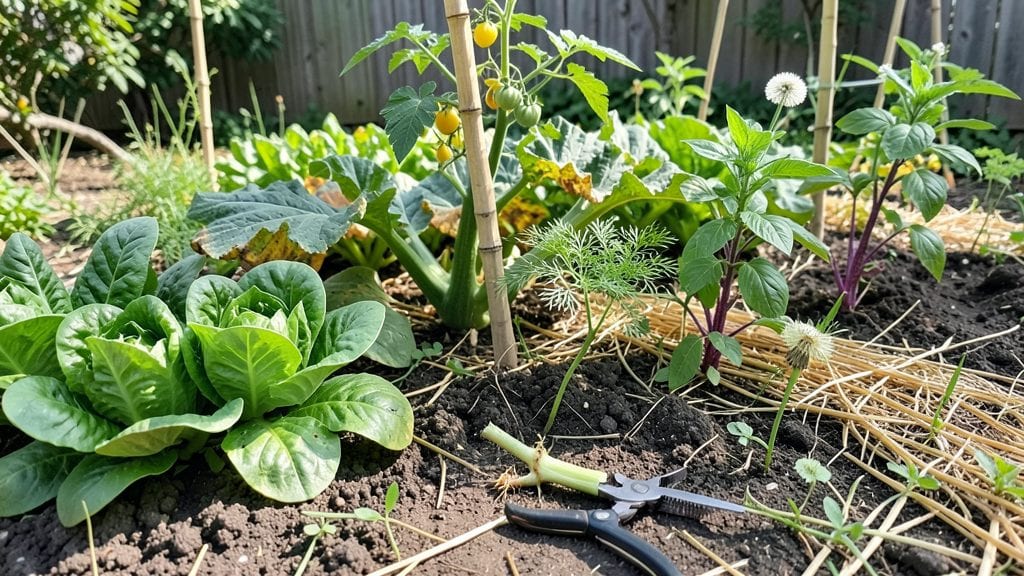
Watering your vegetable garden isn't just about keeping plants alive—it's about unlocking their full potential, and I've learned the hard way that timing matters more than you'd think. 🌱 After years of trial and error (and a few sad tomato plants), I've cracked the code on when, how much, and how to water for maximum results.
The difference between wilted lettuce and crisp, vibrant greens often comes down to a few simple adjustments in routine.
Most gardeners overcomplicate it, but the real secret is consistency: watering deeply 1-2 times per week rather than shallow daily sessions. That means soaking the soil 6-8 inches down—enough to encourage roots to grow deeper, which makes plants stronger and more drought-resistant.
I use a simple screwdriver test to check moisture: if it slides in easily, water again; if it meets resistance, hold off. Morning watering is best because it gives foliage time to dry before evening, reducing disease risks.
What you'll notice after a few weeks is plants that stay perfectly upright, not flopping or wilting by midday. Leafy greens like spinach and kale stay crisp, root crops develop properly, and tomatoes don't crack from uneven moisture.
Even in heatwaves, this method keeps your garden thriving without wasting water or drowning roots. The key is matching your watering schedule to your soil type and the specific needs of each plant.
This approach works for raised beds, in-ground gardens, and even container setups—just adjust the volume to fit your space. Whether you're using a soaker hose, drip irrigation, or a trusty watering can, the principles stay the same. Let's get those roots drinking deep and your plants reaching their peak potential.
📚 In This Guide
- What you need
- Instructions
- Tips and common mistakes
- Wrapping up and next steps
What you need
- ● Watering Can or Hose: A 5-gallon watering can (for small gardens) or a lightweight hose with an adjustable nozzle (for larger plots). Look for one with a gentle spray setting to avoid disturbing soil.
- ○ Drip Irrigation Kit (Optional but Recommended): A basic DIY kit with tubing, emitters, and connectors (e.g., blank">Amazon Basics Drip Irrigation). Ideal for automated, efficient watering.
- ● Soaker Hoses: 10–50 feet (depending on garden size). These slow-release hoses keep roots moist without runoff.
- ● Watering Timer: A smart or mechanical timer (e.g., blank">Orbit B-Hyve) to automate cycles. Pro tip: Set it for early morning (5–9 AM) to reduce evaporation and disease risk. 💡
- ○ Rain Gauge (Optional): A simple gauge to track rainfall and adjust watering schedules.
- ● Well-Draining Soil: Test your soil’s moisture retention (aim for 1–2 inches of water per week, including rain). Amend with compost if soil is clay-heavy.
- ● Mulch: 2–3 inches of organic mulch (straw, wood chips) to retain moisture and suppress weeds.
- ● Know Your Plants: Research water needs by plant type (e.g., leafy greens need consistent moisture; root veggies prefer deeper, less frequent watering).
- ● Moisture Meter: A handheld or probe-style meter to check soil moisture before watering (e.g., Govee Soil Moisture Sensor).
- ● Water Barrels: 55-gallon barrels for rainwater harvesting (equip with a spigot for easy access).
- ● Wireless Weather Station: Monitors humidity and rainfall to fine-tune your schedule.
Step-by-Step guide to watering a vegetable garden
Here's how I water my garden to keep plants strong and productive—no guesswork involved.
💧 Step 1: Water Deeply at Planting Time
When you first plant your vegetables, give them a thorough soaking to settle the soil and eliminate air pockets around the roots. Use 1-2 gallons of water per plant for small vegetables like lettuce or herbs, and 3-4 gallons for larger plants like tomatoes or peppers. Water slowly so it has time to penetrate deeply.
This initial watering helps roots establish quickly and prevents transplant shock. You'll know you've done it right when the soil feels uniformly moist down to 6 inches deep. If the surface stays dry, keep watering until it's damp throughout that depth.
⏰ Step 2: Establish a Consistent Watering Schedule
Most vegetable gardens need 1-1.5 inches of water per week, including rainfall. I water my garden in the early morning between 6-8 AM to reduce evaporation and fungal diseases. Use a rain gauge or tuna can to measure rainfall—fill it with water and check weekly.
For sandy soil, you may need to water more frequently but less deeply. For clay soil, water deeply but less often. Check soil moisture by sticking your finger 1 inch deep—if it feels dry, it's time to water. Overwatering is just as harmful as underwatering, so always let the top inch dry out between waterings.
🌱 Step 3: Adjust for Plant Needs and Weather
Different vegetables have different watering needs. Leafy greens like spinach and kale need consistent moisture, while root crops like carrots and potatoes prefer slightly drier conditions. Water leafy greens every 2-3 days to keep the soil evenly moist, while root vegetables can handle every 4-5 days once established.
During hot, dry spells, increase watering frequency but avoid wetting the leaves to prevent disease. If your garden soil feels dry more than 1 inch deep, it's time to water deeply. Mulch helps retain moisture—apply 2-3 inches of organic mulch around plants to reduce evaporation and keep roots cool.
☀️ Step 4: Monitor for Signs of Overwatering or Underwatering
Yellowing leaves or wilting plants are clear signs of watering issues. If leaves turn yellow and feel mushy, you're overwatering. If leaves wilt and feel crispy, you're underwatering. Adjust your schedule based on what you observe—healthy plants have vibrant green leaves and firm stems.
Pay attention to the soil around your plants. If it stays soggy for more than a day after watering, you're overdoing it. If it cracks or feels bone-dry between waterings, you need to increase frequency. The goal is to keep the soil consistently moist but not waterlogged—think of a well-wrung sponge.
🌿 Step 5: Use the Right Tools for Efficiency
Drip irrigation or soaker hoses deliver water directly to the roots, reducing waste and preventing fungal diseases. If using a hose, attach a gentle spray nozzle to avoid disrupting the soil. Water slowly and evenly, moving the hose around the garden to ensure all plants receive adequate moisture.
For container-grown vegetables, water when the top inch of soil feels dry. Containers dry out faster than in-ground gardens, so check them daily during hot weather. A moisture meter can help you track soil moisture levels accurately—insert it into the soil to get real-time readings.
Tips & tricks for perfect vegetable garden watering
Mastering the art of watering transforms your garden from struggling to thriving—here's what I've learned after years of trial and error in my own plot.
The Deep Watering Secret: In Step 1, when you're giving that initial 1-2 gallon soaking, focus on slow, steady watering rather than a quick dump. I use a gentle watering wand to mimic rainfall, which helps prevent surface runoff while ensuring that 6-inch depth gets properly saturated. Think of it like giving your plants a refreshing shower rather than a splash in the face.
Soil Type Matters: The instructions mention sandy vs. clay soil, but here's the real difference: Sandy soil needs watering every 1-2 days because it drains like a sieve, while clay holds moisture for up to a week once properly soaked. I keep a small notebook by my garden to track which areas dry fastest—this helps me adjust my morning watering routine without guessing.
Mulch Magic: That 2-3 inches of organic mulch in Step 3 isn't just for looks—it's your moisture insurance policy. I spread straw or wood chips right after planting, which cuts evaporation by 30-50% and keeps soil temps stable. The key is to keep mulch 2 inches away from plant stems to prevent rot. Pro tip: Refresh mulch every few months as it breaks down.
Tool Upgrade: While soaker hoses work great, I've found that a smart irrigation timer with soil moisture sensors is a game-changer for consistency. These devices automatically adjust watering based on real-time soil conditions, taking all the guesswork out of that 1-1.5 inch weekly measurement. They're especially helpful when you travel or have irregular schedules.
Pro Tips for Watering Vegetable Garden
- Mastering the art of watering transforms your garden from struggling to thriving—here's what I've learned after years of trial and error in my own plot.
- The Deep Watering Secret: In Step 1, when you're giving that initial 1-2 gallon soaking, focus on slow, steady watering rather than a quick dump.
- I keep a small notebook by my garden to track which areas dry fastest—this helps me adjust my morning watering routine without guessing.
Frequently asked questions
Got questions about keeping your veggie patch hydrated? Here are some of the most common concerns—plus quick, actionable answers to keep your garden thriving!
What’s the best time of day to water my vegetable garden?
Water in the early morning (between 6–10 AM) to minimize evaporation and fungal risks. Avoid evening watering—wet foliage overnight can lead to disease. If you must water later, do it before 6 PM for faster drying. Pro tip: Drip irrigation works best for consistent moisture without wetting leaves!
How often should I water my vegetable garden?
Most veggies need 1–1.5 inches of water per week, including rainfall. Check soil moisture 1–2 inches deep—if it’s dry, it’s time to water. Leafy greens (like lettuce) need frequent, shallow watering, while root crops (carrots, potatoes) prefer deep, infrequent soaking. Adjust for heat: water 2–3x weekly in summer!
Can I use rainwater or collected water for my vegetable garden?
Rainwater is chemical-free and ideal for veggies. Store it in clean barrels (avoid treated wood) and use within 2 weeks to prevent mosquito breeding. Graywater (from sinks/showers) is also safe if free of soap/detergents—just avoid water from dishwashers or laundry machines.
Why are my vegetable leaves wilting even after watering?
Wilting can mean overwatering, underwatering, or root stress. Check soil: Soggy soil = roots suffocating; dry, crumbly soil = thirsty plants. Other culprits? Pests (like aphids) or nutrient deficiencies. Try mulching to retain moisture and adjust your watering schedule—deep watering 2–3x/week often works better than daily shallow drinks.
What’s the easiest way to tell if my plants are getting enough water?
Use the “squeeze test”: Gently press soil near roots—it should feel moist like a damp sponge. If it’s dry, water immediately. For a visual cue, watch for yellowing leaves (underwatering) or mushy stems (overwatering). Herbs and peppers often droop when thirsty but perk up after a drink!
What should I do if I accidentally overwatered my garden?
Don’t panic! Improve drainage by adding compost or perlite to heavy soil. If pots are soggy, move plants to a dry spot and let soil dry out between waterings. For severe cases, trim yellow leaves to redirect energy. Prevent future issues by watering only when the top inch of soil is dry and using containers with drainage holes.
Wrapping up and next steps
Mastering the art of watering your vegetable garden is all about consistency, observation, and timing—and you’ve got the tools to make it happen! 🌱 By choosing the right methods, tools, and schedules, you’re setting your plants up for success, whether they’re sun-loving tomatoes or shade-tolerant greens.
Remember, every drop counts, so stay patient and attentive as your garden grows.
Ready to see your hard work pay off? Start small—pick one bed or section to refine your watering routine, then expand as you gain confidence. Before you know it, you’ll be harvesting vibrant, thriving veggies with ease! 🌿