Picking
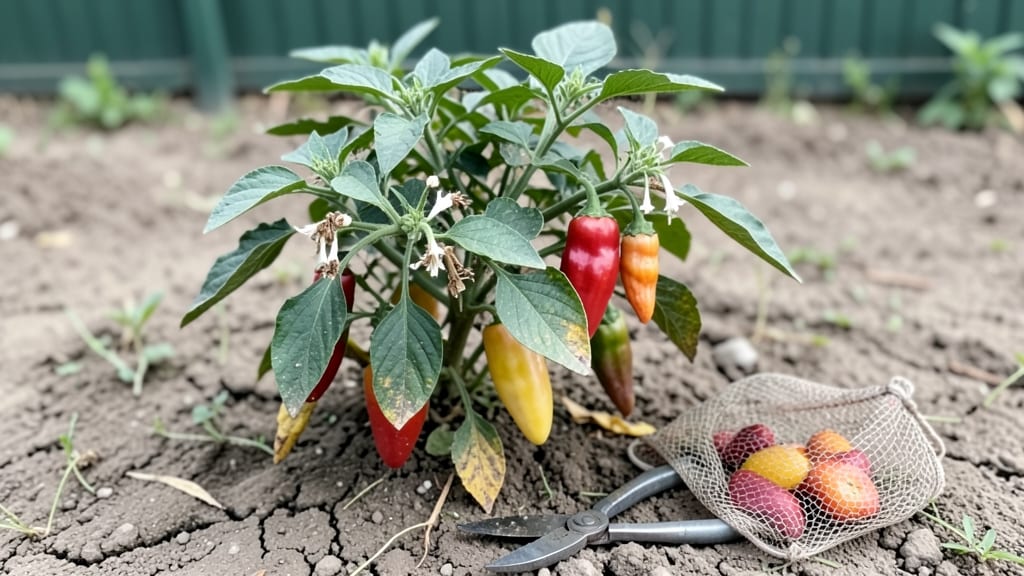
Picking garden salsa peppers at the right time ensures maximum heat and bold flavor—wait too long, and you risk mealy, bitter pods that ruin your homemade salsa.
Timing the harvest is everything—pick too early, and you’ll sacrifice that fiery kick; too late, and they’ll turn soft or lose their vibrant color. But with the right cues, you can nail the perfect moment every time for glossy, firm, and intensely flavorful 🌶️ peppers.
Most gardeners rely on color alone, but ripeness goes beyond just green, red, or yellow. I’ll show you how to test firmness, check the stem, and even read the seeds to confirm when your peppers are ready for the kitchen.
Whether you’re growing jalapeños, serranos, or habaneros, this guide breaks down the science of ripening—so you can harvest at peak spice and preserve that garden-fresh punch all season long.


Color-coded ripeness chart for salsa peppers by variety
Harvesting salsa peppers at the right time transforms flavor and heat from mediocre to explosive. Most varieties transition from green to vibrant colors like red, orange, or yellow as they ripen—but timing varies wildly.
A jalapeño at peak ripeness delivers sweet-spicy depth, while a habanero left too long on the vine risks losing its fiery punch. Below, I’ve mapped out the color cues for 10+ popular salsa peppers, plus size, texture, and heat benchmarks to ensure you never miss the harvest window.
Color isn’t the only clue—skin glossiness, stem separation, and even seed color play roles. For example, a serrano pepper’s skin shifts from matte green to a shiny red when fully ripe, while a cayenne might stay green but develop a waxy texture.
I’ll break down these visual and tactile cues so you can confidently harvest peppers at their peak. Pro tip: Morning harvests yield the freshest peppers, as evening heat can stress the plants and dull flavors.
🌶️ Key rule: Always harvest when peppers feel firm and plump. A soft or wrinkled pepper is past its prime, even if the color looks perfect. Below, the summary table organizes varieties by their ideal harvest color, size range, and heat level.
Use this as your go-to reference during your garden’s peak production months.
🌱 Note: Some varieties (like jalapeños) can be harvested green for milder heat but reach their sweetest flavors when fully colored. Others, such as habaneros, lose heat if left too long.
Pay attention to both color and plant behavior—dropping peppers are a clear sign it’s time to pick!
| Variety | Harvest Color | Size (inches) | Texture Cue | Heat Level | Best For |
|---|---|---|---|---|---|
| Jalapeño | Green → Red | 2–4" | Glossy skin | 2,500–8,000 SHU | Salsas, pickling |
| Serrano | Green → Red | 1–3" | Shiny, firm | 10,000–23,000 SHU | Hot sauces |
| Habanero | Green → Orange/Red | 2–3" | Waxy, matte | 100,000–350,000 SHU | Hot salsas |
| Cayenne | Green (stays green) | 2–5" | Thick, firm | 30,000–50,000 SHU | Powders, sauces |
| Thai Chili | Green → Red | 1–2" | Thin, crisp | 50,000–100,000 SHU | Curries, stir-fries |
| Poblano | Green → Dark Red | 4–6" | Thick, glossy | 1,000–2,000 SHU | Stuffed peppers |
| Chipotle (Dried Jalapeño) | Red (dried) | 3–5" | Leathery, shriveled | 2,500–8,000 SHU | Adobo sauce |
| Fish Pepper | Green → Red | 1–2" | Puckered skin | 50,000–100,000 SHU | Cajun dishes |
| Aji Charapita | Yellow → Orange | 1–2" | Crisp, thin | 30,000–50,000 SHU | Peruvian salsas |
| Bell Pepper (for comparison) | Green → Red/Yellow | 3–5" |
How to test pepper ripeness beyond color (fingerprint method & more)Color isn’t always the best indicator of ripeness—especially when garden salsa peppers mature unevenly due to climate fluctuations or varietal quirks. I’ve learned to rely on tactile and visual cues that go beyond the usual green-to-red spectrum. These methods help me avoid harvesting underripe peppers that lack heat or overripe ones that turn mealy. Let’s explore the most reliable techniques I’ve mastered over years of growing. One of the most fascinating tests is the fingerprint method, which reveals the pepper’s internal maturity. By gently pressing your thumb against the pepper’s skin, you can detect subtle changes in texture that signal readiness. This method is particularly useful for jalapeños and serranos, where color transitions can be ambiguous. Combine this with other tests, and you’ll never second-guess your harvest timing again. How to Test Pepper Ripeness Beyond Color
The stem separation test is another game-changer. When a pepper is truly ripe, the stem will detach effortlessly with a slight twist—no force needed. This is your cue that the pepper has reached its optimal capsaicin levels, delivering that signature kick. I’ve found this especially helpful with habaneros, which can turn bitter if left too long on the plant. A clean stem separation means you’re harvesting at the perfect moment. For a quick, non-destructive check, try the wall-thump method. Hold the pepper against a hard surface and tap it gently—ripe peppers emit a crisp, hollow sound, while unripe ones feel dull. This trick works wonders when you’re harvesting a large batch and don’t want to damage the peppers. It’s also a great way to spot overripe peppers, which often sound soft or mushy when tapped. Don’t overlook the seed color as a final confirmation. Split open a pepper and check the seeds—dark, fully developed seeds mean the pepper is ripe, while pale or undeveloped seeds signal it’s still maturing. This is particularly useful for yellow or orange varieties, where color alone can be misleading. Pro tip: Save the seeds from fully ripe peppers for next year’s garden! Remember, harvesting for size alone is a common mistake. A pepper might look big but still lack flavor or heat. Always combine these tests to ensure you’re picking peppers at their peak. With practice, you’ll develop an instinct for knowing exactly when to harvest—no guesswork required. |