
Planting
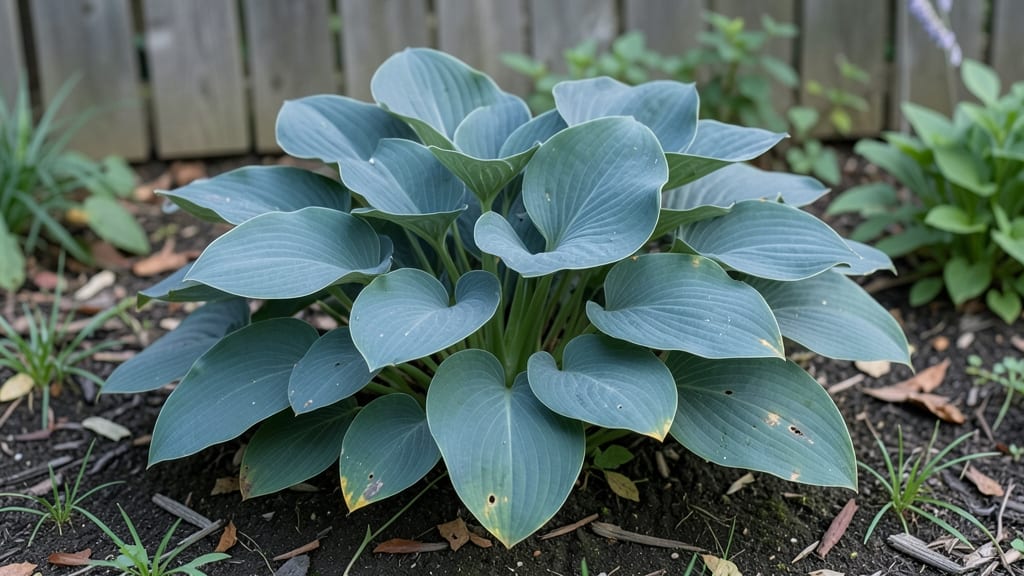
Zone 5 gardening thrives with cold-hardy plants like coneflowers, hostas, and Russian sage, while precise planting timelines—typically mid-April to early June—align with last frost dates and soil temperatures. Focus on perennials, biennials, and early annuals for optimal success in this transitional climate zone.
Zone 5 gardening demands a strategic approach because its 10–20°F winters and 70–80°F summers create a narrow window for planting. The key is selecting plants that can handle late frosts while still thriving in summer heat—think hardy perennials like catmint or cool-season veggies planted early.
Microclimates matter too: urban areas may frost later than rural spots, so always check your local last-frost average before breaking out the trowel. 🌱
Timing is everything in Zone 5. For instance, sowing peas in March lets them mature before summer heat, while tomatoes planted after Memorial Day avoid early blights. My secret?
A mulch blanket in spring keeps roots cool, and I always test soil temps—60°F+ is the magic number for warm-season crops. Adjust for your area’s quirks, like a sheltered south-facing slope that warms faster than the rest of the yard.
💡 In This Article
- Understanding Zone 5 Climate and Its Impact on Plant Selection
- Zone 5 Planting Calendar: Exact Month-by-Month Guidelines
Understanding Zone 5 climate and its impact on plant selection
Zone 5's climate creates a fascinating gardening puzzle because it straddles the line between harsh winters and scorching summers. The average winter lows of 10–20°F force plants to develop deep root systems and tough foliage, while summer highs reaching 70–80°F demand heat tolerance.
This temperature dance explains why Zone 5 gardens thrive with plants that can handle both extremes—like Russian sage, which survives -30°F winters but also flourishes in 90°F heat. The key is selecting species with wide hardiness ranges, typically spanning zones 3–7.
The frost dates in Zone 5 are particularly critical because they determine your planting windows. Most areas experience their last spring frost around April 15–May 15, while fall frosts arrive between October 1–November 15.
These dates create a 150–180-day growing season—just enough for warm-season crops like tomatoes to mature before winter sets in. The science here involves plant dormancy cycles: perennials like hostas enter a metabolic slowdown at 32°F, conserving energy until spring warmth triggers regrowth. 🌱
Microclimates within Zone 5 add another layer of complexity. Urban areas often experience 2–4°F warmer temperatures than rural zones due to the "urban heat island" effect—concrete and asphalt absorb and radiate heat. This means city gardens might have 10–14 days later last frosts than nearby farms.
Conversely, protected microclimates (like south-facing slopes) can warm 10–15°F faster than flat areas, allowing earlier planting of heat-loving plants. Always observe your specific site for 3–5 years to identify these patterns.
Plant selection becomes strategic when you consider these factors. For example, coneflowers (Echinacea) thrive in Zone 5 because they're native to similar climates—their deep roots access moisture during summer droughts while their fuzzy buds insulate against winter cold.
Meanwhile, zucchini plants (zone 3–12) can grow here, but they require consistent soil temps above 60°F—hence the need for black plastic mulch in cooler springs. The overlap between zones 3–7 gives gardeners flexibility, but understanding these boundaries helps avoid costly mistakes.
Soil temperature plays an equally vital role. Warm-season crops like peppers won't germinate until soil reaches 65°F, while cool-season crops like spinach prefer 40–50°F. A soil thermometer becomes your best friend—planting too early can lead to seed rot, while waiting too long may shorten the growing season.
The 10°F temperature difference between day and night in Zone 5 summers also helps prevent fungal diseases by creating natural drying periods. This diurnal shift is why many gardeners swear by drip irrigation during heatwaves—it maintains consistent moisture without promoting fungal growth.
What most gardeners don't realize is how much plant placement affects survival. A north-facing wall might stay 10°F cooler than open ground, creating a microclimate perfect for heat-sensitive herbs like cilantro. Meanwhile, a south-facing bed can support tomatoes planted 2–3 weeks earlier than the general guideline.
These microclimate variations explain why some Zone 5 gardens succeed where others struggle—precision in plant placement often matters more than the plants themselves. 🌿