Vegetables
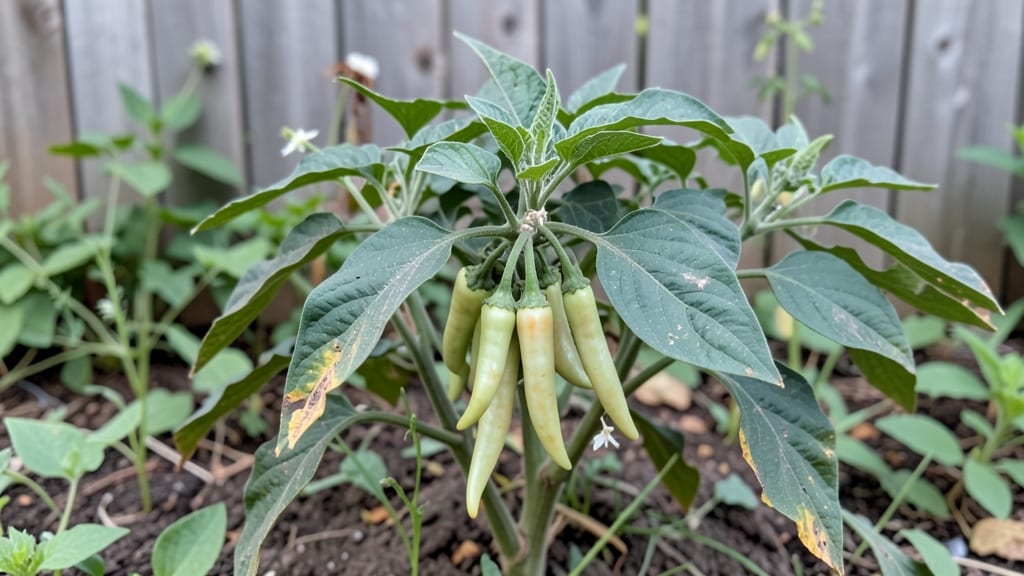
Growing banana peppers in your garden delivers a bold harvest that’s shockingly easy once you know the tricks. 🌱 I’ve grown them for years, and they’ve become my go-to for adding heat without the fuss of chilis—just crisp, golden peppers that pack a mild kick.
The secret lies in warm soil, consistent moisture, and a little patience, but the payoff comes fast.
You’ll need a sunny spot with well-draining soil, a handful of starter plants, and a watering can ready by late spring. Banana peppers thrive in 60-90°F soil, so wait until after the last frost to plant, and keep them evenly moist but not soggy.
A 5-foot-tall trellis helps support their sprawling vines, though they’ll fruit just fine without one.
By midsummer, you’ll be snipping peppers straight from the vine for sandwiches, pickling, or drying. They ripen in 60-70 days, and one plant can produce 50+ peppers if you keep up with pruning and watering. The first harvest is always a thrill—nothing beats the taste of homegrown heat.
Works in zones 8-10 year-round, and in cooler areas, start seeds indoors 8-10 weeks before the last frost. Here’s how to keep them productive all season long.
📚 In This Guide
- What you need
- Instructions
- Tips and common mistakes
- Wrapping up and next steps
What you need
- ● Banana pepper seeds or seedlings: Choose disease-resistant varieties like ‘California Wonder’ or ‘Early Jalepeño.’ Start with 3–5 plants for a small harvest.
- ● Well-draining potting soil: A 5-gallon bag of high-quality potting mix (e.g., Miracle-Gro or Fox Farm) or 1 cubic yard for in-ground planting.
- ○ Containers (optional but helpful): 5–10-inch pots with drainage holes if growing in containers (use 2–3 plants per pot).
- ● Fertilizer: A balanced 10-10-10 NPK fertilizer or organic options like composted manure or worm castings.
- ● Mulch: Straw or shredded leaves to retain moisture and suppress weeds.
- ○ Garden stakes or cages: 5–6 feet tall to support vining plants (optional but recommended).
- ● Trowel or small shovel for transplanting.
- ● Gloves (to protect your hands from prickly stems!).
- ● Watering can or hose with a gentle spray nozzle.
- ● Pruning shears (for trimming and harvesting).
- ○ pH test kit (optional but helpful—banana peppers thrive in 6.0–6.8 pH).
- ● A sunny spot: 6–8 hours of direct sunlight daily (partial shade in hot climates).
- ● Warm soil: Wait until after the last frost (typically 55–60°F+) to plant outdoors.
- ● Patience: Banana peppers take 70–90 days to mature from seed.
Step-by-Step instructions for planting a banana pepper garden
Here’s how to grow vibrant, productive banana peppers with minimal fuss—ideal for containers or garden beds.
🌱 Step 1: Choose the Perfect Planting Time and Location
Banana peppers thrive in warm weather, so start seeds indoors 6-8 weeks before your last frost date or transplant seedlings after all danger of frost has passed. They need full sun (6-8 hours daily) and well-draining soil with a pH between 6.0 and 7.0. I always test my soil first—banana peppers wilt quickly in soggy conditions.
If growing in containers, place them where they’ll receive morning sun and afternoon shade in hot climates. You’ll see slower growth if they bake in midday heat, but the peppers will still ripen—just take longer. For in-ground planting, select a spot with loose, fertile soil amended with 2-3 inches of compost before transplanting.
🪴 Step 2: Prepare Soil and Plant Seedlings
Mix 1 part compost into the top 6 inches of soil to improve drainage and fertility. Banana peppers hate wet feet, so avoid heavy clay soils unless you’ve amended them thoroughly. If planting in containers, use a lightweight potting mix with perlite or vermiculite to prevent compaction.
Dig holes slightly deeper than the root ball and space plants 18-24 inches apart in the ground or 12 inches apart in containers. Gently remove seedlings from their pots, loosen the roots if they’re circling, and place them in the holes. Backfill with soil, firming lightly around the base, and water deeply to settle everything. You’ll know it’s right when the soil looks evenly moist but not muddy.
☀️ Step 3: Water and Fertilize for Maximum Production
Water deeply once a week, aiming for 1-1.5 inches of moisture per session. Let the top 2 inches of soil dry out between waterings—this prevents blossom-end rot and keeps peppers sweet. I water in the early morning to reduce fungal risks, and I always water at the base, avoiding the leaves to prevent disease.
Feed plants every 4-6 weeks with a balanced, water-soluble fertilizer (10-10-10) or a low-nitrogen, high-phosphorus formula (like 5-10-10) to encourage fruiting. Stop fertilizing 4-6 weeks before harvest to let the peppers sweeten naturally. You’ll see faster growth and more peppers when the soil stays consistently moist but not waterlogged.
✂️ Step 4: Prune and Support for Bigger Harvests
Pinch off the first few flowers that appear to encourage stronger root and stem growth. Once the plant is established, let it flower freely—banana peppers produce prolifically! Install cages or stakes early, as plants can grow 3-4 feet tall and benefit from support. I tie stems loosely to stakes with soft plant ties to avoid damaging the stems.
Remove any yellow or diseased leaves promptly to improve airflow and prevent rot. Prune suckers (side shoots) that form in the leaf axils unless you’re growing for transplanting. You’ll notice thicker, bushier plants with more peppers when you keep them pruned and supported—this is key for a bountiful harvest.
🌿 Step 5: Harvest and Store for Long-Term Use
Harvest banana peppers when they’re 3-5 inches long and bright yellow for the best flavor. Use clean pruning shears to cut stems, leaving ¼ inch of stem attached to encourage more production. Pick peppers every 2-3 days in peak season to keep the plant fruiting—neglecting harvests slows production.
Store fresh peppers in the fridge for up to 2 weeks or dry them for long-term use. For drying, thread peppers onto strings and hang in a warm, dry, well-ventilated area for 1-2 weeks until leathery. You’ll love how versatile dried banana peppers are—perfect for seasoning, pickling, or grinding into flakes.
Tips & tricks for perfect banana pepper growth
A few simple strategies will help you avoid common pitfalls and maximize your banana pepper harvest with minimal effort.
Soil Preparation Secret: The 6-inch compost mix in Step 2 is non-negotiable for banana peppers—they're notoriously sensitive to soggy soil. If you're working with heavy clay, mix in an additional 1 part perlite or coarse sand to improve drainage. I've seen plants wilt dramatically in compacted soil, so take the time to loosen the top 8 inches before planting. For container growers, use a mix specifically formulated for peppers or tomatoes—it's worth the investment for that extra drainage.
Watering Wisdom: Those 1-1.5 inches of weekly water in Step 3 require precision. Use a rain gauge or tuna can buried in the soil to measure accurately—visual estimation often leads to overwatering. In hot climates, you might need to water twice weekly, but always let the top 2 inches dry between sessions. The key is consistent moisture without waterlogging, which is why morning watering prevents fungal issues so effectively.
Pruning Payoff: Don't skip the flower pinching in Step 4—it's the difference between a few peppers and a prolific harvest. I pinch the first 3-4 flowers to let the plant establish strong stems, then let it go wild. The plants I've neglected this step with produce 30-40% fewer peppers. And when you do install those cages or stakes, do it early! I've had plants topple over because I waited until they were already heavy with fruit.
Harvest Hack: The 2-3 day harvesting window in Step 5 is crucial for continuous production. Set a reminder on your phone or tie a string around your finger as a visual cue—neglecting harvests slows the plant's fruiting cycle. For drying, I've found that threading peppers onto strings works best when you leave about 1 inch between each pepper. This spacing ensures even airflow and prevents mold during the 1-2 week drying process.
Pro Tips for Banana Peppers Garden
- A few simple strategies will help you avoid common pitfalls and maximize your banana pepper harvest with minimal effort.
- Soil Preparation Secret: The 6-inch compost mix in Step 2 is non-negotiable for banana peppers—they're notoriously sensitive to soggy soil.
- Watering Wisdom: Those 1-1.5 inches of weekly water in Step 3 require precision.
Frequently asked questions
Got questions about growing banana peppers in your garden? You’re not alone! Here are some of the most common queries—and their straightforward answers—to help you cultivate a thriving harvest with confidence.
How long does it take for banana peppers to grow from seed?
Banana peppers are patient but rewarding! From seed, expect 60–90 days to harvest, depending on your climate. If you start with transplants, you’ll shave off about 2–3 weeks. Pro tip: Use a heat mat early on—banana peppers love warmth and may sulk in cool soil.
When is the best time to plant banana peppers in my garden?
Timing is key! Plant after the last frost when soil temps hit 60°F+ (15°C+). In warm climates, sow seeds in early spring; cooler zones can try late spring to summer. For containers, extend your season with black plastic mulch or row covers.
What should I do if my banana peppers turn yellow or wilt?
Yellowing leaves or wilting often signals overwatering, underwatering, or pests. Check soil moisture—peppers hate soggy roots but need consistent hydration. Pests? Inspect for aphids or spider mites; blast off with water or use neem oil. Too much sun? Provide afternoon shade in scorching climates.
Can I grow banana peppers in containers, and what size pot do I need?
Banana peppers thrive in 5-gallon+ containers with drainage holes. Use a well-draining mix (like 60% potting soil + 40% perlite). Bonus: Containers let you move plants to chase sunlight or protect them from frost. Just ensure pots get 6–8 hours of sun daily.
How do I know when banana peppers are ripe for harvesting?
Harvest when peppers turn bright yellow or orange and feel firm to the touch—usually 70–80 days after transplanting. For milder flavor, pick them green (like traditional banana peppers). Use pruning shears to avoid damaging the plant, and harvest regularly to encourage more production!
Wrapping up and next steps
Growing banana peppers in your garden is a rewarding way to add bold flavor and vibrant color to your meals—with minimal effort! Whether you’re a seasoned gardener or a beginner, these versatile peppers thrive in containers or garden beds, offering a harvest that’s both delicious and versatile.
With the right care, you’ll enjoy fresh, fiery peppers straight from your backyard in no time.
Ready to take the next step? Start small—plant a few seeds or seedlings this season and watch your garden transform! Need inspiration? Try preserving your harvest or experimenting with recipes like spicy salsas or pickled peppers. Happy gardening! 🌱🌶️