
Pests
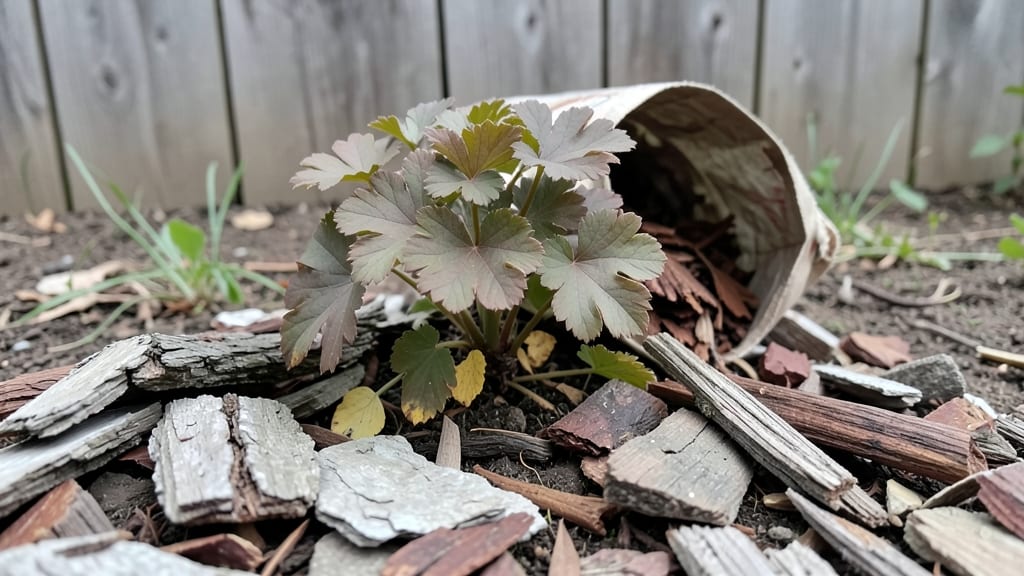
Dealing with bark buildup in garden soil requires systematic removal through raking, tilling, and proper disposal or repurposing to maintain healthy plant growth.
Bark accumulates in garden beds from natural sources like fallen branches, windblown debris, or decomposed mulch.
Over time, this organic matter can create a thick layer that blocks water absorption and suffocates roots by reducing soil aeration. 🌱 I’ve noticed that bark decomposes unevenly—some pieces break down quickly, while others linger for years, creating pockets where moisture gets trapped or drains too fast.
This imbalance disrupts microbial activity, which is crucial for breaking down nutrients plants need.
To address this, start by removing visible debris with a sturdy rake or leaf blower before tilling the top 6 inches of soil. For stubborn bark fragments, a soil sieve works best to separate them from the dirt.
Once removed, you can compost smaller pieces or use them as mulch in other garden areas—just avoid piling it directly on the same soil where you’re planting.
💡 In This Article
- Why Bark Builds Up in Garden Soil
- Best Tools and Techniques for Bark Removal
Why bark builds up in garden soil
Bark accumulates in garden beds primarily through natural processes like fallen branches, windblown debris, and the gradual breakdown of mulch. Trees naturally shed bark fragments during seasonal changes, especially after storms or strong winds.
Even well-maintained mulch layers break down unevenly—larger pieces resist decomposition while finer particles decompose quickly. This creates a patchwork of organic matter that doesn't integrate smoothly into the soil structure.
The decomposition process varies dramatically based on bark type. Softwood bark from conifers like pine decomposes faster due to its lower lignin content, breaking down in 1-3 years. Hardwood bark from oak or maple, however, can persist for 5-10 years or longer because its dense structure resists microbial breakdown.
This uneven decomposition creates pockets where water either pools or drains too quickly, disrupting plant roots' ability to access moisture consistently.
The real damage occurs when bark accumulates in thick layers, creating what gardeners call "bark mat." This layer blocks oxygen from reaching soil microbes, which are essential for nutrient cycling. Without proper aeration, beneficial bacteria and fungi can't thrive, leading to reduced nutrient availability for plants.
The texture also becomes coarse and gritty, similar to adding small gravel to your soil—imagine trying to grow plants in a mix of dirt and pebbles!
Moisture retention becomes another critical issue. Bark fragments create air pockets that prevent water from penetrating evenly. During heavy rains, water may run off the surface instead of soaking in, while dry periods leave roots thirsty.
This inconsistency stresses plants, making them more susceptible to drought or waterlogged conditions. The worst cases resemble a "swampy" effect where roots suffocate from poor drainage combined with limited oxygen.
What most gardeners don't realize is how bark affects soil pH over time. As it decomposes unevenly, it releases acidic compounds that can lower soil pH, particularly in sandy soils. This acidic shift favors certain weeds while inhibiting beneficial microorganisms.
The visual clue? A garden bed where bark has accumulated will often show stunted plant growth, yellowing leaves, or an unusual number of moss patches—all signs of soil stress.
Consider this comparison: healthy garden soil should feel like a moist sponge, while bark-infested soil feels more like a dry, crumbly mix with sharp edges. The difference isn't just texture—it's a complete shift in the soil's ability to support plant life.
Even small amounts of bark can create these problems over time, which is why prevention through regular maintenance becomes crucial.