Pests
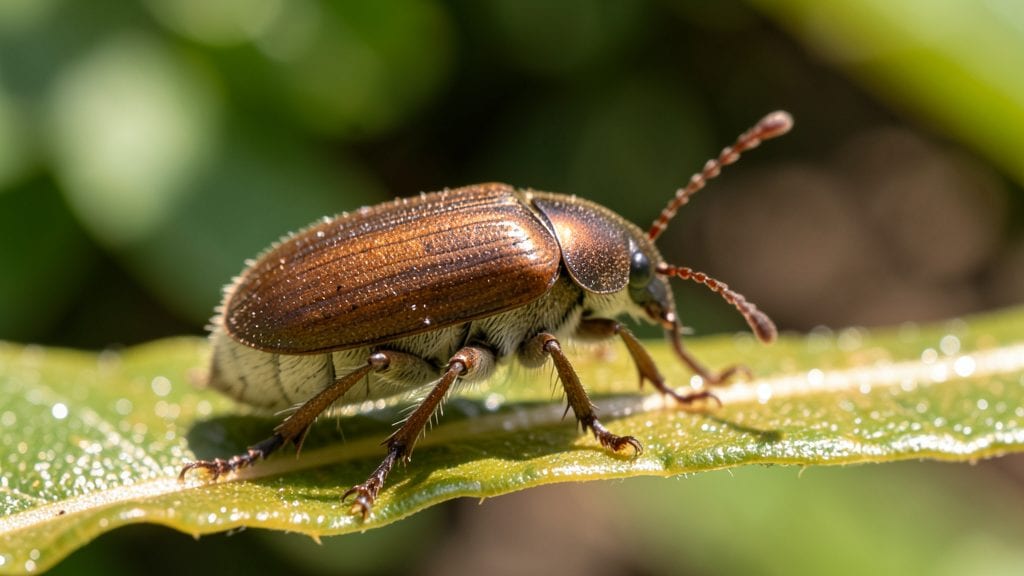
Those plump brown garden beetles rolling across your lawn aren’t just an eyesore—they’re devouring your grass roots and vegetable seedlings before you even notice. 🌱 I’ve spent three summers watching them turn lush lawns into patchy brown carpets, and the key to stopping them isn’t chemicals but clever traps and timing.
The damage starts underground—larvae chew through grass roots, while adults skeletonize leaves, leaving behind a telltale lace pattern. Most people reach for pesticides first, but I’ve had better luck with simple traps like beer-soaked cardboard or diatomaceous earth barriers that disrupt their life cycle without harming pollinators.
By setting up these traps in early summer, you’ll see fewer beetles within 2-3 weeks, and next year’s lawn will stay thick and green. The best part? These methods work for both lawns and vegetable gardens, so you’re not just saving your grass—you’re protecting your tomatoes and carrots too.
Works in North America, Europe, and the UK, though timing shifts slightly with climate. Let’s get those beetles trapped before they ruin your growing season.
Root Causes of Their Invasion
Understanding why these beetles suddenly appear in your garden or home is key to stopping them effectively. Brown garden beetles—often mistaken for Japanese beetles—don’t just show up randomly. Their presence is usually tied to specific environmental and behavioral triggers. Let’s break down the science behind their unwelcome visits.
Brown garden beetles are attracted to organic decay, making overripe fruits, fallen leaves, and rotting vegetation a buffet. Their larvae thrive in moist, decomposing soil, while adults seek out fermenting plant material for food and moisture.
- Why it happens: These beetles rely on microbial activity in decaying matter. As plants break down, they release sugars and alcohols that ferment, emitting odors beetles can detect from yards away.
- Actionable fix:
- Remove fallen fruit, overripe tomatoes, and compost piles from garden edges.
- Rake up leaf litter and mulch regularly—especially in shaded, damp areas.
- Use mulch alternatives like gravel or wood chips that resist moisture buildup.
Adult beetles are nocturnal and drawn to artificial light sources, which disrupt their natural navigation. Streetlights, porch lights, and even phone screens can misdirect them toward homes and gardens.
- Why it happens: Beetles use the moon’s light to orient themselves. Artificial lights confuse their internal compass, causing them to spiral toward illuminated areas instead of flying away.
- Actionable fix:
- Switch to yellow or red LED bulbs (beetles are less attracted to these wavelengths).
- Install motion-sensor lights or timers to minimize nighttime exposure.
- Keep outdoor lights away from garden beds and entry points.
While adults don’t feed on leaves like Japanese beetles, they’re still drawn to gardens with specific flowering plants that emit scents or nectar. Roses, grapes, and even certain herbs can trigger their interest.
| Plant Type | Why Beetles Love It | How to Reduce Appeal |
|---|---|---|
| Roses | Scented blooms mimic fermenting fruit odors. | Prune spent flowers promptly or choose unscented varieties. |
| Grapes & Berries | Sweet nectar and ripe fruit attract swarms. | Harvest crops early or use row covers. |
| Herbs (e.g., Mint, Basil) | Strong aromas lure beetles searching for moisture. | Plant herbs in containers away from garden edges. |
Beetles seek out damp, shaded areas to lay eggs and hide during the day. Porches, basements, and dense shrubbery provide perfect hiding spots—and a shortcut into your home.
- Why it happens: Their exoskeletons dry out quickly in sunlight, so they avoid open spaces. Cracks in foundations, unsealed windows, and leaf piles near structures give them easy access.
- Actionable fix:
- Seal gaps around doors, windows, and vents with caulk or weather stripping.
- Store firewood and mulch at least 20 feet away from your home.
- Install door sweeps to block entry points.
Pro Tip: 💡 Beetles are most active during dog days of summer (July–August). Monitor high-risk areas during these months and act fast to disrupt their life cycle.
Natural Ways to Trap and Remove Them
If you’ve spotted these shiny, brown invaders munching on your garden, don’t reach for harsh chemicals just yet! 🌿🐞 With the right strategies, you can eliminate them naturally while keeping your plants—and your conscience—happy.
Below, we break down targeted fixes based on the root cause of your beetle problem, plus prevention tips to stop future infestations.
Cause: Beetles thrive in dense, unkempt gardens where they hide and breed. Fix:
- Set up beer traps 🍺: Bury a shallow container (like a plastic cup) filled with beer at ground level. The scent attracts beetles, and they drown overnight. Replace every 2–3 days.
- Use vinegar bait stations: Mix equal parts water and apple cider vinegar in a shallow dish. The acidic smell draws them in—add a drop of dish soap to break surface tension and trap them.
- Clear debris 🧹: Remove fallen leaves, mulch piles, and weeds where beetles lay eggs. A tidy garden = fewer hiding spots.
Prevention Tip: 💡 Mulch strategically—use gravel or straw instead of thick organic mulch, which beetles love for nesting.
Cause: Beetles target stressed or young plants (especially roses, beans, and fruit trees). Fix:
- Apple cider vinegar spray 🍏: Mix 1 part vinegar with 3 parts water in a spray bottle. Lightly mist plants at dusk—the strong smell confuses and repels them.
- Overripe fruit traps 🍎: Place a few slices of overripe apples or pears near infested areas. Beetles will crawl in to feed, then get stuck in a soapy water trap underneath.
- Neem oil spray 🌿: Spray a diluted neem oil solution (1 tbsp per quart of water) on leaves. It disrupts their feeding and reproduction cycles.
Prevention Tip: ✨ Water deeply but less often—beetles love damp soil. Ensure good drainage to reduce their habitat appeal.
Cause: Beetles are nocturnal and drawn to light sources. Fix:
- DIY light trap 💡: Place a white sheet over a lamp (or use a blacklight) at night. Beetles will fly toward the light and get trapped. Shake them into soapy water in the morning.
- Wind chimes or fans 🌬️: Beetles dislike movement. Hang wind chimes near entry points or place a small fan on low near plants to deter them.
- Citrus peels 🍊: Scatter orange or lemon peels around the garden. The scent masks plant odors beetles use to locate food.
Prevention Tip: 🌡️ Limit outdoor lighting—use motion-sensor or yellow-toned bulbs (beetles are less attracted to them).
Cause: Beetle larvae (grubs) live in soil, damaging roots before emerging as adults. Fix:
- Cardboard mulch 📦: Lay flattened cardboard boxes over soil in early spring. It smothers overwintering grubs and blocks new eggs from hatching.
- Beneficial nematodes 🐛: Apply Heterorhabditis bacteriophora nematodes to soil—they seek out and kill beetle larvae naturally. Follow package instructions for best results.
- Copper tape barrier 🔄: Wrap copper tape around tree trunks or garden edges. The slight electric charge repels beetles and larvae.
Prevention Tip: 🎯 Rotate crops—plant non-host plants (like marigolds or basil) near susceptible plants to disrupt their life cycle.
Final Pro Tip: 🔥 Timing is everything! Target treatments in early evening (when beetles are most active) or early morning (when they’re sluggish from dew). Consistency is key—check traps daily and reapply natural repellents weekly.
Frequently asked questions about brown garden beetles
How can I tell if my garden beetles are actually brown garden beetles?
Look for plump, oval-shaped beetles about 1/2 inch long with a shiny brown or blackish shell. Unlike Japanese beetles, they lack metallic green or copper coloring. Check for chewed lace-like patterns on leaves—this is their signature damage. Larvae appear as white, C-shaped grubs in soil, which is key for early detection.
Are brown garden beetles harmful to my lawn or vegetable garden?
Yes—they cause two types of damage. Adults chew small holes in leaves (especially roses, grapes, and beans), while their larvae feed on grass roots, creating brown patches that won't recover. In vegetable gardens, they target young seedlings, stunting growth. The good news? Their damage is usually superficial compared to grubs from other beetles.
What's the best time of year to set up traps for these beetles?
Start traps in late May to early June when adults emerge, and continue through August—their peak activity period. For larvae control, apply nematodes or mulch barriers in early spring (March-April) before they hatch. Timing is critical because beetles have only a 6-8 week adult lifespan each summer.
Will beer traps really work for brown garden beetles?
Beer traps are 90% effective because these beetles are attracted to fermenting odors. Bury a shallow container filled with beer at soil level—beetles crawl in and drown. Replace the beer every 2-3 days for best results. For larger infestations, use multiple traps spaced 10 feet apart around your garden perimeter.
Can I use diatomaceous earth on my lawn to stop beetle larvae?
Yes, but with caution. Lightly dust food-grade diatomaceous earth around plant bases and lawn edges in dry weather. It dehydrates larvae and adults, but must stay dry to work. Reapply after rain. For best results, combine with beneficial nematodes—this two-pronged approach disrupts both adult and larval populations more effectively.