Companion Plants
My first garden plants were so easy, I almost felt guilty for calling them "beginner-friendly." 🌱 The right choices mean you can skip the trial-and-error phase where everything either wilts or takes over your yard. I started with three plants that still produce for me today—no special skills required.
These plants handle mistakes better than most beginners do. Snapdragons and marigolds bounce back from missed waterings, while Swiss chard and lettuce grow even in partial shade. Herbs like thyme and oregano thrive in cracks between paving stones, needing just a few hours of sun and occasional snips.
The key is matching plants to your space and light—no fancy soil or tools needed.
You’ll see results fast: snapdragons bloom in 6-8 weeks, lettuce in 4-6, and herbs within months. The plants stay productive all season with minimal effort, and you’ll avoid the heartbreak of watching seedlings die from overwatering or underlighting. Even my black thumb can’t kill these.
Works in containers, garden beds, or windowsills—just pick what fits your sunlight and space. Here’s how to choose the right plants for your first season without the stress.
📚 In This Guide
- What you need
- Instructions
- Tips and common mistakes
- Wrapping up and next steps
What you need
- ● Seeds or Seedlings: Choose 3–5 easy-to-grow plants like basil, marigolds, or lettuce (1–2 packs per plant type). Opt for organic, non-GMO seeds if possible.
- ● Garden Soil: 2–3 bags of potting mix (sterilized, well-draining) or compost (if amending existing soil). Avoid garden soil with weeds or pests.
- ● Containers or Garden Bed: Containers: 5–10 pots (6–12 inches wide) with drainage holes (plastic or terracotta).
- ● Garden Bed: A 4’x4’ raised bed or in-ground plot with full sun (6+ hours/day) or partial shade (4–6 hours).
- ● Watering Can or Hose: A 1–2 gallon watering can with a rose nozzle or a lightweight hose with adjustable spray.
- ● Gloves: 1 pair of gardening gloves (cotton or nitrile-coated for durability).
- ● Hand Trowel: 1 small trowel (6–8 inches) for planting and soil prep.
- ● Pruning Shears: 1 pair of bypass pruners (for trimming plants or harvesting).
- ● Mulch: Straw or shredded bark to retain moisture and suppress weeds (1–2 bags).
- ● Fertilizer: Slow-release organic fertilizer (e.g., 10-10-10) or compost tea for a nutrient boost.
- ● Plant Labels: Wooden or plastic labels to track your beginner garden plants (10–20 labels).
- ● Knee Pads or Stool: For comfort during planting or weeding.
- ● Sunlight Meter: A cheap light meter (or phone app) to check sunlight exposure.
Instructions for growing your first easy garden
Let’s start with four foolproof plants that reward patience with minimal effort.
🌱 Step 1: Pick Your Plants and Prep the Soil
Choose from these four beginner-friendly picks: snap peas, lettuce, radishes, or marigolds. Each handles mistakes better than most plants. Snap peas climb naturally, lettuce grows fast, radishes pop up in weeks, and marigolds deter pests without fuss.
Work the soil until it’s loose and crumbly—no need to till deeply. Just scratch the top 6 inches with a garden fork or trowel. If your soil is heavy clay, mix in 2 inches of compost to help roots spread. A simple soil test (available at garden centers) ensures your pH is between 6.0 and 7.0—most veggies and flowers thrive in that range.
☀️ Step 2: Plant at the Right Time and Depth
Check your last frost date (find it online for your ZIP code) and plant 2-4 weeks after. Snap peas and lettuce go in early spring, while radishes and marigolds handle cooler weather—plant them as soon as soil is workable. Dig holes twice as deep as the root ball for transplants or follow seed packet depth (usually ½ inch for small seeds, 1 inch for peas).
Space plants as directed: 6 inches apart for lettuce and radishes, 12 inches for snap peas, and 10 inches for marigolds. Water lightly after planting to settle the soil—this prevents air pockets that stunt roots. If using seeds, keep them moist but not soggy until they sprout.
💧 Step 3: Water Consistently (But Not Too Much)
Water deeply once a week (about 1 inch total) instead of daily shallow drinks. This encourages roots to grow downward. Check moisture by pushing a finger 1 inch into the soil—if it’s dry, water. If damp, wait. Overwatering is the #1 killer of beginners, so let the soil dry slightly between waterings.
Mulch with 2 inches of straw or shredded leaves after plants are 2 inches tall. This keeps soil cool, retains moisture, and blocks weeds. Avoid piling mulch against stems—leave a 1-inch gap to prevent rot. You’ll see healthier plants with fewer pests and less stress.
✂️ Step 4: Watch for Growth and Harvest at Peak
Snap peas are ready when pods are 3-4 inches long and plump. Pick them often to encourage more production. Lettuce leaves are best when 4-6 inches tall—harvest outer leaves first to keep the plant growing. Radishes are ready in 3-4 weeks when tops reach 1 inch in diameter—pull them before they get woody.
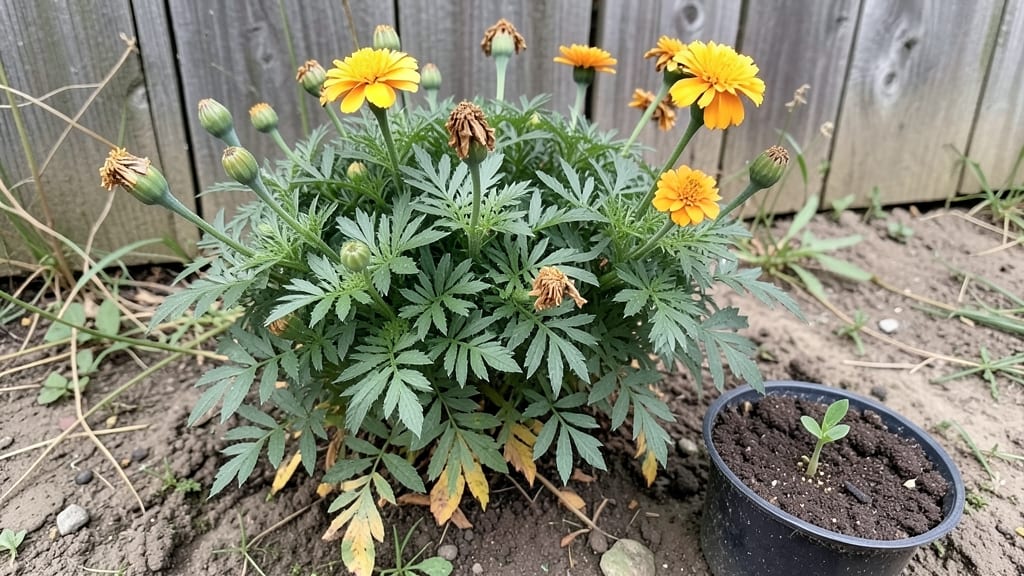
Marigolds bloom in 6-8 weeks and reward you with bright flowers. Deadhead (snip off spent blooms) to keep them flowering all season. If pests appear, spray plants with soapy water (1 tsp mild dish soap per gallon of water) or handpick bugs early in the morning when they’re sluggish.
🌿 Step 5: Extend the Season with Simple Tricks
Protect tender plants from late frosts with row covers or a cloche (a clear plastic dome). For fall harvests, plant lettuce and radishes 8 weeks before your first frost. Snap peas and marigolds often survive light frosts—just add a thin blanket on chilly nights if temps dip below 30°F.
Rotate crops next year by moving plants to a new spot. This prevents soil-borne diseases and keeps nutrients balanced. Even if you fail, these plants forgive mistakes—so enjoy the process!
Tips & tricks for perfect beginner garden plants
Real talk: the secret to growing these plants successfully isn't magic—it's paying attention to a few key details. Here's what nobody tells you about making your beginner garden thrive.
Soil Prep is Everything: In Step 1, don't just scratch the top 6 inches—really work that soil until it crumbles easily between your fingers. For heavy clay soil, that 2 inches of compost makes all the difference by improving drainage and root spread. I learned this the hard way after watching radishes struggle in compacted soil.
Timing is Critical for Cool-Season Plants: Those radishes and marigolds in Step 2 can handle cooler weather, but don't rush planting them too early. Soil needs to be workable—not frozen or waterlogged. I've planted radishes in cold, wet soil and watched them rot before sprouting. The "as soon as soil is workable" rule saves you from this frustration.
Watering Wisdom: The once-a-week deep watering in Step 3 is non-negotiable, but here's the trick: water in the morning. This gives plants all day to dry out, preventing fungal diseases. And when checking soil moisture with your finger, remember—1 inch deep is where roots are actually growing, not just the surface.
Harvesting Hacks: For snap peas in Step 4, I've found that picking every other day keeps production going longer. And with lettuce, harvest those outer leaves first—the plant keeps growing from the center, giving you a continuous supply. Don't wait until the whole head is ready before harvesting!
Pro Tips for Beginner Garden Plants
- Real talk: the secret to growing these plants successfully isn't magic—it's paying attention to a few key details.
- Soil Prep is Everything: In Step 1, don't just scratch the top 6 inches—really work that soil until it crumbles easily between your fingers.
- Timing is Critical for Cool-Season Plants: Those radishes and marigolds in Step 2 can handle cooler weather, but don't rush planting them too early.
Frequently asked questions
Got questions about starting your beginner garden?
You’re not alone! Here are answers to the most common queries to help you grow with confidence—and minimal stress.
What are the easiest plants for a first-time gardener?
Start with hardy, low-maintenance plants like lettuce, basil, sunflowers, or marigolds. These thrive in partial sun, need minimal watering, and forgive beginner mistakes like inconsistent care. Herbs like mint or parsley are also great for small spaces!
When is the best time to plant beginner-friendly garden plants?
Timing depends on your climate! For most regions, spring (after the last frost) is ideal for cool-season crops (like lettuce or peas), while late spring or early summer works for warm-season plants (like tomatoes or basil). Check your local frost dates—extension offices are a great resource!
How often should I water beginner garden plants?
Water deeply 1-2 times per week, aiming for about 1 inch of water. Let soil dry slightly between waterings—overwatering is a common rookie mistake! Mulch helps retain moisture and reduces weeds. Pro tip: Water in the morning to prevent fungal issues.
What do I do if bugs or pests show up in my beginner garden?
Don’t panic! Start with physical removal (like handpicking pests) or neem oil for mild infestations. Companion planting (e.g., marigolds with tomatoes) deters pests naturally. Avoid harsh chemicals—many beginner plants are sensitive to them.
Can I grow beginner plants in containers instead of a garden bed?
Many plants—like herbs, strawberries, or dwarf tomatoes—thrive in containers. Just ensure pots have drainage holes and use lightweight potting mix. Containers warm up faster, so monitor watering closely in hot weather.
Wrapping up and next steps
Starting your gardening journey with low-maintenance plants is a fantastic way to build confidence and enjoy the rewards of a thriving garden—without the stress! 🌱 Whether you’re drawn to hardy herbs, resilient veggies, or cheerful flowers, these picks prove that even beginners can create a lush, productive space.
Remember, the key is to start small, stay consistent, and embrace the learning process.
Now that you’re armed with the right plants and tips, your next step? Grab your gardening gloves and dig in! Plant a few of these favorites, observe what grows best in your space, and let your green thumb grow. Happy gardening—your future harvest (and happy plants!) are waiting. 🌿✨