Shrubs
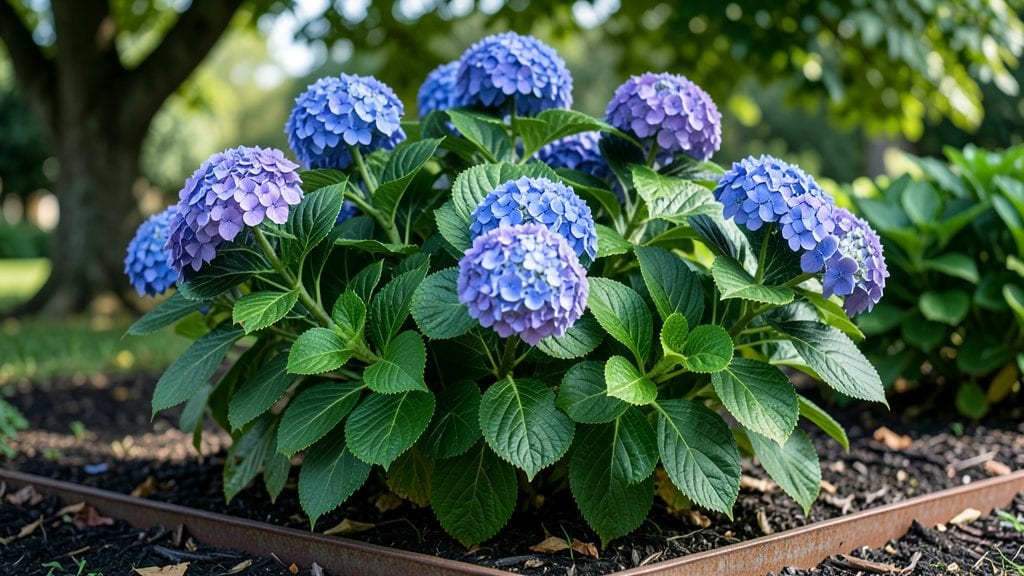
Finding the best garden shrubs that stay stunning all year while barely asking for water changed my yard forever. These drought-resistant powerhouses bring year-round color, from deep winter berries to summer blooms, without the fuss of constant pruning or thirsty roots.
I’ve tested them through dry spells and heatwaves—some even thrive in partial shade—so you don’t have to guess what’ll survive where you live.
My top picks include boxwood for crisp hedges, dwarf lilac for fragrant bursts of purple, and holly for glossy leaves and red berries that birds adore. They’re not just pretty—they’re tough, too, handling neglect better than most annuals.
Whether you need a privacy screen, a fragrant border, or a low-maintenance focal point, these shrubs deliver elegance without the drama.
Imagine a yard where winter isn’t bare—where deep greens, berries, and even occasional blooms keep things lively even when the rest of the garden sleeps. These shrubs turn that vision into reality, with minimal watering and almost no upkeep.
The best part? They grow slowly enough to stay manageable but fast enough to fill in gaps within a few seasons.
Perfect for busy gardeners, water-conscious landscapes, or anyone tired of replacing dead plants every summer. Here’s how to choose the right ones for your space—and why they’ll outlast every trendy annual you’ve ever planted.
📚 In This Guide
- What you need
- Instructions
- Tips and common mistakes
- Wrapping up and next steps
What you need
- ● Shrubs: Choose from our top picks (e.g., Lavender, Butterfly Bush, Boxwood, or Dwarf Lilac)—buy 3-5 mature plants (3-5 gal. containers) for a balanced look. Pro tip: 🌡️ Check hardiness zones to match your climate!
- ● High-quality potting soil: 50 lbs. (or a mix of native soil + compost for in-ground planting).
- ● Mulch: 10-20 lbs. (pine bark or shredded leaves for moisture retention).
- ● Organic fertilizer: 10-10-10 or slow-release granular (follow label rates).
- ● Watering can or hose with nozzle: 5-gal. capacity (or a drip irrigation kit for efficiency).
- ● Pruning shears: Bypass-style (sharp, 5-7" blade for clean cuts).
- ● Garden gloves: Durable, breathable (nitrile-coated for protection).
- ● Measuring tape: 25 ft. (for spacing plants 3-6 ft. apart, depending on variety).
- ● Soil test kit: Ensures pH balance (ideal: 6.0-7.0 for most shrubs).
- ● Drought-resistant ground cover: (e.g., Creeping Thyme or Sedum) to suppress weeds.
- ● Plant supports: Stakes or cages for tall varieties like Hollyhocks.
- ● Decorative stones: Pea gravel or flagstone for pathways or borders.
- ● Slow-release watering globes: 💡 Keeps roots hydrated for up to 6 weeks!
Instructions for planting the best year-round drought-resistant shrubs
Here’s how to create a stunning, low-maintenance shrub garden that thrives with minimal water.
Choose the Perfect Planting Location
Select a spot that gets at least 6 hours of sunlight daily—most drought-resistant shrubs like full sun for vibrant blooms and strong growth. Avoid low-lying areas where water pools, as even hardy shrubs dislike soggy roots. I always check the soil first by digging a 6-inch hole—if it feels compacted or clay-heavy, mix in 3 inches of compost to improve drainage.
For year-round color, group shrubs by height and bloom season. Place taller varieties like lavender or rosemary at the back, medium-height shrubs like dwarf boxwood in the middle, and low-growing creeping thyme or sedum at the front. This creates depth and keeps everything visible.
Prepare the Soil for Healthy Roots
Loosen the soil in a 2-foot-wide circle around each planting spot to encourage root spread. If your soil is sandy, add 2 inches of organic matter like compost or well-rotted manure to help retain moisture. For clay soil, mix in 1 part perlite to improve aeration—this is key for drought-resistant shrubs, as they need roots that can breathe.
Dig a hole twice as wide as the root ball but only as deep as the container. If the shrub comes in a pot, gently squeeze the sides to encourage roots to spread outward. Place the shrub in the hole so the top of the root ball sits level with the surrounding soil—burying too deep can suffocate the plant.
Plant and Water for Immediate Stability
Backfill the hole with soil, pressing lightly around the roots to remove air pockets. Water deeply right after planting to settle the soil and eliminate gaps. Use 1 gallon of water per shrub—enough to soak the root zone completely. Mulch with 2 inches of wood chips or shredded bark, keeping it 3 inches away from the stem to prevent rot.
This mulch layer locks in moisture and regulates soil temperature, which is especially helpful in hot, dry climates. I always water again after 3-4 days to encourage roots to grow outward into the surrounding soil. Avoid overhead watering after planting—it can dislodge the shrub or spread disease.
Maintain for Long-Term Drought Resistance
Once established, most drought-resistant shrubs only need 1 inch of water per week, but check the soil first—if the top 2 inches feel dry, give them a deep soak. Prune in late winter or early spring to shape the shrub and remove dead or crossing branches. I trim just above a leaf node or bud to encourage new growth.
Fertilize lightly in early spring with a balanced, slow-release fertilizer—too much nitrogen can make shrubs grow too fast and use up stored moisture. Watch for pests like spider mites or aphids, especially on new growth. A strong spray of water usually knocks them off, but severe infestations may need neem oil.
Enjoy Year-Round Beauty With Minimal Effort
Step back and admire your work! With the right shrubs, you’ll have colorful blooms in spring, lush foliage in summer, vibrant hues in fall, and even winter interest from evergreens or berries. Grouping drought-resistant varieties together means less watering, fewer pests, and a garden that thrives with almost no fuss.
Here’s the thing—once these shrubs are established, they’ll outperform most others in your neighborhood. The secret is preparing the soil right, watering deeply but infrequently, and pruning strategically. Before you know it, your garden will be the envy of the block!
Tips & tricks for perfect year-round drought-resistant shrubs
Creating a thriving, low-maintenance shrub garden starts with these game-changing tips that will set your plants up for success from day one.
Sunlight Strategy: The 6 hours of sunlight mentioned in Step 1 is non-negotiable for most drought-resistant shrubs, but here's the secret: morning sun is actually more beneficial than harsh afternoon rays. If you're planting in a hot climate, consider placing taller varieties like lavender on the west side of your garden to protect them from intense afternoon heat while still getting plenty of light. This simple adjustment can make a huge difference in plant health and bloom production.
Soil Preparation Secret: When you're loosening that 2-foot-wide circle around each planting spot in Step 2, don't stop at just breaking up the soil. Use your hands to create small air pockets throughout—this mimics natural soil structure and helps roots establish faster. For clay-heavy soils, mix in perlite not just in the hole but also in the surrounding soil circle. This creates better drainage throughout the root zone, not just where the plant sits.
Watering Wisdom: The 1 gallon per shrub after planting might seem like a lot, but trust me—this is critical for immediate stability. What I've learned is to water in three separate stages: first when you plant, then again after those 3-4 days, and finally one more time after about 10 days. This gradual approach encourages roots to grow outward rather than staying concentrated in the planting hole. Think of it as giving your shrubs a confidence boost to explore their new home.
Pruning Precision: When you're ready to prune in late winter or early spring as mentioned in Step 4, use sharp, clean pruners and make cuts at a 45-degree angle just above a leaf node or bud. This isn't just about shaping—it's about encouraging new growth from specific points. I've found that pruning at this angle helps water run off the cut and prevents rot. Also, never remove more than one-third of the plant's foliage in a single pruning session, as this can stress even the hardiest shrubs.
Pro Tips for Best Garden Shrubs
- Creating a thriving, low-maintenance shrub garden starts with these game-changing tips that will set your plants up for success from day one.
- Sunlight Strategy: The 6 hours of sunlight mentioned in Step 1 is non-negotiable for most drought-resistant shrubs, but here's the secret: morning sun is actually more beneficial than harsh afternoon rays.
- Soil Preparation Secret: When you're loosening that 2-foot-wide circle around each planting spot in Step 2, don't stop at just breaking up the soil.
Frequently asked questions
Got questions about choosing, planting, or maintaining the best garden shrubs? You're not alone! Here are answers to the most common queries to help you create a thriving, low-maintenance landscape.
What are the easiest drought-resistant shrubs for beginners?
Start with Lavender, Russian Sage, or Dwarf Butterfly Bush—they’re hardy, low-water, and forgiving. Lavender thrives in poor soil and deters pests, while Russian Sage blooms all summer with minimal care. Pro tip: Plant them in full sun for best drought tolerance!
When is the best time to plant shrubs for year-round color?
For most climates, early spring or fall (4–6 weeks before frost) is ideal. This gives roots time to establish before extreme heat or cold. Evergreens like Boxwood or Holly can handle cooler temps, so fall planting works well. Avoid summer heat stress!
How do I keep shrubs from drying out in extreme heat?
Mulch heavily (2–3 inches) to retain moisture, and water deeply but infrequently—aim for 1–1.5 inches per week. Group plants with similar needs (e.g., Dwarf Crape Myrtle + Abelia) to reduce evaporation. Morning watering cuts down on fungal risks.
What’s the fastest way to fix pests or diseases in my shrubs?
Start with neem oil or insecticidal soap for soft-bodied pests like aphids. For fungal issues (e.g., powdery mildew), prune affected areas immediately and improve airflow. Prevention: Avoid overhead watering and choose disease-resistant varieties like Dwarf Fothergilla.
Can I use shrubs to create privacy without blocking sunlight?
Try Arborvitae (narrow, evergreen) or Oakleaf Hydrangea (semi-transparent foliage). For faster growth, plant Bamboo (clumping types) or Privet in a staggered row. Spacing tip: Leave 3–5 feet between plants for airflow and light to filter through.
Wrapping up and next steps
Transforming your garden into a vibrant, low-maintenance haven is easier than you think! The best garden shrubs—like drought-resistant hydrangeas, fragrant lavender, and bold boxwoods—bring year-round beauty with minimal effort. Whether you're a seasoned gardener or just starting, these plants offer color, resilience, and elegance that elevate any outdoor space.
🌿 Ready to take the next step? Start small—pick one or two shrubs that suit your climate and style, then expand your collection as you gain confidence. Happy planting, and enjoy the blooms, fragrances, and serene beauty your garden will soon provide! 🌸