
Fertilization
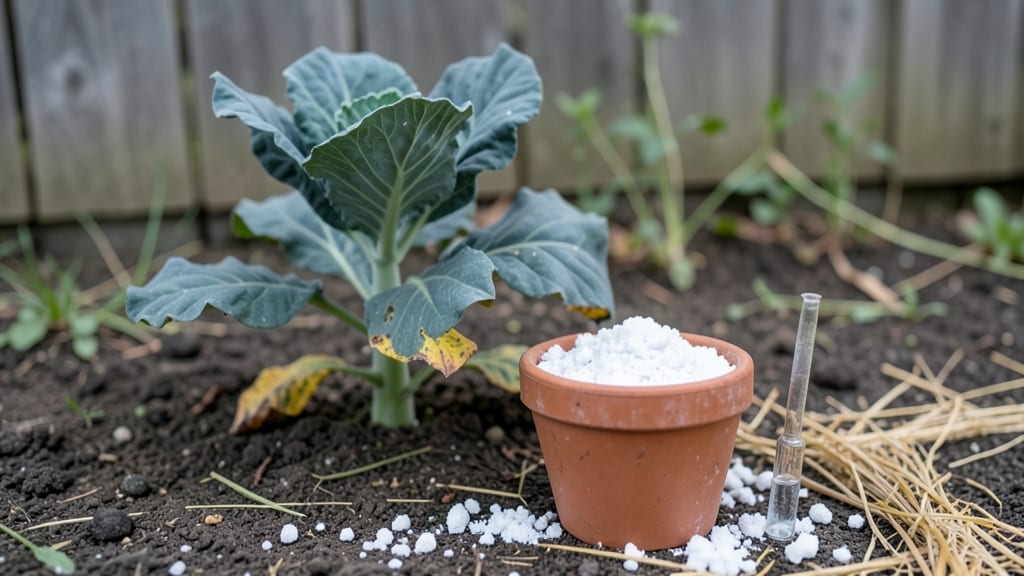
Using calcium carbonate in gardening raises soil pH, neutralizes acidity, and provides essential calcium to prevent blossom-end rot in tomatoes and other deficiencies while improving nutrient availability for plants.
Calcium carbonate works by reacting with acidic compounds like aluminum and manganese in the soil, transforming them into neutral salts that won't harm plant roots. 🌱 This process not only balances pH but also releases calcium—a critical nutrient for cell wall strength in plants.
Many gardeners swear by it for acid-loving plants like blueberries, where proper pH is key to unlocking nutrient absorption. The best part? It takes effect gradually, so you won't see sudden pH swings that can stress plants.
For practical application, I recommend testing your soil's pH first—aim for a reading between 6.0 and 7.0 for most vegetables. Use 10-20 pounds per 100 square feet for moderate adjustments, and reapply every 2-3 years to maintain balance.
Pelletized forms are easier to spread than powder, and mixing it with compost helps distribute it evenly without clumping.
💡 In This Article
- How Calcium Carbonate Adjusts Soil Chemistry
- Best Practices for Applying Limestone in Gardens
How calcium carbonate adjusts soil chemistry
When you add calcium carbonate (limestone) to acidic soil, it triggers a chemical reaction that neutralizes excess hydrogen ions (H+). The process begins when calcium carbonate (CaCO₃) dissolves slightly in water, forming calcium bicarbonate (Ca(HCO₃)₂) and releasing hydroxide ions (OH⁻).
These OH⁻ ions then react with the free H+ ions in acidic soil, forming water (H₂O) and effectively raising the pH. This reaction is gradual but powerful—just 1 pound of calcium carbonate can raise the pH of about 100 square feet of soil by 0.5-1.0 points over time.
The real magic happens at the molecular level. In acidic conditions, toxic aluminum (Al³⁺) and manganese (Mn²⁺) ions become soluble and available to plant roots, often causing stunted growth or yellowing leaves.
Calcium carbonate binds with these metals, converting them into insoluble forms like aluminum hydroxide (Al(OH)₃) that plants can't absorb. This transformation not only reduces toxicity but also frees up phosphorus and other nutrients that were previously locked away in acidic soils. 🌱 The result?
Plants can finally access the nutrients they need to thrive.
This buffering effect is what makes calcium carbonate so reliable. Unlike quick-fix amendments that raise pH temporarily, limestone creates a stable environment by slowly dissolving and releasing calcium and carbonate ions. Over 3-6 months, these ions continuously neutralize acidity, preventing sudden pH swings that could shock plant roots.
For example, blueberry bushes—which prefer a pH of 4.5-5.5—can gradually move toward that ideal range without stress when limestone is applied correctly.
Beyond pH adjustment, calcium carbonate improves soil structure by enhancing the formation of stable soil aggregates. The calcium ions help bind clay particles and organic matter, creating larger crumbs that improve aeration and drainage.
This structural improvement is especially valuable in heavy clay soils, where poor drainage often leads to root rot. The granular texture of pelletized limestone also makes it easier to distribute evenly, reducing the risk of clumping that can occur with powdered forms.
What most gardeners don't realize is how calcium carbonate affects micronutrient availability. In acidic soils, essential elements like iron, zinc, and copper become less available to plants, even if they're present in the soil.
By raising the pH to a more neutral range (6.0-7.0), calcium carbonate helps maintain a balance where these nutrients remain soluble and accessible.
For instance, tomatoes grown in soil with a pH above 6.5 show fewer signs of blossom-end rot—a classic calcium deficiency—because the plant can absorb calcium more efficiently.
For long-term benefits, think of calcium carbonate as a slow-release pH regulator. Unlike synthetic amendments that provide immediate but short-lived results, limestone's effects persist for years, especially in well-drained soils. This makes it a cost-effective solution for gardeners who want to avoid frequent soil testing and reapplication.
Just remember: patience is key. The full benefits typically take several months to manifest as the limestone gradually dissolves and integrates into the soil ecosystem. ✨