
Advice
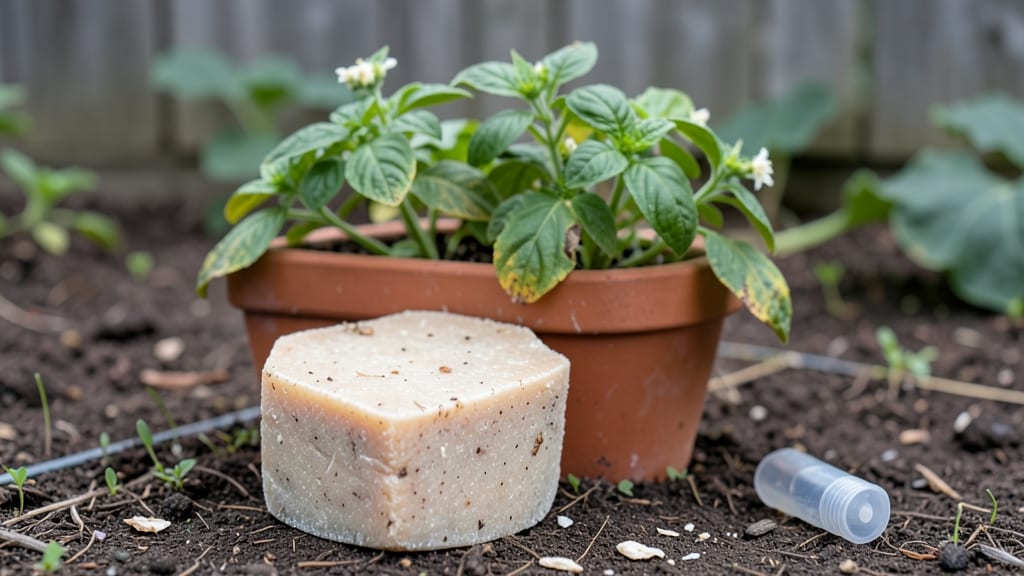
Castile soap for garden serves as a gentle yet effective natural insecticide and plant cleaner when mixed at the right strength. It targets soft-bodied pests like aphids and spider mites while safely dissolving dirt and oils from leaves without damaging soil or beneficial insects.
This plant-based cleaner works by breaking down pests' protective wax layers, suffocating them through surface tension. 🌿 Unlike harsh chemicals, it won't harm your garden's ecosystem when used properly—just avoid spraying on hot days or when bees are active.
For best results, I recommend testing on a small leaf area first, as some plants may react differently to the soap's mild alkalinity.
When used as a pesticide, mix 1–2 tablespoons of liquid Castile soap per gallon of water in a spray bottle. For cleaning foliage, a 1 tablespoon per quart solution works well, while adding a few drops of tea tree oil creates a natural antifungal boost.
Always apply in the early morning or evening to minimize sun exposure, which can burn soap-treated leaves.
💡 In This Article
- How Castile Soap Kills Garden Pests Safely
- Best Diluted Castile Soap Recipes for Gardens
How Castile soap kills garden pests safely
Castile soap's pest-killing power comes from its unique molecular structure. When diluted, the soap's fatty acid salts (like sodium oleate) create tiny droplets that cling to pests' waxy outer layers. These droplets disrupt the pests' protective cuticle, which is essential for preventing water loss and protecting against pathogens.
Soft-bodied insects like aphids and whiteflies have delicate, permeable skins—just 0.001 inches thick—that the soap molecules easily penetrate, causing dehydration and suffocation within 12-24 hours. 🔥
The effectiveness varies dramatically between pest types. Soft-bodied insects are highly vulnerable because their exoskeletons lack the chitinous armor of beetles or scale insects.
For example, a 1.5% soap solution (about 1.5 tablespoons per gallon) can kill 90% of aphids within 24 hours, while armored pests like beetles may only show 30-40% mortality due to their thicker exoskeletons.
The key is surface contact—soap doesn't enter the pest's body but works by breaking down their protective barriers.
pH balance is critical for plant safety. Pure Castile soap has a pH of around 8.5-9.5, which is slightly alkaline and can damage sensitive plants if too concentrated. Most garden plants thrive in 6.0-7.5 pH soil, so diluting to pH 7.0-7.5 (using distilled water) prevents leaf burn.
The soap's alkalinity also helps dissolve organic grime on leaves, but this same property can strip natural waxes from plant surfaces if overused—hence the 1-2 tablespoon per gallon guideline for sprays. 🌱
Temperature and humidity play hidden roles in effectiveness. Soap sprays work best in 60-80°F conditions with 50-70% humidity—ideal for early morning or late evening applications. In hot, dry weather, the solution evaporates too quickly, reducing contact time.
Conversely, high humidity can dilute the spray's potency. For armored pests like scale insects, adding 1 teaspoon of horticultural oil per gallon creates a smothering effect that complements the soap's action.
What most gardeners overlook is the soap's residual effect. While it doesn't provide long-term protection like synthetic pesticides, properly diluted Castile soap can leave a 3-5 day protective film on leaves that deters new pest infestations.
This works particularly well against fungal spores and soft-bodied larvae. The solution's mild surfactant properties also help water penetrate plant surfaces better, improving nutrient absorption when used as a foliar wash. 🌿
For maximum safety, always use unscented, liquid Castile soap (fragrances can harm plants) and test on a small leaf area first. The soap's biodegradability means it breaks down completely within 7-14 days, leaving no harmful residues—unlike petroleum-based pesticides that can linger in soil for months.
This makes it particularly valuable for organic gardens where maintaining ecosystem balance is crucial.