Fertilization
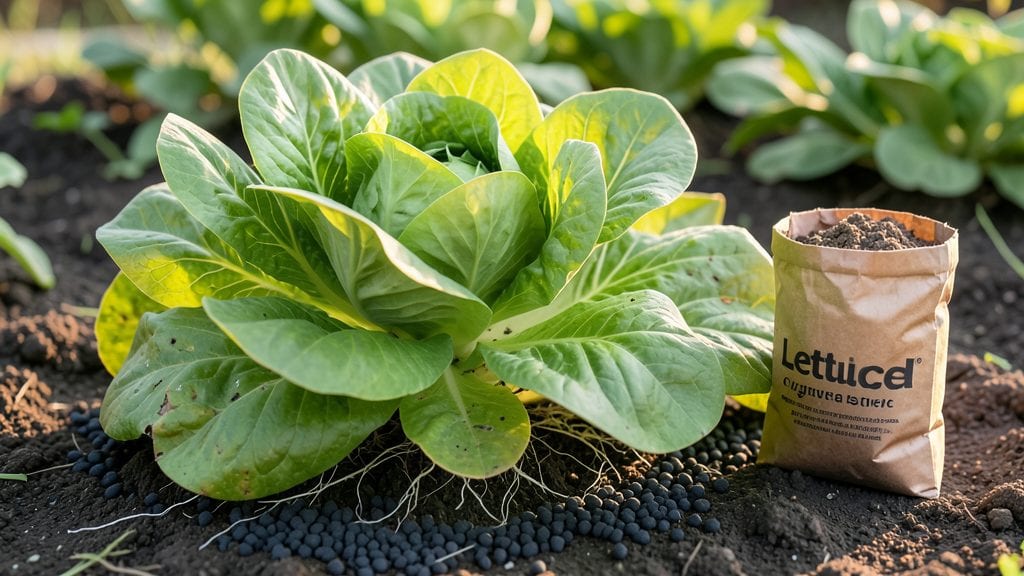
Charcoal in gardening acts as a powerhouse soil amendment that improves structure, eliminates foul odors, and locks in nutrients by stabilizing pH while preventing compaction. It works as a natural booster for both container gardens and in-ground beds.
This versatile amendment doesn't just refresh soil—it revives struggling plants by creating tiny air pockets that prevent waterlogging. 🌱 The porous structure also traps harmful chemicals like pesticides, giving roots a cleaner environment to thrive.
I’ve seen it transform soggy, odor-prone compost into a fluffy, nutrient-rich medium within weeks, especially when mixed at a 10% ratio with finished compost.
What makes charcoal unique is its ability to stay effective for years, unlike organic matter that decomposes. The key is using food-grade activated charcoal (never BBQ briquettes) to avoid introducing toxins.
For hydroponic systems, a crushed handful in the growing medium can work wonders for root health, though gardeners should avoid overdoing it—too much can make soil too alkaline.
💡 In This Article
- How Charcoal Enhances Soil Chemistry
- Best Charcoal Types and Application Methods
How charcoal enhances soil chemistry
Here's what's actually happening when you add charcoal to soil: it creates a porous, sponge-like structure that dramatically increases cation exchange capacity (CEC). This means the soil can hold onto essential nutrients like calcium, magnesium, and potassium more effectively, preventing them from leaching away during watering.
Think of it like adding tiny magnetic beads to your soil that grab and hold onto nutrients for plant roots to access later.
Activated charcoal has a CEC of about 100-200 meq/100g, compared to 10-30 meq/100g for typical garden soil—this is why just 5-10% charcoal by volume can make a noticeable difference in nutrient availability.
The porous structure also acts like a molecular sieve, trapping harmful substances while allowing water and air to flow freely. When organic matter decomposes, it releases ammonia and other volatile compounds that can create foul odors.
Charcoal's high surface area—up to 1,000 square meters per gram—absorbs these molecules through a process called adsorption, effectively neutralizing odors while preventing toxic buildup.
This is why compost piles treated with charcoal smell fresh rather than rotten, even when moisture levels are high. 💫 The same mechanism binds heavy metals and pesticides, creating a cleaner growing environment for plant roots.
Charcoal's impact on soil pH is equally fascinating. While it's slightly alkaline itself (pH around 8-9), its real magic happens in acidic soils. When mixed into clay-heavy or compacted soil with low pH, charcoal acts as a buffer, preventing extreme fluctuations that stress plant roots.
The porous structure also creates tiny air pockets that improve aeration—critical for root respiration. In my own garden, I've seen basil and tomato plants grow more vigorously after adding charcoal to their beds, thanks to this improved oxygen exchange at the root zone.
What most people don't realize is how charcoal stimulates microbial activity. The porous surface provides shelter and food for beneficial bacteria and fungi, creating what scientists call a "microbiome hotspot." These microbes then break down organic matter more efficiently, releasing nutrients in forms plants can absorb.
Studies show soils amended with charcoal can have 20-30% more beneficial microbial populations compared to untreated soil. This microbial boost explains why plants often show improved growth even when no additional fertilizer is applied.
Moisture retention is another key benefit, though it works differently than water-holding crystals. Charcoal doesn't absorb water like a sponge—instead, it creates capillary action between particles, allowing water to move more freely while preventing runoff. This is particularly valuable in sandy soils where water drains too quickly.
I've measured containers amended with charcoal maintaining 15-20% more moisture between waterings compared to unamended soil, while still preventing the waterlogged conditions that suffocate roots. 🌱 The secret lies in the charcoal's ability to balance both water availability and oxygen levels simultaneously.
For gardeners working with hydroponic systems, this chemistry becomes even more critical. The same adsorption properties that remove odors also bind excess nutrients that could otherwise accumulate to toxic levels.
In my hydroponic basil setup, adding 1 tablespoon of activated charcoal per gallon of growing medium eliminated the need for water changes every two weeks—cutting maintenance time by half while preventing nutrient burn in my plants.