
How To
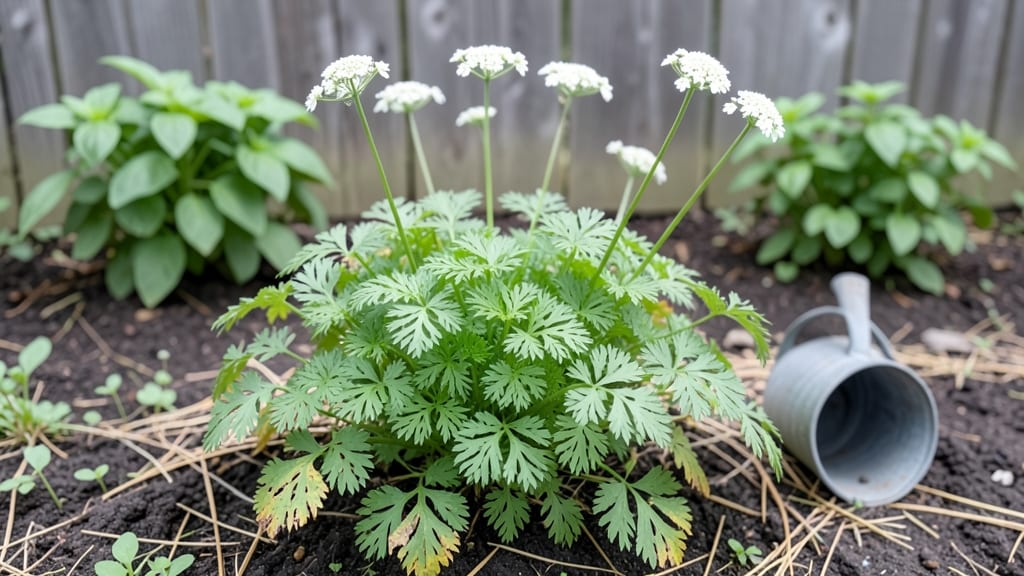
Here are my cilantro gardening tips—growing it from seed to snip is easier than you think, no more store-bought pots that wilt within days. ✨ I’ve learned the exact tricks to keep cilantro lush and productive, even when others bolt by midsummer.
The secret starts with cool soil and consistent moisture, not fancy equipment.
Most people give up because cilantro bolts too fast, but the right balance of shade, water, and timing keeps it fresh for months. You’ll need a sunny spot with afternoon shade, well-draining soil, and a watering routine that stays consistent—no dry spells, no soggy roots.
Once you master this, you’ll harvest enough for tacos, soups, and garnishes all season long.
📚 In This Guide
- What you need
- Instructions
- Tips and common mistakes
- Wrapping up and next steps
What you need
- ● Cilantro seeds: 1–2 teaspoons (about 100–200 seeds) for a small container or 1–2 tablespoons for a larger garden bed.
- ● Containers or garden bed: Containers: 6–12-inch deep pots (with drainage holes) or a raised bed (minimum 12 inches deep).
- ● Garden bed: Well-draining soil in a sunny spot (6+ hours of light daily).
- ● Potting mix: High-quality, well-draining soil (avoid garden soil—it’s too dense). Look for a mix labeled "seed starting" or "herb/potting blend."
- ● Watering can or spray bottle: For gentle, even moisture (avoid soaking the soil).
- ○ Fertilizer (optional but helpful): Balanced liquid fertilizer (e.g., 10-10-10) or organic options like compost tea or fish emulsion.
- ● Slow-release granular fertilizer (follow package instructions).
- ● Hand trowel: For planting and soil adjustments.
- ● Pruning shears: To harvest leaves cleanly and encourage bushier growth.
- ○ Shade cloth (optional): 30–50% shade fabric to protect seedlings from intense afternoon sun in hot climates.
- ● Plant labels: To track varieties if growing multiple types.
- ○ Mulch (optional): Straw or shredded leaves to retain moisture and suppress weeds.
- ● Sunlight: A spot with 6+ hours of direct sunlight daily (partial shade works in hot climates).
- ● Temperature: Ideal range: 50–75°F (10–24°C).
- ● Avoid planting when nighttime temps exceed 75°F (24°C)—cilantro bolts quickly!
- ● Water: Consistent moisture (keep soil evenly damp but not soggy).
- ● Patience: Cilantro germinates slowly (7–14 days)—don’t give up!
How to grow cilantro that stays fresh and flavorful
Here's how to keep your cilantro lush and productive without the frustrating bolt-and-run cycle.
🌱 Step 1: Choose the Right Spot and Soil
Cilantro thrives in cool temperatures between 50-75°F—it bolts (goes to seed) when days get long and hot. Pick a location with partial shade in hot afternoons or dappled sunlight. If you're growing in containers, place them where they get morning sun but afternoon shade.
Use well-draining soil—cilantro hates soggy roots. Amend your garden bed with 1-2 inches of compost before planting to enrich the soil. I always mix in a handful of sand or perlite if my soil is heavy clay, because cilantro roots need air to breathe.
💧 Step 2: Plant Seeds Correctly for Strong Starts
Sow seeds ¼ inch deep and 1 inch apart in rows spaced 12 inches apart. Cilantro seeds germinate slowly—don’t be surprised if nothing appears for 2-3 weeks. Keep the soil consistently moist (not soggy) during this time by watering every 2-3 days until you see sprouts.
Here's the thing—cilantro seedlings often emerge unevenly. Once they reach 2 inches tall6 inches apart for better airflow. This prevents disease and gives roots room to spread. If you're growing in containers, plant 3-4 seeds per 6-inch pot and thin to the strongest seedling.
☀️ Step 3: Manage Light and Water to Prevent Bolting
Cilantro bolts when days get too long or temperatures climb above 80°F. To delay bolting, provide afternoon shade with a 30% shade cloth during peak summer heat. If you're growing in containers, move them to a shadier spot when temperatures rise.
Water consistently—cilantro roots are shallow and dry out fast. Keep the soil evenly moist (not waterlogged) by watering every 1-2 days in hot weather. Let the top inch of soil dry between waterings to prevent root rot. You'll know it's time to water when the leaves start to wilt slightly.
✂️ Step 4: Harvest Regularly for Continuous Growth
Harvest outer leaves when plants reach 6-8 inches tall to encourage bushier growth. Use clean scissors to snip leaves just above a leaf node—this prevents damage to the main stem. I like to harvest in the morning when oils are most concentrated for flavor.
Never harvest more than ⅓ of the plant at once, or you'll shock the cilantro into bolting. If you see flower stalks forming, cut them off immediately—they sap energy from leaf production. With regular harvesting, you'll get 3-4 weeks of fresh cilantro before bolting becomes inevitable.
🌿 Step 5: Extend the Season with Successive Plantings
Cilantro grows best in cool weather, so plan for two planting cycles: early spring and late summer. For spring, sow seeds 4-6 weeks before your last frost date. For fall, plant seeds 8-10 weeks before your first frost to ensure a harvest before winter.
If you live in a warm climate, try growing cilantro in partial shade year-round and harvest aggressively to delay bolting. I've had success with shade cloth and frequent harvesting in zones with mild winters—just be ready to replant every 3-4 weeks for a continuous supply.
Tips & tricks for perfect cilantro growth
A few simple strategies can transform your cilantro from a bolting disappointment into a thriving herb garden. Here's what I've learned from years of trial and error.
Temperature Matters: The 50-75°F range is cilantro's sweet spot—any hotter and you're asking for bolting. If your summer temps climb above 80°F, provide afternoon shade with a 30% shade cloth. I've seen cilantro last twice as long in containers moved to shaded spots during heatwaves. For indoor growers, place plants near east-facing windows where they get gentle morning light.
Soil Secrets: Cilantro roots need air as much as water. Before planting, mix 1-2 inches of compost with your soil to improve drainage. If your garden has heavy clay, add perlite or coarse sand—this prevents those dreaded soggy roots that lead to rot. I always test my soil's moisture by sticking my finger in: if it feels dry an inch down, it's time to water.
Harvesting Strategy: The ⅓ rule is non-negotiable—never take more than one-third of the plant at once. I harvest in the morning when the essential oils are most concentrated for flavor. When you see flower stalks forming, snip them immediately—they're energy vampires that drain your plant's resources. This aggressive harvesting can extend your harvest window by 2-3 weeks in ideal conditions.
Container Hacks: For patio growers, use 6-inch pots with drainage holes and plant 3-4 seeds per container. Thin to the strongest seedling to avoid competition. Place containers where they get morning sun but afternoon shade—this mimics cilantro's natural preference for cooler conditions. I've grown cilantro successfully on balconies year-round using shade cloth during summer months.
Pro Tips for Cilantro Gardening Tips
- A few simple strategies can transform your cilantro from a bolting disappointment into a thriving herb garden.
- Temperature Matters: The 50-75°F range is cilantro's sweet spot—any hotter and you're asking for bolting.
- Soil Secrets: Cilantro roots need air as much as water.
Frequently asked questions
Got questions about growing cilantro like a pro?
You’re not alone! Here are the most common concerns—plus quick fixes to keep your herb garden thriving.
Why does my cilantro bolt so fast?
Cilantro bolts (goes to seed) due to heat or long daylight hours. To slow it down, plant in cool spring or fall weather (50–75°F ideal). Try slow-bolt varieties like ‘Calypso’ or ‘Santo,’ or harvest leaves aggressively to redirect energy. If it bolts anyway, save the seeds for next year!
How long does cilantro take to grow?
From seed to harvest, cilantro typically takes 4–6 weeks for leaves (cut-and-come-again style) or 6–8 weeks for full maturity. For a steady supply, sow seeds every 2–3 weeks—this ensures fresh leaves before bolts take over.
Can I grow cilantro indoors?
Use a sunny windowsill (6+ hours of light) or a grow light. A 6-inch pot with well-draining soil works well. Keep soil moist (not soggy) and rotate the pot weekly for even growth. Just watch for bolting—indoors can still trigger it if temps rise above 75°F.
What pests should I watch for?
Cilantro attracts aphids, spider mites, and flea beetles. For mild infestations, blast pests off with water or use neem oil. Prevent flea beetles by covering young plants with row fabric until established. Healthy plants (rich soil, consistent water) resist pests better!
What if I hate cilantro’s soapy taste?
Some people experience a genetic cilantro aversion (thanks, OR6A2 gene!). If you dislike it, try coriander seeds (the dried fruit of cilantro) instead—they’re nutty and flavorful. Or swap cilantro for parsley, dill, or basil in recipes. No judgment here!
Wrapping up and next steps
Growing cilantro at home is simpler than you think—just give it the right love, patience, and a little shade when needed! 🌿 With the right soil, consistent moisture, and a few tricks to prevent bolting, you’ll enjoy a bountiful harvest of fresh, vibrant leaves.
Whether you’re a seasoned gardener or a curious beginner, your kitchen (and tacos!) will thank you for it.
Ready to dive in? Start small—plant a few seeds in a pot or patch of your garden today, and soon you’ll be reaping the rewards of your green thumb. Happy growing! 🌱