
Pests
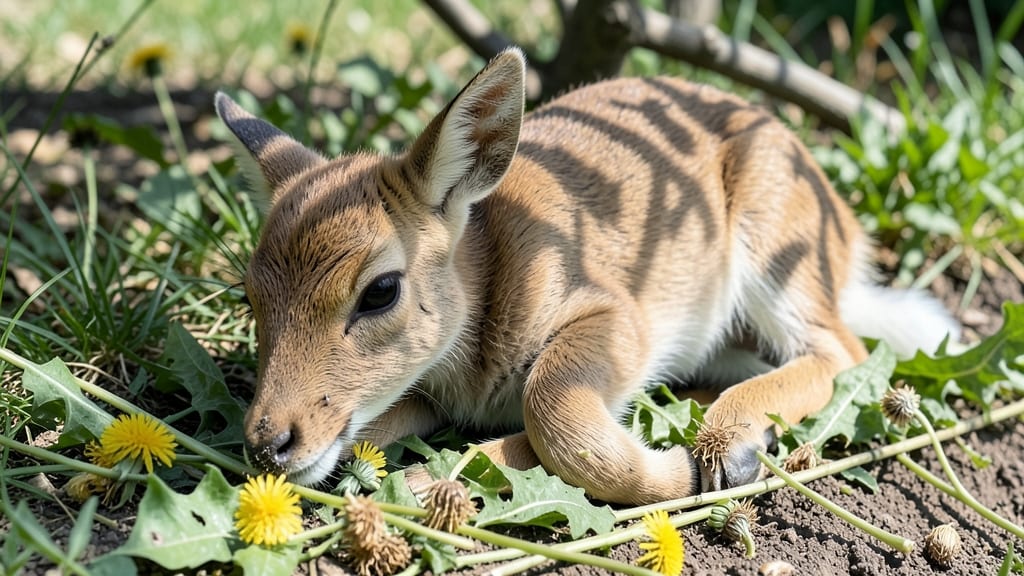
My garden became a deer buffet until I learned these natural barriers that actually work—no harm, no chemicals, just smart prevention. 🌿 The first time I woke up to half my hostas vanished, I knew I needed a better plan than yelling at the neighborhood whitetails.
These methods don’t just scare them off; they make your garden less appealing than the woods next door.
Start with what deer hate: strong scents like garlic, rotten eggs, or predator urine (yes, you can buy this stuff). Plant deer-resistant favorites like lavender, daffodils, and boxwood—they’ll sniff around and leave.
Physical barriers like 8-foot fencing or mesh wrapped around young trees work too, but even a 3-foot tall barrier can stop them from browsing. The key is consistency: deer learn patterns, so mix up your defenses.
You’ll see results fast—within days, you’ll notice fewer broken stems and chewed leaves. My hostas are finally growing back, and the deer have moved on to easier snacks. The best part? These strategies work year-round, from spring planting to winter dormancy. Let’s build a garden they’ll skip over every time.
Bonus: If you’re dealing with heavy deer traffic, combine methods—plant repellents along fences, use motion-activated sprinklers, and avoid planting deer magnets like roses or tulips. It’s not about fighting them; it’s about making your space less tempting than the wildflowers down the road.
What Draws Deer To Gardens
Deer aren’t just wandering into your yard by accident—they’re following cues that make your garden look like an all-you-can-eat buffet. Understanding these triggers is the first step to outsmarting them. Here’s why your garden might be a deer magnet, broken down into the most common causes:
Deer are herbivores with a serious sweet tooth, and your garden might be serving up their favorite snacks—even if you didn’t plant them as deer bait. Here’s what’s on their menu:
- 🍃 Young, Tender Plants: Deer prefer soft, new growth over woody stems. Hostas, daylilies, and asters are like fast food to them—easy to munch and packed with nutrients. - 🍎 Fruit Trees & Berries: Apples, cherries, grapes, and even holly berries are high on their list.
A single tree can attract a herd overnight. - 🌻 Flowers & Herbs: Lavender, roses, and even ornamental grasses can be tempting.
Deer also love clover, dandelions, and wild onions (yes, they’re edible to them!). - 🥔 Vegetable Gardens: Lettuce, peas, beans, and corn are like candy to deer. If you’ve ever lost a crop to them, you’re not imagining things—they do return for seconds.
Pro Tip: 💡 If you’ve noticed deer nibbling specific plants, they’re not random—they’re targeting their favorites. Rotate plantings or choose deer-resistant varieties to break their routine.
In the wild, deer stay alert because they’re constantly on the lookout for predators like wolves, coyotes, or bears. But in suburban and urban areas, those threats are rare, so deer feel safe exploring—especially if they’ve already found food.
- 🏡 Human Activity: If your neighborhood is quiet (few dogs barking, little foot traffic), deer see it as a low-risk zone.
They’ll linger longer, increasing the chance they’ll snack on your garden. - 🌲 Dense Cover: If your yard or nearby wooded areas provide hiding spots, deer will use them as a base camp.
They’ll venture out at dawn or dusk when they’re most active. - 🌙 Nighttime Foraging: Deer are crepuscular, meaning they’re most active at dawn and dusk. If your garden is well-lit or lacks nighttime disturbances, they’ll treat it like a 24-hour diner.
Actionable Fix: 🎯 Introduce motion-activated lights or noise deterrents (like wind chimes or solar-powered devices) to mimic predator presence and keep them on edge.
Deer need water to survive, and if your garden (or a neighbor’s) has a reliable source, they’ll stick around. Here’s how water attracts them:
- 🚰 Ponds, Birdbaths, Or Leaky Hoses: A single water source can become a gathering spot for deer, especially in dry seasons.
- 🌧️ Morning Dew: Deer often graze in the early hours when dew is heavy, making plants extra juicy and easy to digest.
- 🍂 Seasonal Changes: In winter, snowmelt or unfrozen puddles can become critical watering holes, drawing deer into your yard even if food isn’t abundant.
Quick Solution: 🌡️ Remove standing water sources or use a wildlife-safe deicer to keep ponds frozen. If you must have a birdbath, empty it at night.
Deer are expanding their territories into suburban areas because urban sprawl is encroaching on their natural habitats. Here’s why your garden might be part of their new neighborhood:
- 🏡 Loss Of Wildlands: As forests shrink, deer adapt by moving into backyards, parks, and even golf courses.
Your garden could be a buffer zone between their old and new homes. - 🌿 Urban Green Spaces: Parks, schoolyards, and large lots with native plants provide shelter and food, making them deer highways.
If your garden is near these areas, it’s an easy stop. - 🌳 Mature Trees & Shrubs: Deer use dense foliage as cover to approach gardens undetected. If your yard has tall bushes or trees, they’re basically using it as a stealth operation base.
Strategic Move: ✨ Trim overgrown areas near your garden’s edge to reduce hiding spots. Plant deer-resistant shrubs (like boxwood or barberry) as a natural barrier.
Deer don’t just raid gardens year-round—their habits change with the seasons, and each phase brings new risks to your plants:
- 🍂 Fall (Rutting Season): Bucks become aggressive and territorial, increasing their range to find food and mates.
This means more deer, more frequently. - ❄️ Winter: Snow covers natural food sources, forcing deer to rely on ornamental plants, evergreens, and even bark for nutrition. - 🌸 Spring: New shoots and tender leaves are a deer’s dream. They’ll target gardens heavily during this regrowth phase.
Seasonal Defense: 🔥 Time your planting schedule to avoid peak deer activity. For example, delay planting annuals until after the rutting season (late fall) or protect new growth with temporary fencing.
Sometimes, deer are drawn to gardens because humans unintentionally encourage them:
- 🍖 Feeding Habits: If neighbors feed deer (even accidentally, like leaving pet food outside), your garden becomes part of their feeding route. - 🌱 Over-Fertilization: Rich, nitrogen-heavy soil makes plants more palatable and nutritious to deer.
They can taste the difference! - 🚫 Lack Of Deterrents: If no one in the area uses repellents or barriers, deer see your garden as fair game.
Community Tip: 🗣️ Talk to neighbors about unified deterrent strategies. A single deer-proofed yard won’t stop them if others nearby are still serving up a buffet.
Deer have an incredible sense of smell (up to 15 times better than humans’), and certain scents or chemicals can attract them:
- 🌿 Freshly Cut Grass: The scent of cut grass signals new growth, which deer find irresistible. - 🍃 Compost Piles: Decaying organic matter releases smells that mimic natural food sources. - 🧴 Human Scents: Surprisingly, deer are curious about unfamiliar smells.
Strong perfumes, cleaners, or even sunscreen on outdoor furniture can pique their interest.
Scent Block: 👃 Use deer-specific repellents with putrescent egg or predator urine scents to mask attractive smells. Reapply after rain or mowing.
Natural Ways to Keep Deer Away
Deer can turn your garden into their all-you-can-eat buffet, but the good news is you don’t need harsh chemicals or expensive fences to keep them out. With a mix of smart strategies, you can create a deer-resistant space that’s both effective and eco-friendly.
Below are practical, step-by-step solutions tailored to common causes of deer visits—and how to prevent them before they even show up.
Deer are drawn to lush, unguarded gardens where they can graze freely. If your yard looks like a five-star restaurant to them, it’s time to rethink the menu—and the decor.
🔥 Trim and Tidy
- Remove tempting plants: Deer love hostas, tulips, roses, and young trees. Swap them for deer-resistant alternatives like lavender, marigolds, or boxwood.
- Keep grass short: Tall grass provides hiding spots for deer.
Mow regularly to make your yard less inviting. - Clear brush and debris: Overgrown areas give deer cover to approach stealthily. Trim back shrubs and remove fallen branches.
🛡️ Install Physical Barriers (Without the Ugly Fence)
Deer can jump 8 feet high and leap 10 feet wide, so traditional fences often fail.
Instead, try these low-profile but effective options: - 8-foot tall mesh fencing (buried 12 inches deep to deter digging). - Flexible wire mesh (stretched between posts at a slight angle—deer can’t jump through it). - Decorative barriers: Use rock walls, tall hedges (like arborvitae), or even dense thorny plants (e.g., barberry) to create a natural blockade.
> 💡 Pro Tip: If fencing isn’t an option, plant a border of deer-resistant shrubs (e.g., Russian olive or cotoneaster) to act as a living fence.
Deer are opportunistic eaters, so starve them out by eliminating their favorite snacks.
🌱 Replace High-Risk Plants
Swap vulnerable plants with deer-deterrent alternatives:
| Deer Love These | Try These Instead |
|---|---|
| Hostas | Hellebores, ferns |
| Roses | Dahlias, snapdragons |
| Tulips | Alliums, crocuses |
| Young trees | Thorny shrubs (e.g., pyracantha) |
🌶️ Add Spicy or Pungent Plants
Deer dislike strong smells and tastes. Plant these natural repellents around your garden’s perimeter:
- Garlic, onions, chives (crush leaves occasionally for extra potency).
- Lavender, rosemary, thyme (their scent confuses deer).
- Russian sage or catnip (deer avoid these like kitty litter).
> ✨ Bonus: Sprinkle hot pepper wax (mix cayenne pepper with water and spray) on plants for an extra kick.
Deer are skittish—surprise them with sudden movements or sounds.
🎯 Motion-Activated Sprinklers
- Devices like the ScareCrow or Orbit Enforcer spray water when deer approach. The startle effect works better than static deterrents.
- How to set it up: 1.
Place units 10–15 feet apart around garden edges. 2. Adjust the spray pattern to cover vulnerable areas. 3. Test it first—deer learn quickly, so occasional surprises keep them guessing.
🔊 Noise and Light Tricks
- Wind chimes, pinwheels, or solar-powered lights create movement and noise.
- Old CDs or aluminum pie pans hung from trees can reflect sunlight and startle deer.
- Predator urine (coyote or fox)—spray around the garden’s perimeter (reapply every few weeks).
> 🎯 Pro Tip: Combine multiple deterrents (e.g., sprinklers + noise) for best results.
Deer are crepuscular (most active at dawn and dusk), so nighttime protection is key.
💡 Light It Up
- Motion-activated floodlights (100+ watts) can scare deer away with sudden brightness.
- String lights or solar path lights disrupt their night vision and make your garden less appealing.
🌿 Plant Nocturnal Deterrents
Some plants thrive in low light and deter deer:
- Moonflower vine (white blooms that open at night).
- Evening primrose (deer avoid its milky sap).
- Foxglove (toxic to deer when ingested).
The best defense? Make your garden the last place deer want to visit.
🌡️ Heat and Discomfort Tricks
- Gravel pathways (deer dislike walking on rough surfaces).
- Raised beds (deer prefer low-lying plants).
- Spiky mulch (like pine cones or holly clippings) makes grazing uncomfortable.
🌱 Companion Planting
Plant deer-resistant ground covers (e.g., creeping thyme, sedum) to block access to prized plants.
🚫 Rotate Deterrents
Deer get used to one trick, so switch up methods every few weeks:
- Week 1: Motion sprinklers
- Week 2: Predator urine + noise makers
- Week 3: New plantings + spicy sprays
Final Thought: 🎯 Consistency is key. Deer are persistent, so combine 2–3 methods for the best results. Start with plant swaps and barriers, then layer in motion deterrents and smells for a multi-sensory defense. With patience, your garden will become deer-free—and deer-proof!
Frequently asked questions
What are the most effective deer repellents I can use naturally?
Try garlic-based sprays or predator urine (like coyote or fox) around your garden’s perimeter. Deer also dislike hot pepper wax (mix cayenne pepper with water) or planting rosemary, lavender, or Russian sage—their strong scents confuse them. Reapply repellents every 1-2 weeks or after rain for best results.
How tall does fencing need to be to keep deer out?
Deer can jump 8 feet high and leap 10 feet wide, so 8-foot tall fencing is ideal. For a cheaper option, use flexible wire mesh stretched at an angle—deer can’t jump through it. Bury the fence 12 inches deep to prevent digging, and add outward-facing spikes at the top to discourage climbing.
Will motion-activated sprinklers really scare deer away?
Devices like the ScareCrow spray water when deer approach, creating a startle effect that works better than static deterrents. Place units 10-15 feet apart around garden edges, and adjust the spray pattern to cover vulnerable areas. Test it first—deer learn quickly, so occasional surprises keep them guessing.
Are there plants deer completely avoid?
While no plant is 100% deer-proof, deer rarely touch foxglove, hellebores, or daffodils due to their toxicity. Other strong candidates include lavender, thyme, and Russian olive. For vegetables, try onions, garlic, or peppers—deer dislike their pungent flavors. Pair these with spicy mulch (like crushed red pepper) for extra protection.
What’s the best time of day to check for deer damage?
Inspect your garden at dawn or dusk, when deer are most active. Look for broken stems, chewed leaves, or hoof prints in soft soil. If you spot fresh damage, act fast—deer return to favorite spots. Check again after heavy rain, as wet conditions reveal tracks and disturbed plants more clearly.