
Light Requirements
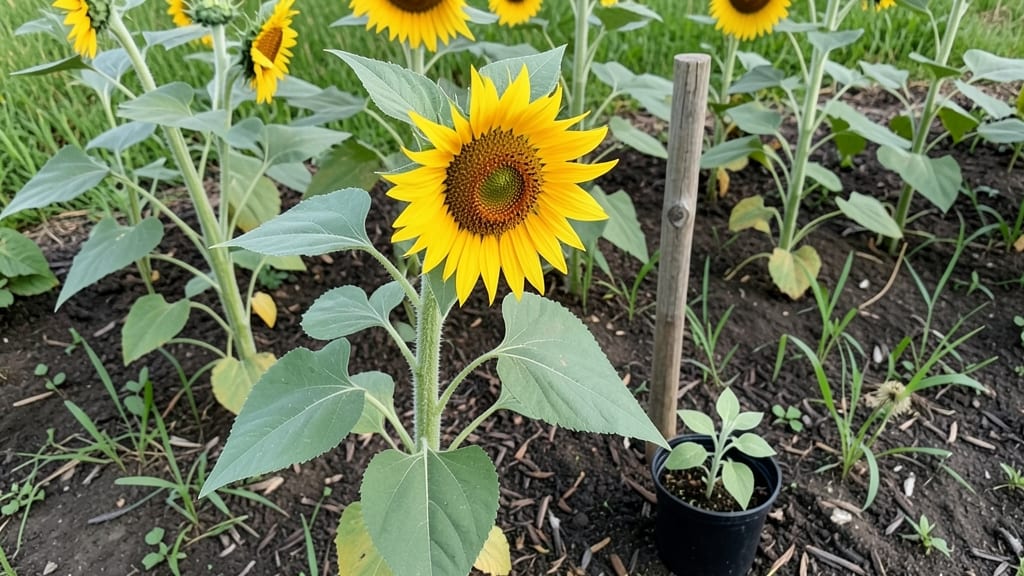
Gardens don’t always need full sun—many plants thrive in partial shade, especially in hot climates or shaded areas, where they benefit from filtered light and reduced heat stress. Sunlight needs vary by plant type, with some requiring 6+ hours of direct light, while others grow best with 3-4 hours or dappled shade.
Partial shade isn’t just about surviving with less light—it’s about creating the right conditions for certain plants to flourish. 🌿 Many perennials and shrubs actually prefer 3-5 hours of morning sun combined with afternoon shade, which prevents leaf scorch in hotter climates.
This setup also conserves moisture, making shade gardens particularly low-maintenance in dry regions. The key is matching plant species to their natural light preferences rather than forcing them into full sun exposure.
For example, ferns and hostas thrive under tree canopies where light is diffused, while impatiens bloom beautifully with just a few hours of indirect sunlight. Understanding these nuances lets you design a lush garden even in areas with limited direct light exposure.
💡 In This Article
- How Sunlight Affects Plant Growth and Health
- Best Plants for Shaded Garden Spaces
How sunlight affects plant growth and health
Sunlight drives photosynthesis—the process where plants convert light energy into chemical energy to fuel growth. Chlorophyll absorbs primarily blue (400-500nm) and red (600-700nm) wavelengths, while green light (500-600nm) gets reflected, which is why leaves appear green.
In full sun, plants receive 1,000-2,000 foot-candles of light intensity, while partial shade drops this to 100-500 foot-candles, creating a gentler energy environment. 💫
The light spectrum matters more than you might think. Blue light promotes leafy growth and compact stems, while red light stimulates flowering and fruiting. UV light (300-400nm) triggers protective compounds like flavonoids, which give plants their vibrant colors and help them withstand stress.
In partial shade, plants often develop broader leaves to capture more diffuse light, while sun-loving species grow narrower leaves to reduce water loss from direct exposure.
Shade reduces water loss through transpiration control—the process where plants release moisture through leaf pores. In full sun, plants can lose up to 90% of their water intake through transpiration, while shaded plants conserve moisture more efficiently.
This is why many tropical plants thrive in dappled light—their roots stay cooler, and they require less frequent watering. The trade-off? Shade-loving plants often grow slower because their energy production is limited by lower light availability.
Root systems also adapt dramatically. Plants in full sun develop deeper, more extensive roots to access water and nutrients, while shaded plants grow shallower, denser root networks near the surface where organic matter accumulates.
This explains why some shade plants (like ferns) can survive with minimal care—they're efficient at capturing nutrients in their immediate environment. The balance between light and root development is what determines whether a plant will thrive or struggle.
Consider the classic example of hostas—these shade darlings produce their energy primarily through low-light photosynthesis, which is why they stay lush and green under trees. Meanwhile, sun-loving tomatoes need full-spectrum light to develop their signature sweetness and vibrant color.
The difference lies in their evolutionary adaptations: shade plants prioritize survival in dim conditions, while sun plants maximize growth potential when light is abundant. 🌱
What most gardeners overlook is how light quality changes throughout the day. Morning light is cooler and richer in blue wavelengths, while afternoon sun contains more red light and heat.
This is why many plants prefer morning sun with afternoon shade—it gives them the best of both worlds: energy production without heat stress. Understanding these nuances lets you position plants strategically for optimal health.