
Tools
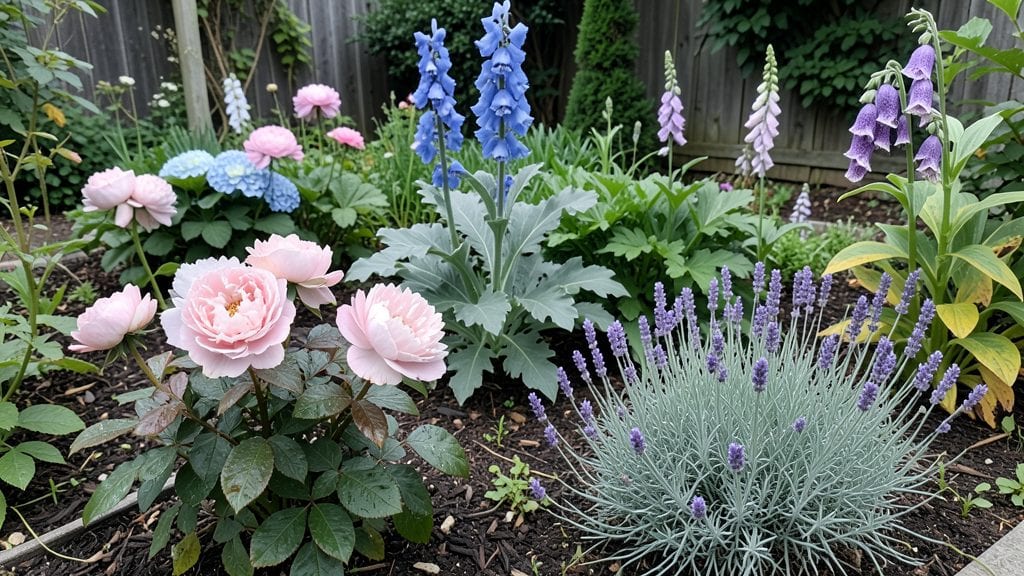
English garden pictures aren’t just pretty—they’re a love letter to relaxed, overflowing beauty. 🌿 I still remember the first time I walked through a real English garden, where roses tumbled over stone walls and lavender drifted into wildflower meadows.
That’s the magic you can bring to your own space, even in a small backyard or containers on a patio.
The key isn’t perfection—it’s layers. Think soft-edged borders spilling with peonies and delphiniums, arbor-covered walkways draped in clematis, and mixed-height hedges that create cozy nooks. You don’t need acres; even a 6-foot-wide border packed with cottage favorites (roses, foxgloves, and salvia) delivers that signature English charm.
The best part? It thrives on imperfection—wild stems, mismatched pots, and a little overgrowth all add character.
What you’ll end up with is a garden that feels like a storybook, where every corner invites you to linger. The scent of roses and thyme on a summer afternoon, the way butterflies hover over coneflowers, the way morning light filters through apple blossoms—it’s all designed to slow you down.
And the best news? This style works year-round, from spring’s lush greens to winter’s bare branches dusted with frost.
Whether you’re dreaming of a formal knot garden or a wildflower meadow, the principles stay the same: romantic, layered, and full of life. Let’s bring that timeless look to your garden—one whimsical detail at a time.
📚 In This Guide
- What you need
- Instructions
- Tips and common mistakes
- Wrapping up and next steps
What you need
- ● Topsoil or garden soil: 10–20 cubic yards (depending on garden size; opt for well-draining, organic-rich soil).
- ● Mulch: 2–3 bags of cedar or bark chips (for pathways and borders).
- ● Gravel or pebbles: 5–10 bags (for pathways, borders, or decorative accents).
- ● Compost: 1–2 bags (to enrich soil and promote healthy plant growth).
- ● Planting containers: Varies (terracotta pots, wooden barrels, or window boxes for flexibility).
- ● Trellises or arbor frames: 2–4 (for climbing roses, clematis, or wisteria).
- ● Garden edging: 10–20 feet (metal, stone, or timber for defined borders).
- ● Paving stones or stepping stones: 10–20 pieces (for walkways).
- ● Hand trowel and garden fork: For digging and soil prep.
- ● Wheelbarrow: 1 (for hauling soil, mulch, or plants).
- ● Pruners or shears: 1 pair (for shaping plants and trimming).
- ● Rake and hoe: 1 each (for leveling soil and weeding).
- ● Measuring tape and string: For marking out layouts.
- ● Watering can or hose: With a spray nozzle for gentle watering.
- ● Garden gloves: 1 pair (to protect your hands).
- ○ Optional: A wheelbarrow dolly (for heavy materials) or a garden kneeler (for comfort).
- ● A sunny to partially shaded spot (most English garden plants thrive in 4–6 hours of sunlight).
- ● Access to a water source (hose or irrigation system).
- ● Basic knowledge of plant spacing (check labels for mature sizes!).
- ● Patience! English gardens evolve over time—embrace the cozy, lived-in look. 💡
Instructions for designing whimsical English garden layouts
Let’s bring that storybook charm to life with these time-tested techniques for cottage-style garden design.
🌿 Step 1: Define Your Garden’s "Rooms" with Natural Boundaries
English gardens thrive on intimate spaces, so begin by dividing your area into distinct "rooms" using existing features like hedges, fences, or even a simple arbour. I like to use ornamental grasses or climbing roses along pathways to create soft, organic dividers—nothing too rigid. The goal is to encourage exploration, so keep walkways narrow (about 2-3 feet wide) to maintain that cozy, meandering feel.
Look for natural focal points like a mature tree, a stone bench, or a rustic well—these anchor each space. If your garden lacks built structures, place a few vintage-style urns or wrought-iron birdbaths to draw the eye. The key is asymmetry; English gardens feel lived-in, not manicured.
☀️ Step 2: Layer Plants for Season-Long Texture and Color
Cottage gardens rely on layered planting to create depth and interest. Start with a tall backbone of perennials like delphiniums or hollyhocks, then add mid-height plants such as lavender or peony bushes. Fill the front with low-growing annuals like pansies or sweet alyssum for a soft, trailing effect.
I always mix three types of foliage textures—fine, medium, and bold—to keep the eye engaged. For example, pair the feathery leaves of ferns with the broad petals of roses and the spiky stems of salvias. Add a few climbing plants—like clematis or jasmine—to weave through trellises or fences, creating vertical drama.
🪴 Step 3: Incorporate Whimsical Accents and Repurposed Finds
This is where the charm happens. Scatter vintage garden ornaments—like old teacups, weathered tools, or painted stones—throughout the beds. I’ve seen stunning displays using chipped china plates as plant saucers or brass candlesticks as trellis supports. Even a mismatched collection of terracotta pots in varying sizes adds character.
Don’t overlook the power of unexpected heights—tall glass bottles filled with wildflowers or stacked slate tiles as mini planters create visual intrigue. The trick is to place these accents where they feel intentional, not cluttered. A single wrought-iron gate or a wooden bench with a wildflower border can become the heart of your garden.
✂️ Step 4: Maintain a "Wild but Controlled" Vibe
English gardens are never perfectly neat—there’s always a touch of deliberate messiness. Let some plants self-seed (like foxgloves or poppies) and cluster naturally. I avoid shearing perennials back too aggressively in early spring; instead, I trim just enough to shape them while leaving seed heads for winter interest.
Mulch with straw or shredded bark—never dyed black mulch—to keep beds looking natural. Water deeply but infrequently, encouraging deep root growth that thrives in the garden’s informal style. The result? A space that feels timeless, inviting, and full of quiet beauty.
Tips & tricks for perfect English garden layouts
Creating a storybook English garden isn't about rigid rules—it's about embracing the art of organic design. Here are the subtle details that transform a good garden into a truly enchanting one.
Natural Boundaries: The 2-3 foot walkways in Step 1 aren't just measurements—they're about creating that intimate, wandering feel. I've found that adding a few stepping stones here and there makes the paths feel more organic. For a true cottage garden vibe, try using irregularly shaped stones rather than uniform pavers. The key is to make the paths feel like an invitation to explore rather than a structured route.
Plant Layering Secret: In Step 2, when mixing foliage textures, I always think about the "rule of thirds" visually. Place your tallest plants (like delphiniums) near the back or edges, then work your way down to medium and low plants toward the front. This creates that magical layered look that makes English gardens feel so lush. Don't be afraid to let some plants spill over the edges—it's all part of the charm.
Whimsical Accent Placement: The most magical gardens I've seen use the "odd number rule" for accents in Step 3. Group three vintage items together rather than scattering singles—it creates visual harmony. I've also noticed that placing accents at unexpected heights (like hanging teacups from branches) adds that extra layer of whimsy. Just remember: less is more. One perfectly placed vintage item can be more impactful than several poorly placed ones.
Maintenance Mindset: The "wild but controlled" approach in Step 4 is where many gardeners struggle. I've learned to think of maintenance as an ongoing conversation with the garden. Rather than shearing everything back in spring, I leave some seed heads and let nature take its course. This creates texture and interest throughout the year. The secret is to step back occasionally and ask: "Does this still feel intentional?"
Pro Tips for English Garden Pictures
- Creating a storybook English garden isn't about rigid rules—it's about embracing the art of organic design.
- Natural Boundaries: The 2-3 foot walkways in Step 1 aren't just measurements—they're about creating that intimate, wandering feel.
- Plant Layering Secret: In Step 2, when mixing foliage textures, I always think about the "rule of thirds" visually.
Frequently asked questions
Got questions about creating your own English garden? Here are some of the most common ones—and their answers—to help you bring cottage-chic charm to life!
What are the key elements of an English garden?
Think romantic and layered! Classic English gardens feature a mix of perennials, roses, climbing plants (like clematis or wisteria), and cottage-style flowers like lavender, peonies, and foxgloves. Don’t forget whimsical touches like arbors, trellises, and winding paths—plus a cozy seating area or birdbath for that timeless feel.
When is the best time to plant an English garden?
For spring-blooming plants (like tulips or daffodils), plant bulbs in fall (September–November). For perennials, early spring (March–April) or fall (September–October) works best. Roses and shrubs thrive when planted in late fall or early spring, while annuals can go in after the last frost (typically May).
Can I create an English garden in a small space?
Vertical gardening
is your friend—use tiered planters, hanging baskets, or wall-mounted shelves for climbing plants. Opt for compact perennials (like miniature roses or dwarf hydrangeas) and mix in containers for flexibility. Even a balcony or patio can become a charming English nook with the right layout!
How do I keep my English garden looking lush all season?
Start with healthy soil (amend with compost!) and mulch regularly to retain moisture. Deadhead spent blooms to encourage more flowers, and prune perennials in early spring. Water deeply but infrequently (early morning is best) to avoid fungal issues. Seasonal swaps—like replacing spring bulbs with fall mums—keep color going year-round.
Where can I find affordable English garden plants and decor?
Check local nurseries for sales in spring/fall or plant swaps in your community. Online marketplaces (Etsy, eBay) often have budget-friendly vintage garden decor, while big-box stores (Home Depot, Lowe’s) carry affordable perennials and containers. DIY touches—like painting old pots or upcycling materials—stretch your budget further!
Wrapping up and next steps
From winding pathways to romantic flower beds, English garden pictures prove that charm lies in the details. Whether you’re dreaming of a cozy cottage retreat or simply love the whimsy of cottage-chic design, these layouts offer endless inspiration.
The key? Start small—even a single planter or a patch of lavender can bring that timeless English feel to your space.
Ready to transform your outdoor oasis? Sketch a simple layout, gather a few key materials, and let your creativity bloom! 🌸 For more ideas, explore our garden design tools or share your progress with the community—we’d love to see your cottage-chic vision come to life!